
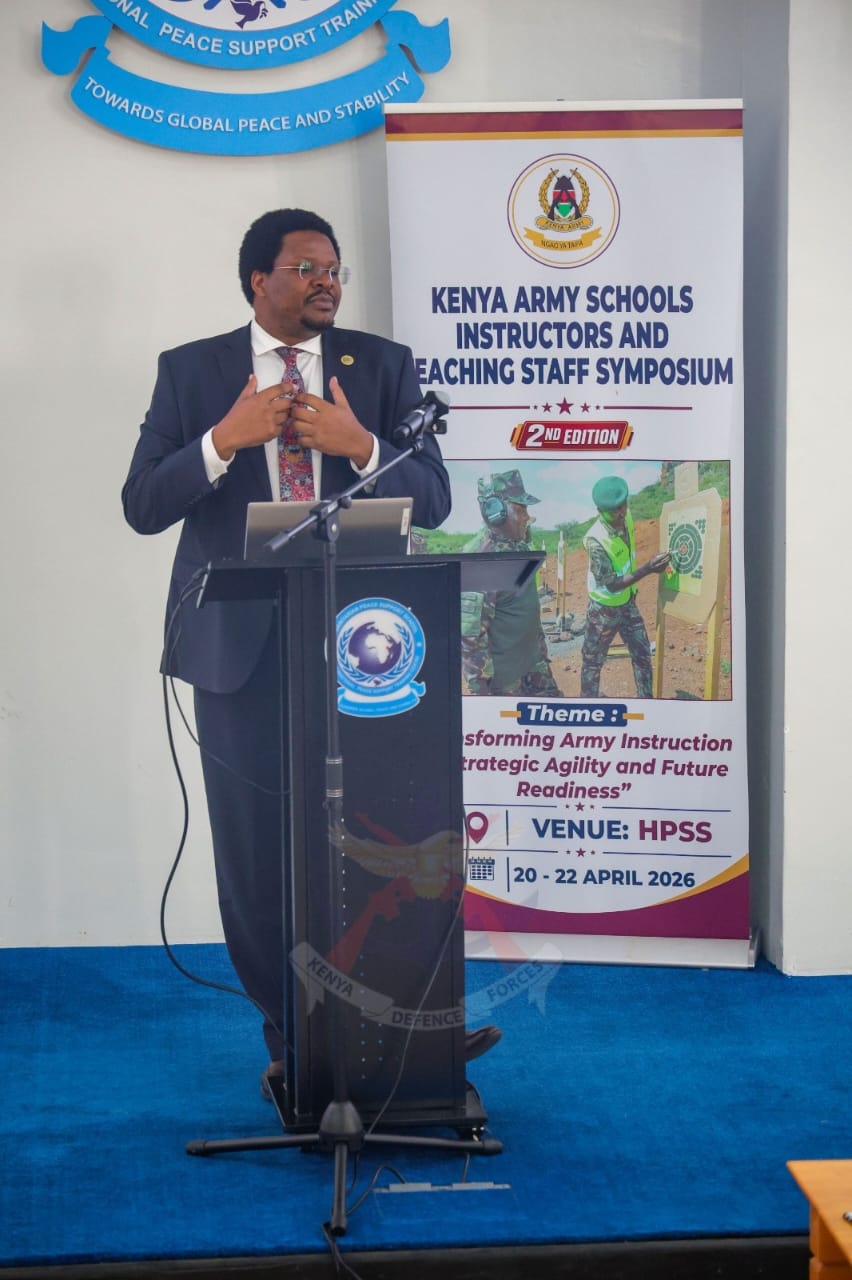
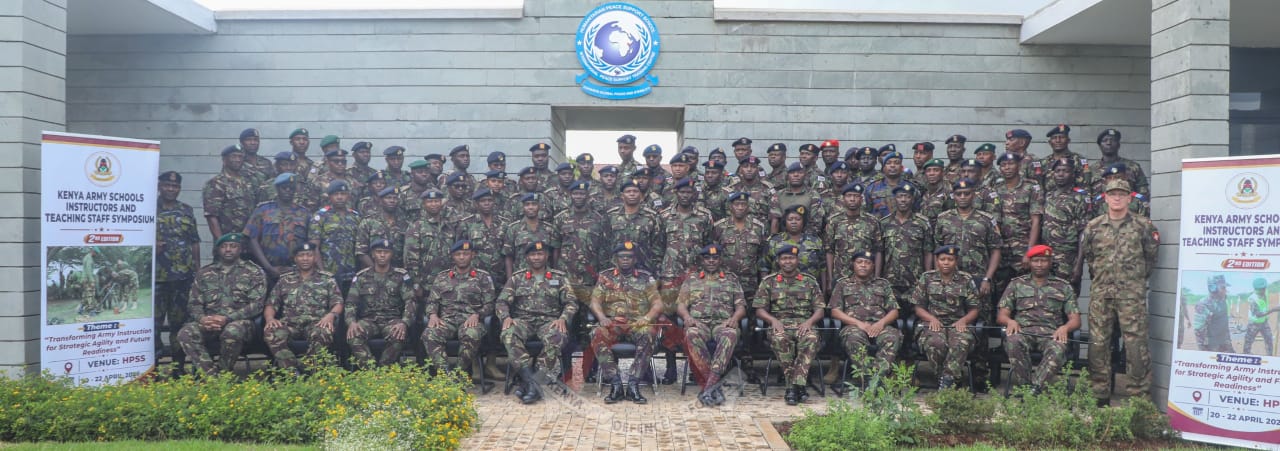
The Kenya Army is sharpening its edge through deliberate investment in modernised training, as instructors and teaching staff convened for the second edition of the Kenya Army Schools Instructors and Teaching Staff Symposium. Held from 20–22 April 2026 at the Humanitarian Peace Support School (HPSS), the forum underscored the critical role of adaptive learning in building a responsive and future-ready force.
Anchored on the theme “Transforming Army Instruction for Strategic Agility and Future Readiness,” the symposium brought together training personnel from across Kenya Army institutions to re-evaluate instructional methods in light of evolving security dynamics. The engagement reflected a growing recognition that contemporary military effectiveness is rooted not only in equipment and manpower, but also in the quality, relevance, and agility of training systems.
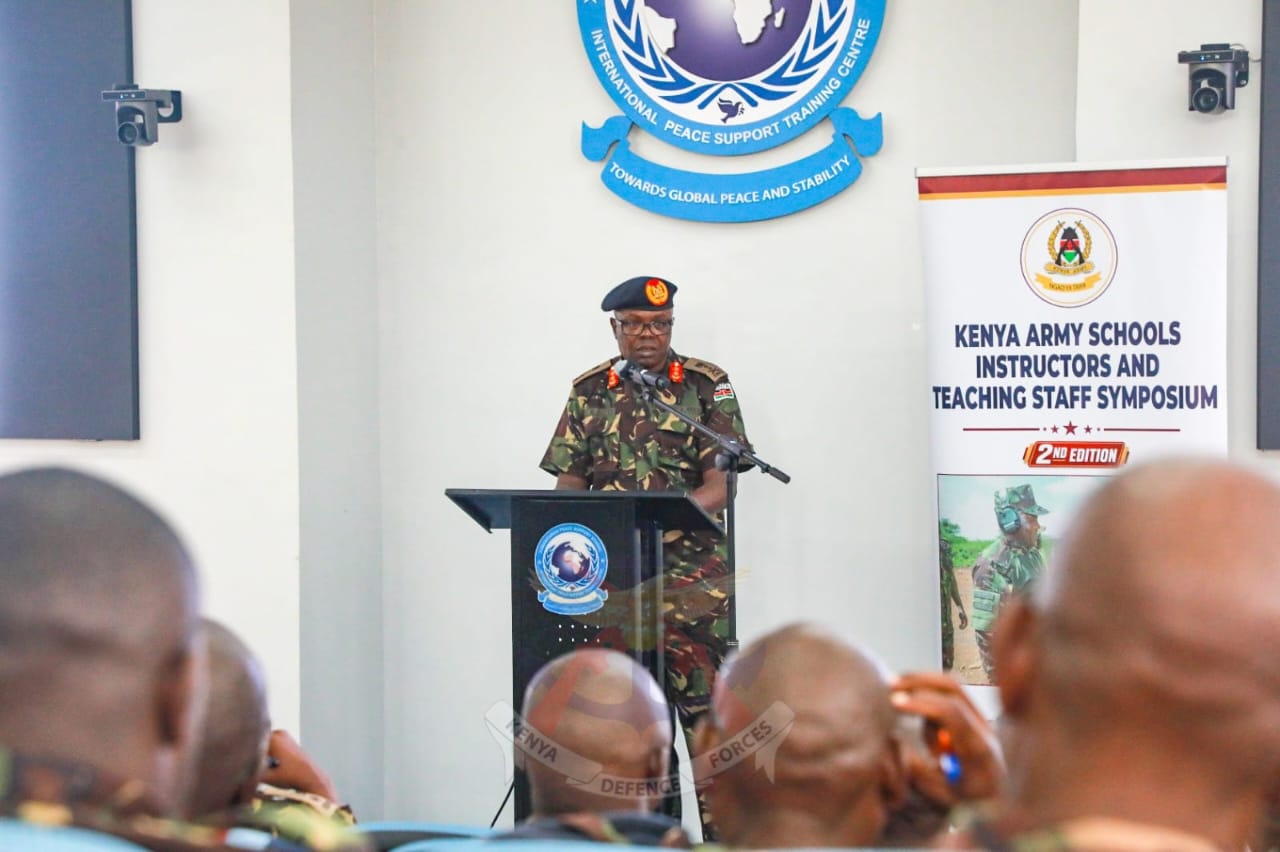
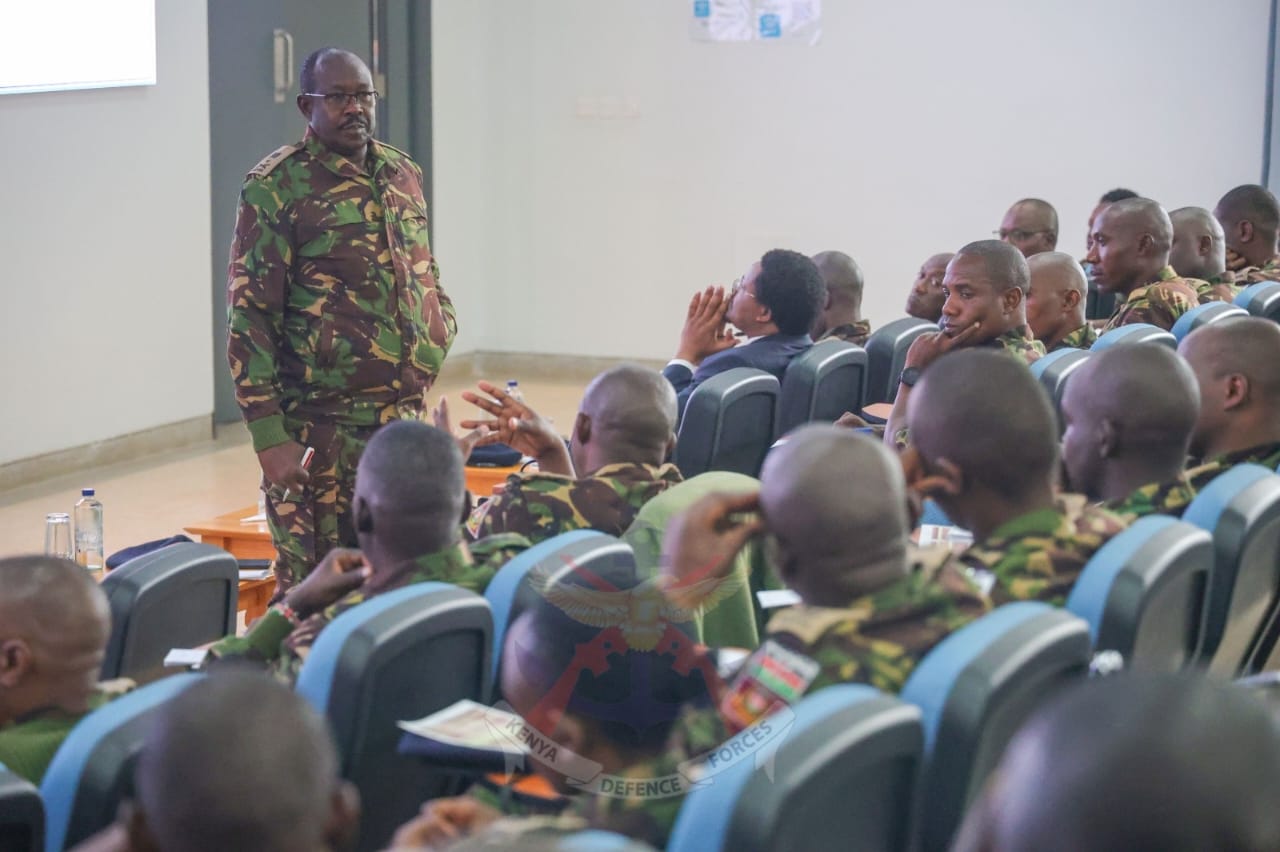
Opening the symposium, General Officer Commanding Eastern Command, Major General Luka Kutto, highlighted the direct link between training and operational success. He emphasized that aligning instructional approaches with emerging operational realities is essential to maintaining battlefield effectiveness, noting that today’s training standards ultimately shape tomorrow’s mission outcomes.
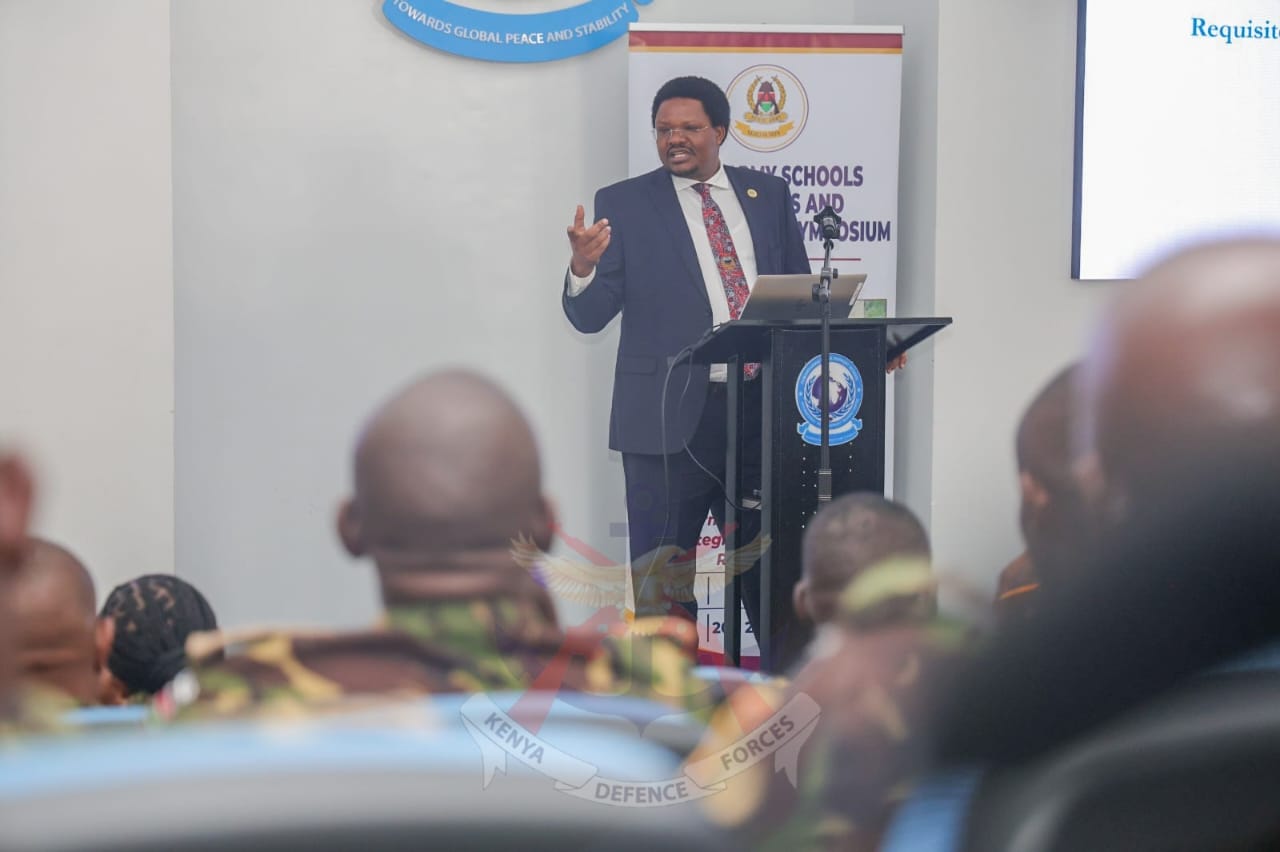
Deliberations focused on integrating technology into military instruction, ensuring that training methodologies keep pace with rapid advancements in the modern battlespace. Participants explored ways to incorporate lessons learned from ongoing operations into training curricula, while also strengthening adaptive leadership competencies among instructors—an increasingly vital attribute in complex and unpredictable operational environments.
The symposium also addressed the need for standardisation across Kenya Army training institutions, aimed at enhancing cohesion, interoperability, and consistency in doctrine delivery. By fostering collaboration among instructors and promoting innovation in curriculum design, the forum sought to build a unified training framework capable of supporting diverse operational requirements.
Equally emphasized was the importance of continuous professional development for instructors, ensuring they remain equipped with the skills and knowledge necessary to train a dynamic and capable force. This approach aligns with broader efforts to institutionalise excellence in military education and reinforce a culture of learning within the Kenya Army.
The outcomes of the symposium are expected to significantly enhance instructional quality, strengthen operational readiness, and bolster the Army’s capacity to respond effectively to both national and regional security challenges.
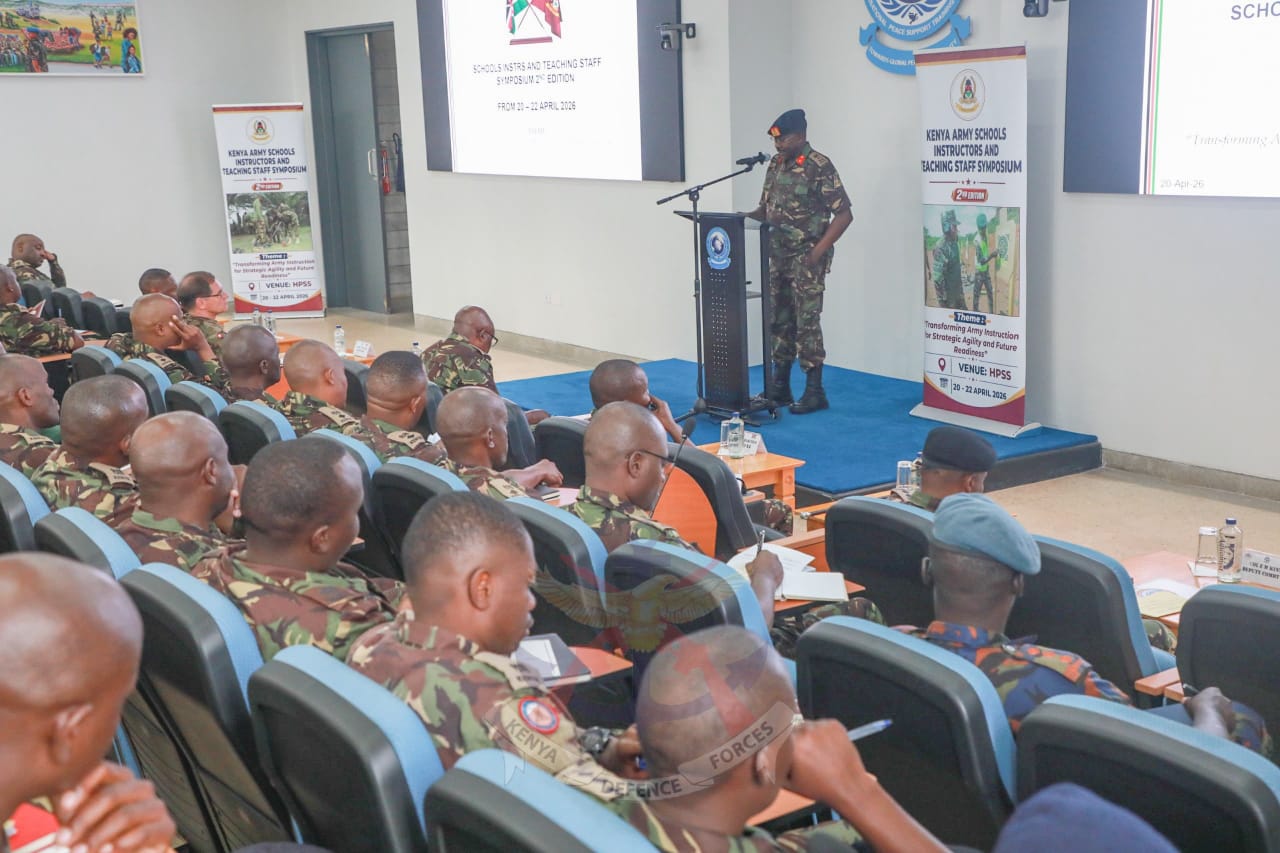
Senior officers, officers and service members, attended the event, demonstrating a unified commitment to transforming military training as a cornerstone of strategic readiness.
 l
l
Add Comment