
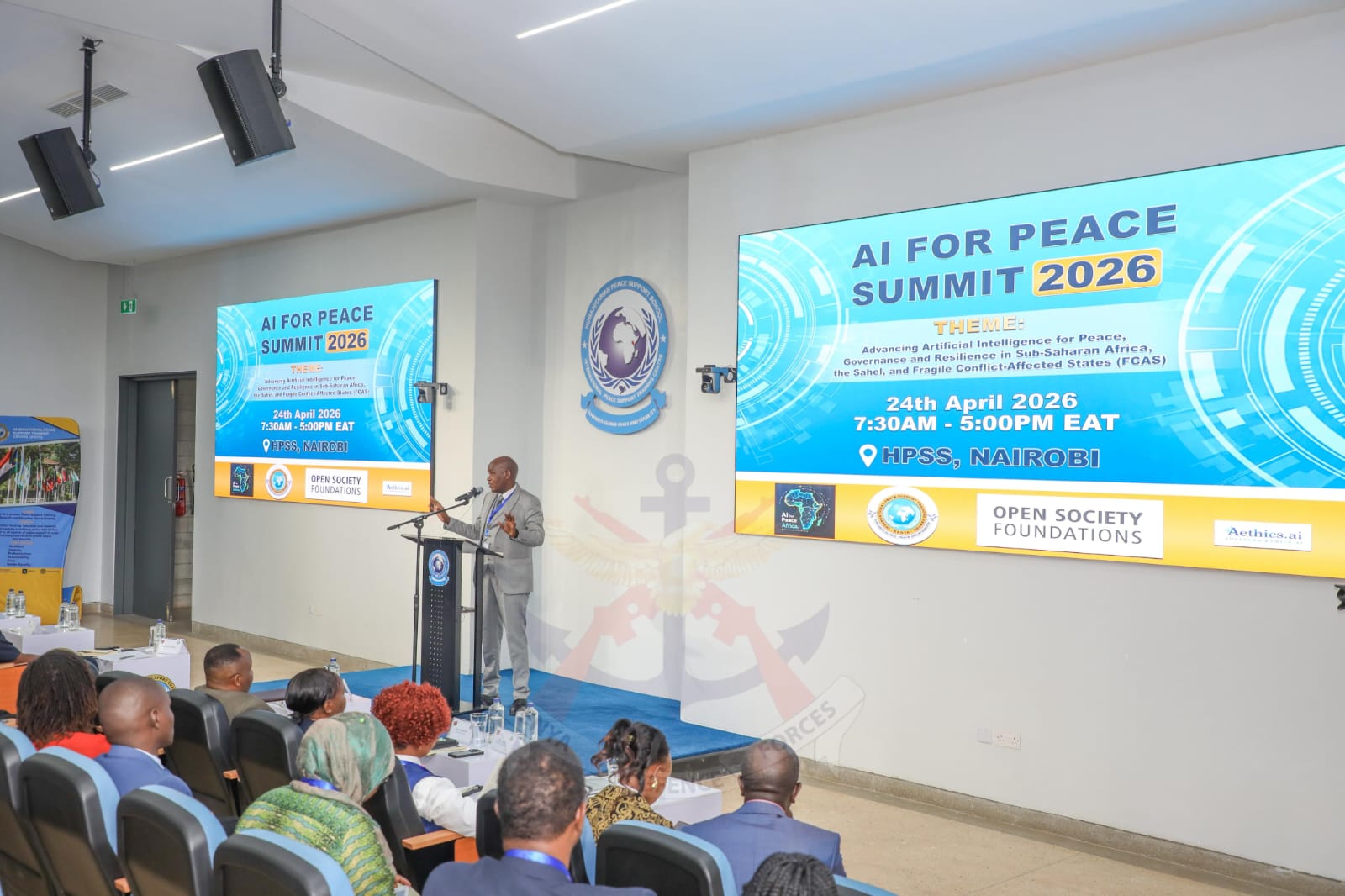
A growing momentum is taking shape across the continent, positioning Africa not merely as a consumer of emerging technologies, but as a decisive architect of Artificial Intelligence (AI) solutions tailored to its unique realities. This shift took centre stage at the recent Artificial Intelligence for Peace Summit hosted by the Humanitarian Peace Support School, where stakeholders rallied around the need for African-driven innovation in advancing peace, governance, and resilience.
Bringing together policymakers, security experts, innovators, and peace practitioners, the summit underscored the urgency of developing AI systems that are contextually relevant, ethically grounded, and responsive to the complex challenges facing Sub-Saharan Africa, the Sahel, and Fragile and Conflict-Affected States (FCAS). Anchored on the theme “Advancing Artificial Intelligence for Peace, Governance and Resilience,” the forum highlighted a paradigm shift from reactive peacekeeping toward proactive, technology-enabled peacebuilding.
Officiating the summit on behalf of the Chief of the Defence Forces, Major General John Nkoimo, General Officer Commanding Central Command, emphasized the transformative potential of AI in modern security operations. He noted that AI can significantly enhance situational awareness, improve inter-agency coordination, and enable predictive, data-driven responses in increasingly complex operational environments. At the same time, he stressed that its adoption must reinforce transparency, accountability, and efficient service delivery, particularly in fragile regions.
A central thread throughout the discussions was the domestication of AI—developing homegrown solutions that reflect Africa’s socio-cultural context and peacebuilding priorities. Participants called for stronger investment in local innovation ecosystems, highlighting that sustainable peace will increasingly depend on technologies designed with African realities in mind.
The summit also explored critical intersections between AI and governance, including its application in democratic processes, electoral integrity, and human rights protection. Participants raised concern over existing gaps in regulatory and policy frameworks, noting that without robust governance structures, the deployment of AI risks outpacing the safeguards necessary to ensure its responsible use.
Emerging security dimensions featured prominently, with discussions examining AI’s role in counter-terrorism, surveillance, drone operations, and early warning systems for conflict prevention. There was a strong emphasis on enhancing AI governance literacy within military institutions to ensure ethical integration into defence operations and training frameworks.
Delivering the keynote address, Fred Ngoga, highlighted the importance of ethical AI deployment anchored in human rights, public trust, and contextual relevance. He further underscored the growing significance of AI diplomacy in strengthening international cooperation and advancing public diplomacy efforts across the continent.
Participants also stressed the need for sustained investment in digital infrastructure, capacity building, and financing mechanisms to support AI adoption at scale. They cautioned that without deliberate policy direction and safeguards, the risks associated with AI—including misuse and inequitable access—could undermine its potential to foster peace and stability.
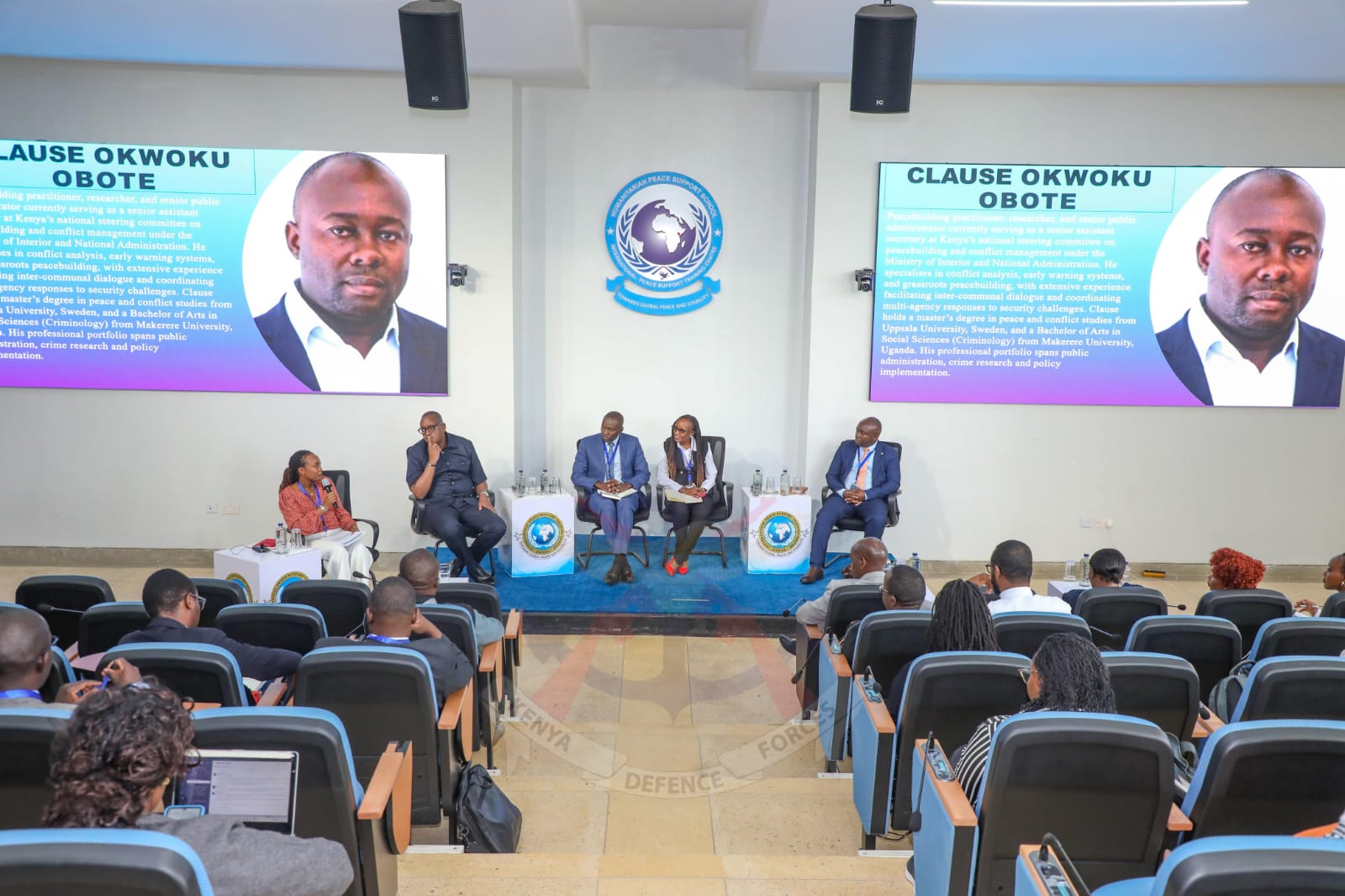
Interactive roundtable sessions provided a platform for deeper engagement, focusing on AI and social media, emerging innovations, and financing models for AI-driven peace initiatives. These exchanges reinforced the importance of multi-sectoral collaboration in unlocking the full potential of AI for societal good.
As the summit concluded, a clear message emerged: Africa’s future in AI must be shaped by Africans themselves. By fostering strategic partnerships, strengthening governance frameworks, and investing in homegrown innovation, the continent is positioning AI not just as a technological tool, but as a strategic enabler for sustainable peace, effective governance, and long-term resilience.
Add Comment