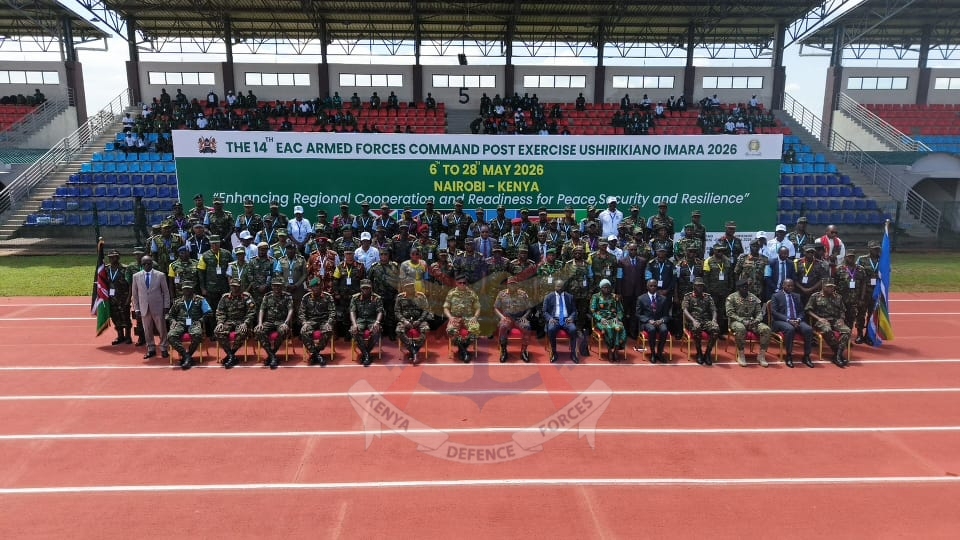
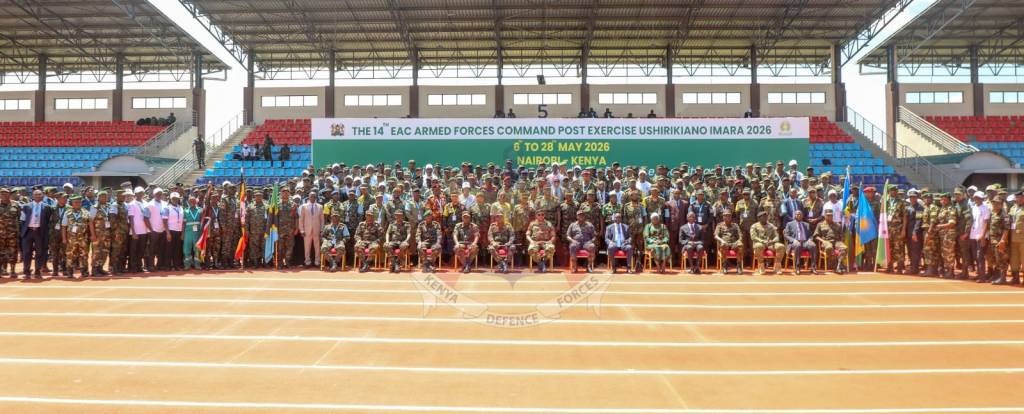
As security threats across East Africa grow increasingly complex and interconnected, no single nation can effectively confront them in isolation. From terrorism and piracy to transnational crime and natural disasters, the region’s evolving risk landscape demands a coordinated, multinational response built on trust, interoperability and shared preparedness. It is within this strategic context that the 14th East African Community (EAC) Armed Forces Command Post Exercise Ushirikiano Imara 2026 has convened military, police and civilian participants from across EAC partner states in a unified effort to strengthen collective security and regional resilience.
The multinational exercise is designed to enhance joint operational capability in key areas including Peace Support Operations, Counter Terrorism, Counter Piracy and Disaster Management. Through command post drills, coordinated training and scenario-based simulations, the exercise seeks to sharpen regional response mechanisms while fostering seamless collaboration among participating institutions.
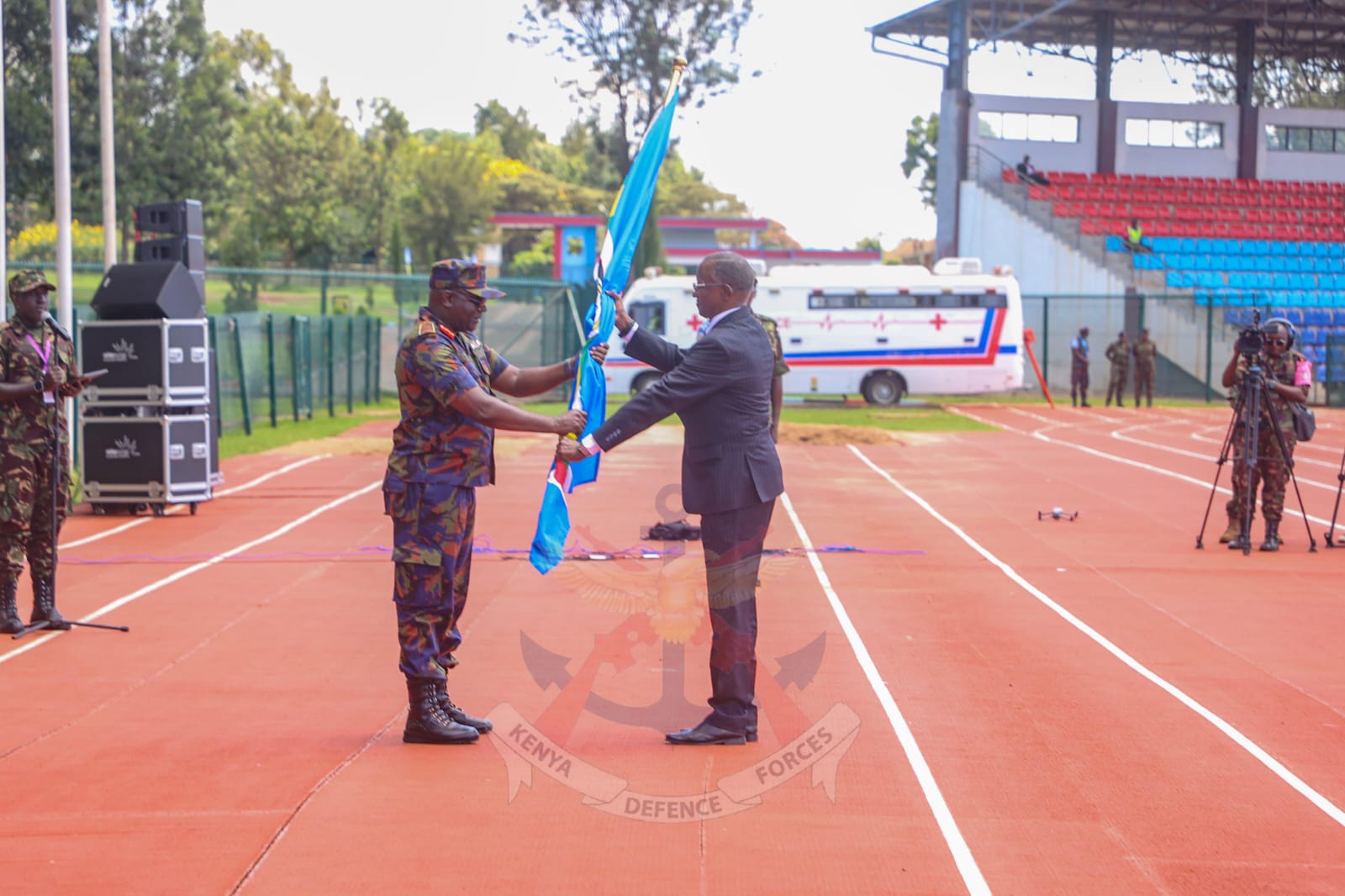
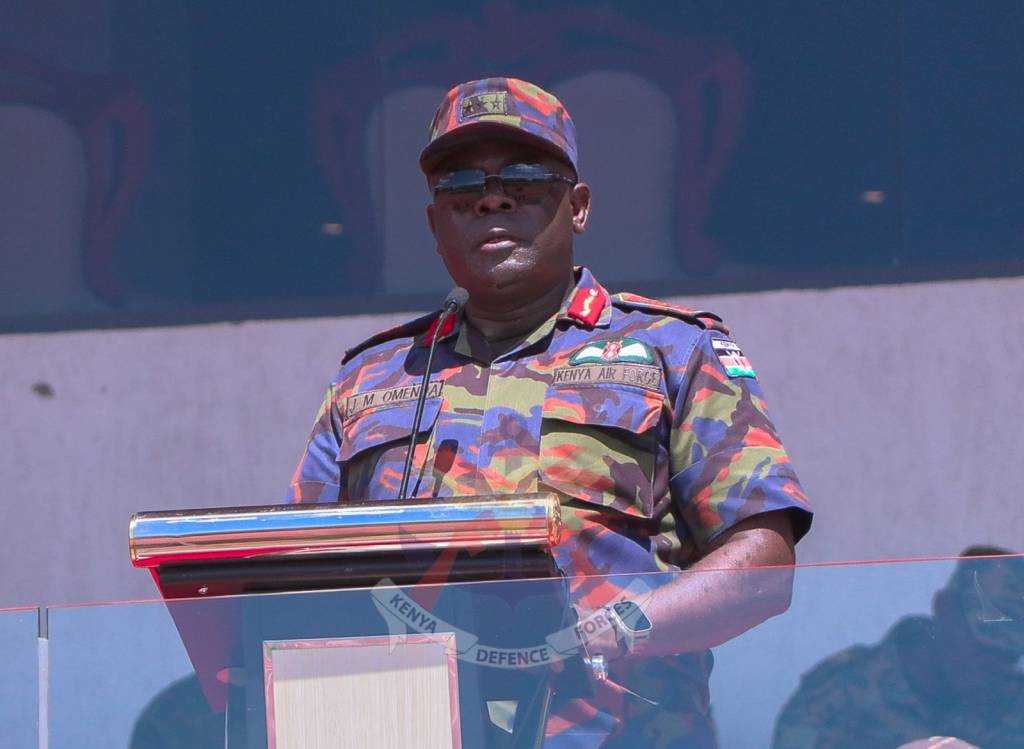
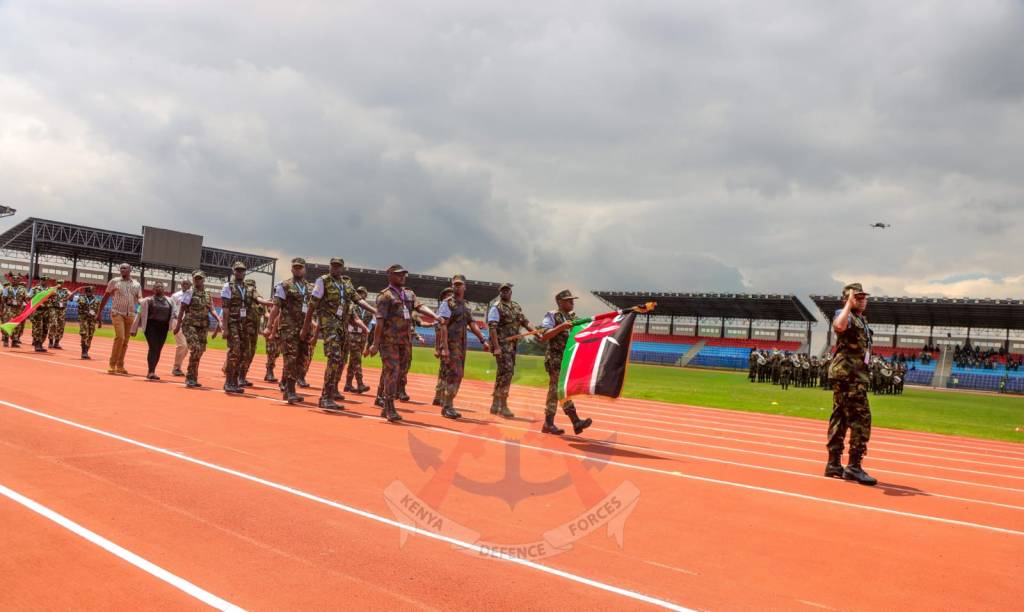
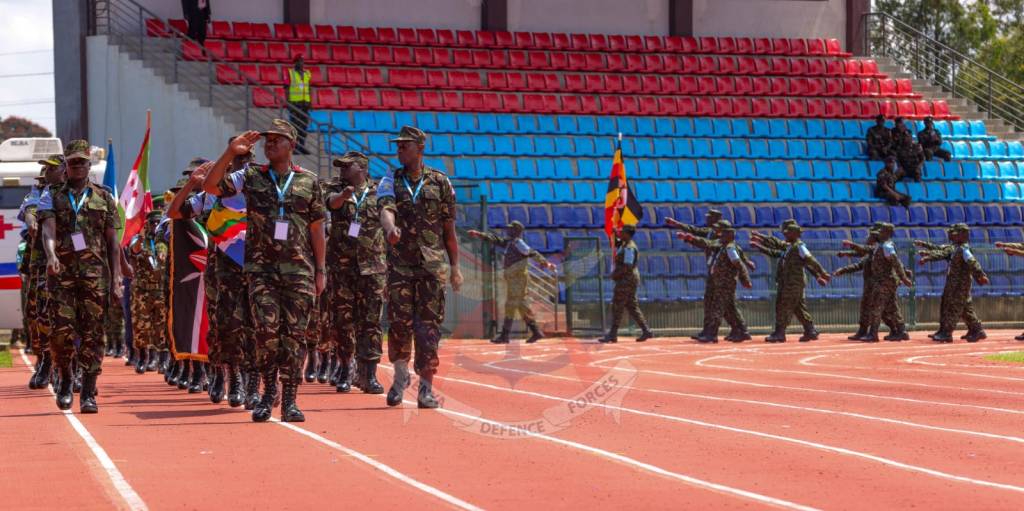
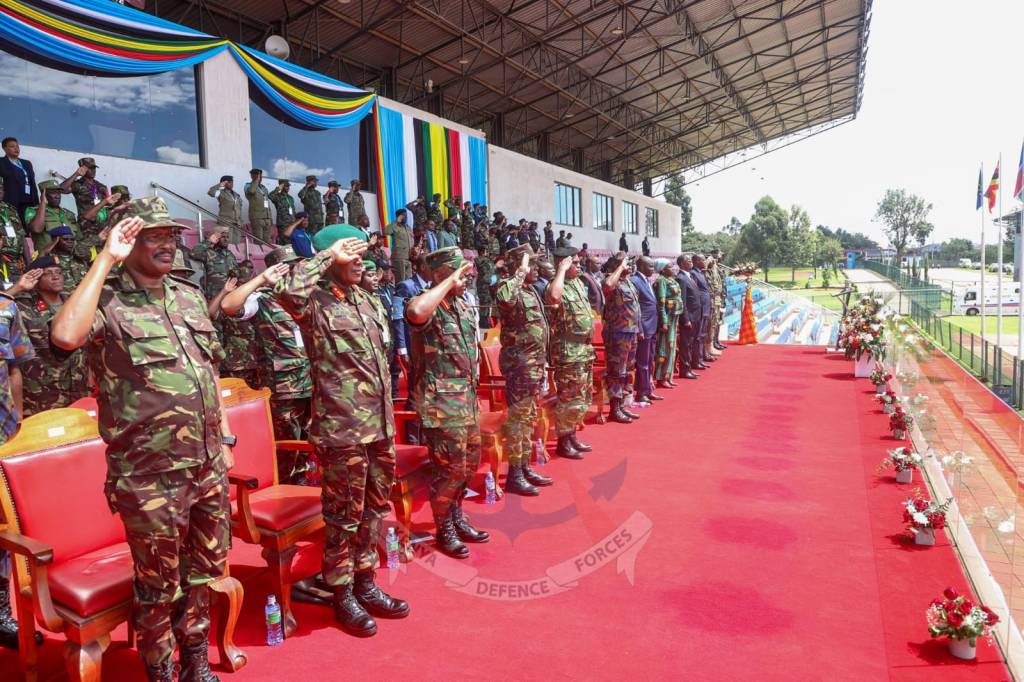
The exercise was officially launched at the Ulinzi Sports Complex in Lang’ata, Nairobi, by Vice Chief of the Defence Forces (VCDF), Lieutenant General John Omenda, in a ceremony marked by the symbolic handover of the EAC flag—an enduring representation of solidarity, shared responsibility and collective commitment to regional peace and stability.
Addressing participants during the opening ceremony, Lieutenant General Omenda underscored the strategic significance of regional unity in confronting emerging and persistent threats.
“Ushirikiano Imara is not only a milestone in training but also a product of collective vision and shared purpose. To overcome the challenges we face, we must stand together. Through EAC collaboration and shared commitment, we can build resilience against threats posed by criminal and terrorist groups such as Al-Shabaab and Boko Haram. No nation stands alone,” he said.
His remarks reinforced the principle that modern security challenges transcend borders and require harmonised strategies, integrated planning and sustained multinational cooperation.
Echoing this sentiment, EAC Deputy Secretary General Hon. Andrea Aguer Ariik Malueth emphasised that peace, security and unity remain foundational to the success of regional integration and sustainable development.
“Without peace, security and unity among EAC partner states, sustainable development and regional integration cannot be achieved. Our strength lies in working together, sharing timely information and building trust among our institutions to effectively respond to emerging threats facing the region,” said Hon. Malueth.
Her remarks highlighted the vital role of intelligence sharing, institutional trust and collaborative diplomacy in preserving regional stability and advancing the East African integration agenda.
Speaking on the same occasion, the General Officer Commanding Central Command (GOC CENTCOM) and Exercise Director, Major General John Nkoimo, highlighted the exercise theme, “Enhancing Regional Readiness for Peace, Security and Resilience,” noting that the exercise is specifically structured to improve coordination, preparedness and multinational operational effectiveness.
Throughout the exercise, participants will engage in a series of command post activities aimed at refining joint decision-making, strengthening interoperability and enhancing coordinated response capabilities in simulated operational scenarios.
Beyond its training objectives, Ushirikiano Imara 2026 reflects the East African Community’s broader strategic vision of a secure, stable and resilient region anchored in partnership and collective action. As threats continue to evolve, exercises of this nature remain essential in transforming regional cooperation from policy into operational readiness, ensuring that partner states are better prepared to protect their people, preserve peace and respond decisively to shared security challenges.
Add Comment