
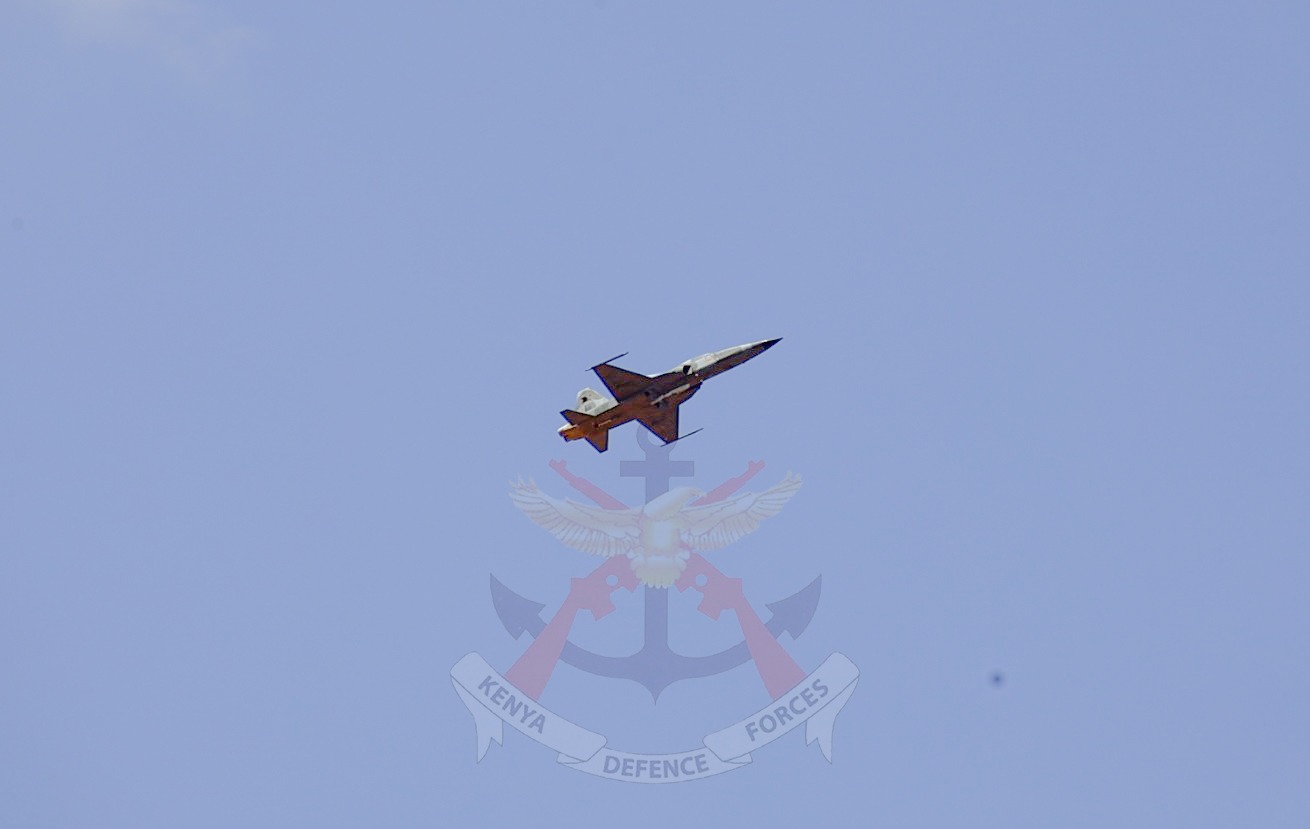
Strengthening joint combat capability depends on the ability of air and ground forces to operate as a single, integrated fighting force. As the complexity of modern military operations continues to evolve, realistic joint exercises remain essential in sharpening coordination, enhancing precision and ensuring forces can respond effectively across diverse operational environments.
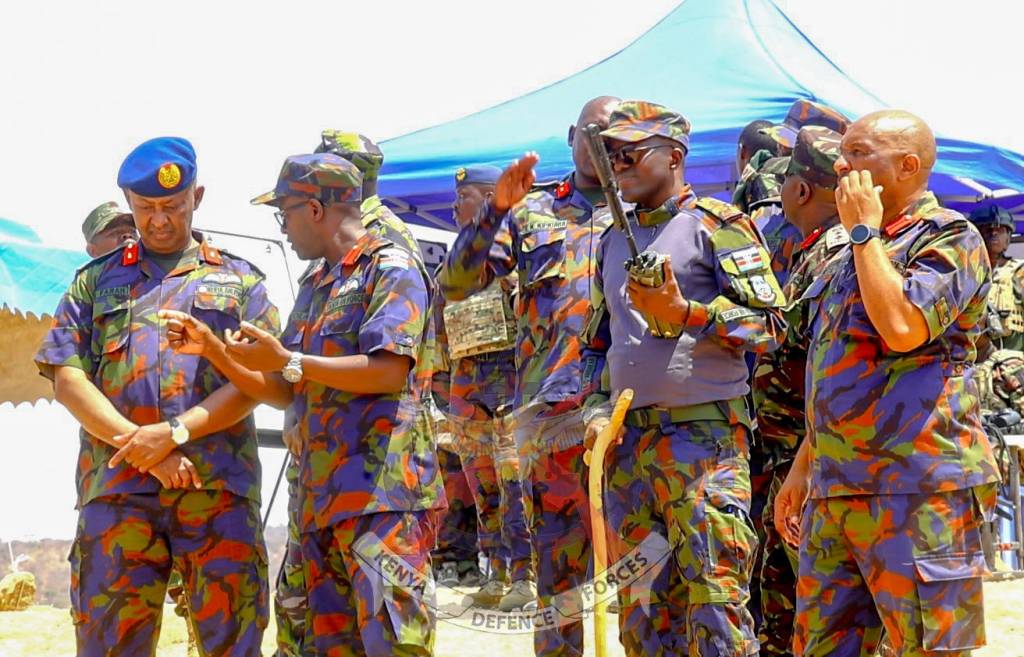
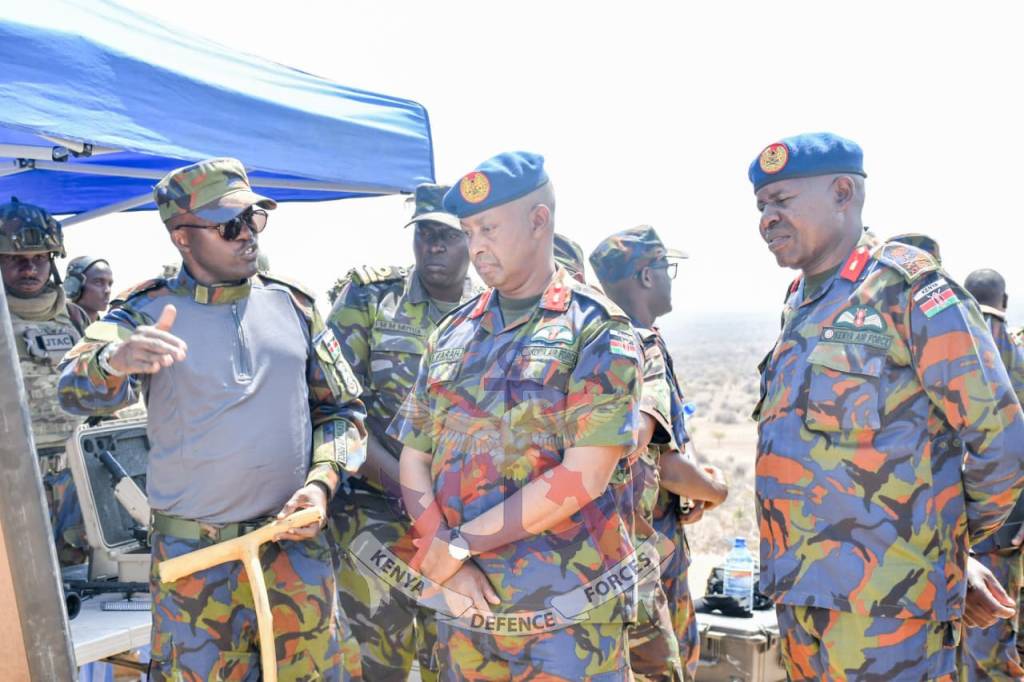
This focus on interoperability was demonstrated during the Live Fire Air to Ground Integration (AGI) Exercise 2026, which concluded with a Distinguished Visitors’ Day on 29 July 2026 at Bearing Picket Five (BP5), Samburu. The event was presided over by the Deputy Commander Kenya Air Force, Brigadier Mohamud Farah, on behalf of the Commander Kenya Air Force, Major General Bernard Waliaula, marking the successful completion of the three-day exercise.
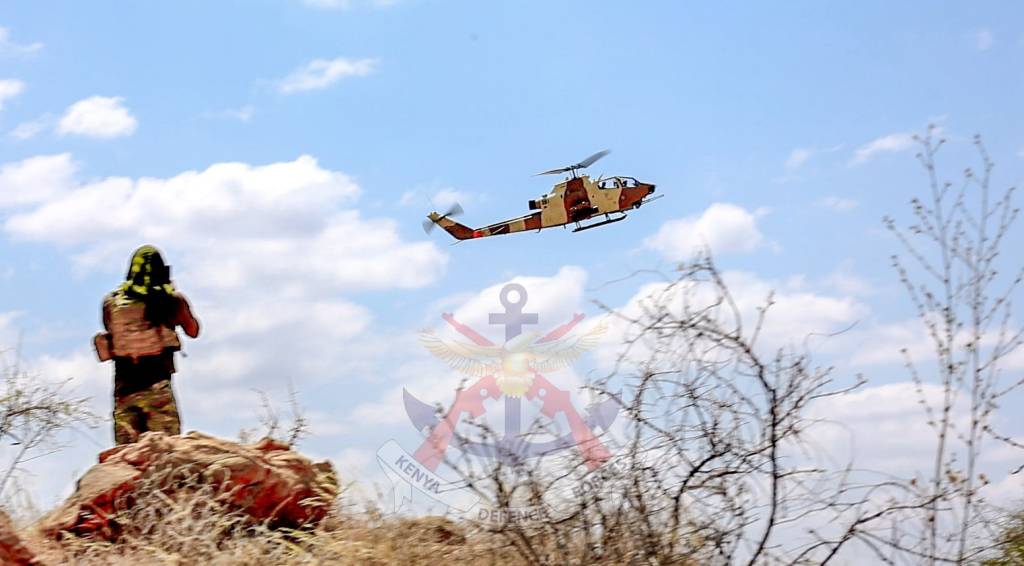
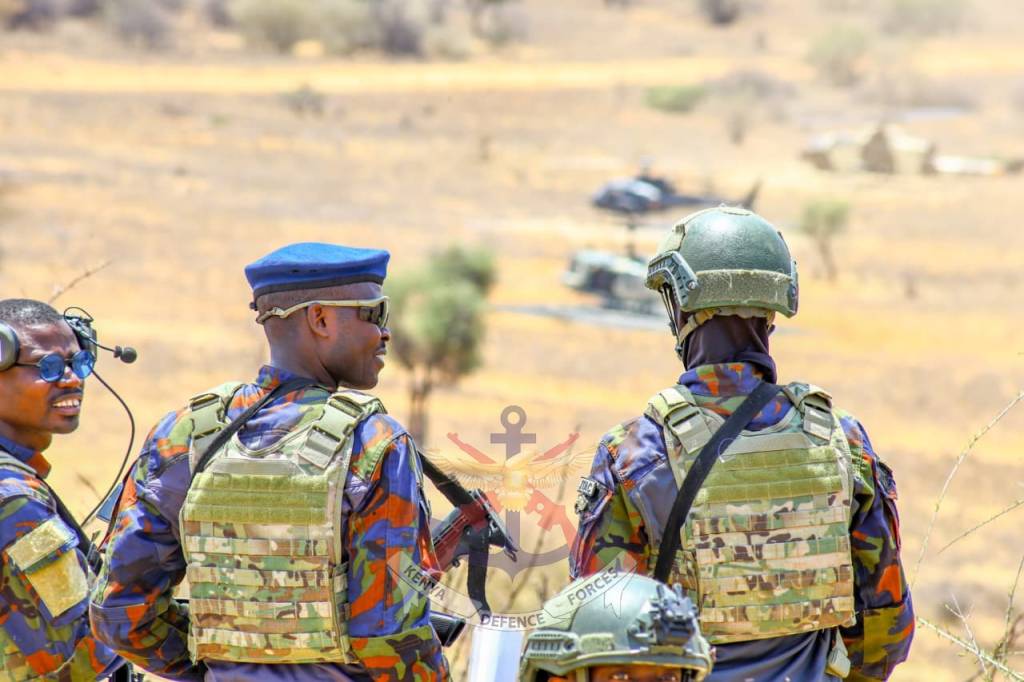
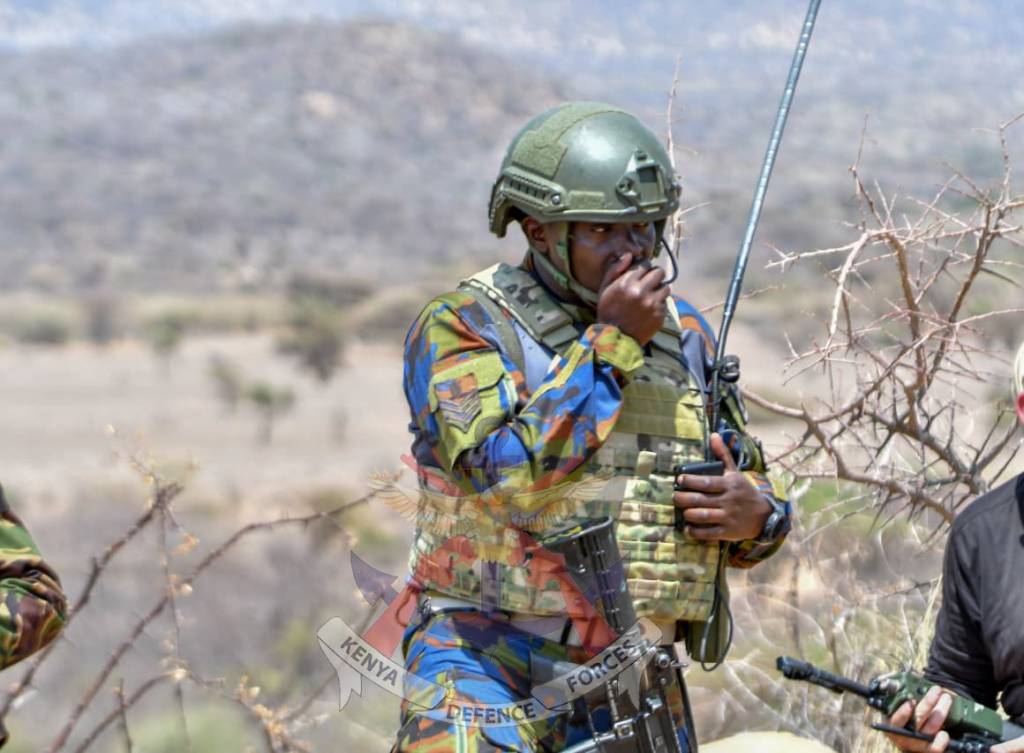
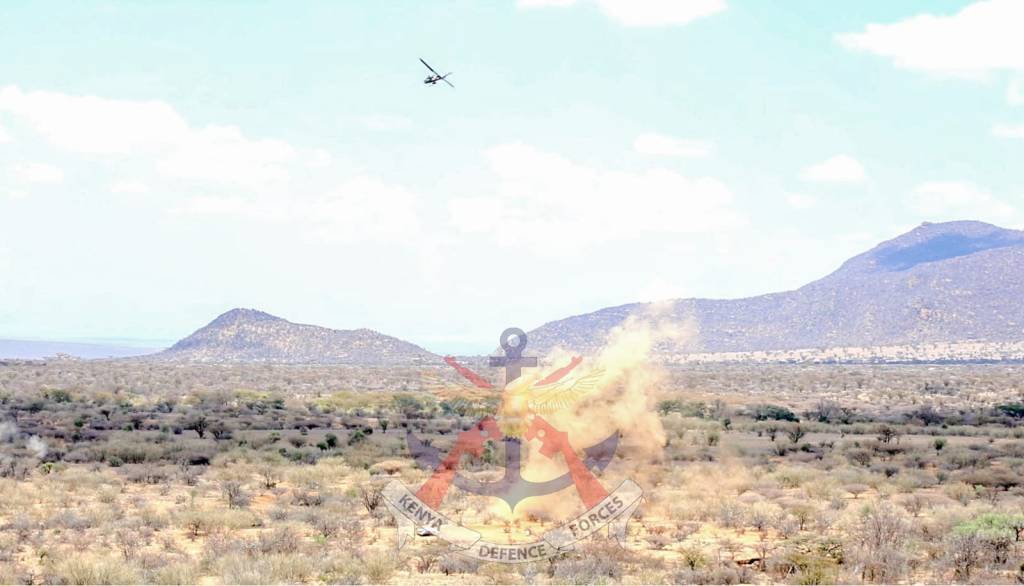
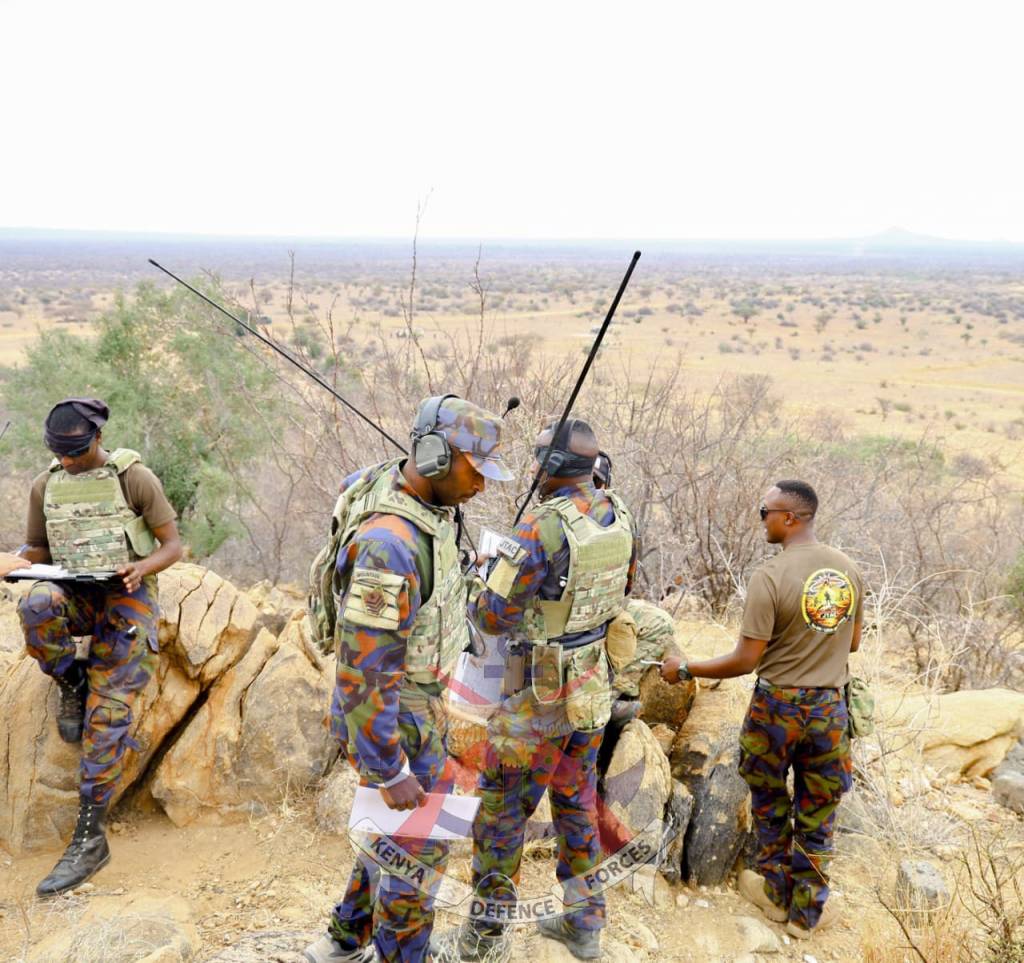
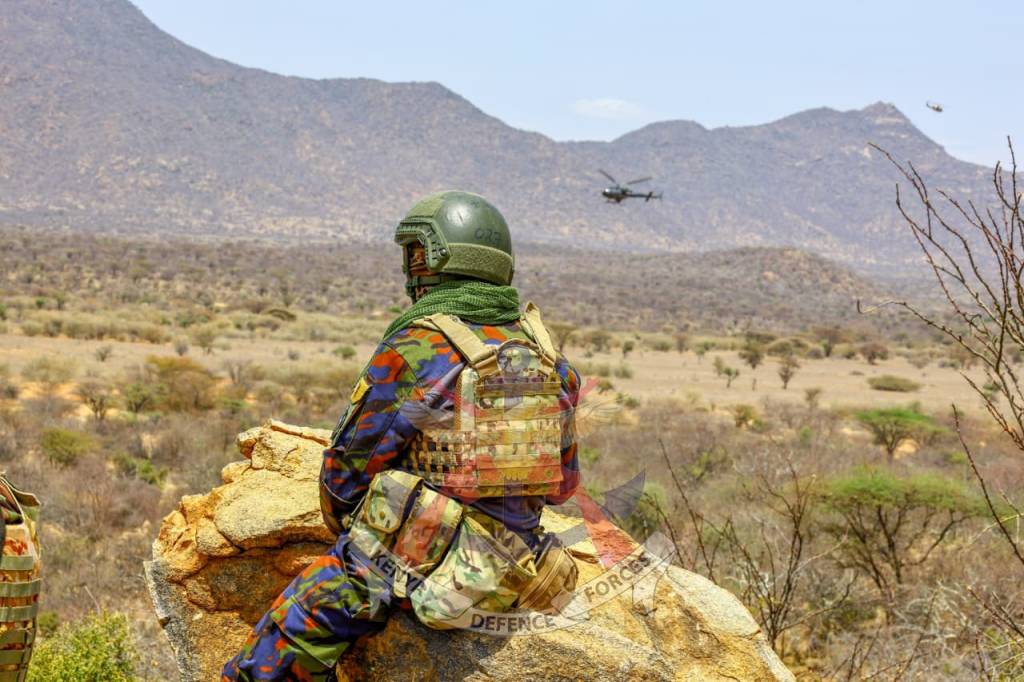
The exercise brought together Joint Terminal Attack Controllers (JTACs), fixed and rotary-wing aircraft, artillery units, Ground Liaison Officers, surveillance platforms and Combat Search and Rescue teams in a realistic operational setting designed to refine joint planning and execution. Training focused on strengthening command and control, validating JTAC procedures, improving communication between air and ground elements, and enhancing the synchronisation required to deliver timely and precise combat effects.
The integrated training provided participants with opportunities to rehearse complex battlefield scenarios where seamless coordination between aviation assets and ground manoeuvre forces is critical to mission success. Such exercises continue to build confidence among commanders and operators while reinforcing the Kenya Defence Forces’ ability to conduct joint operations with greater effectiveness and agility.
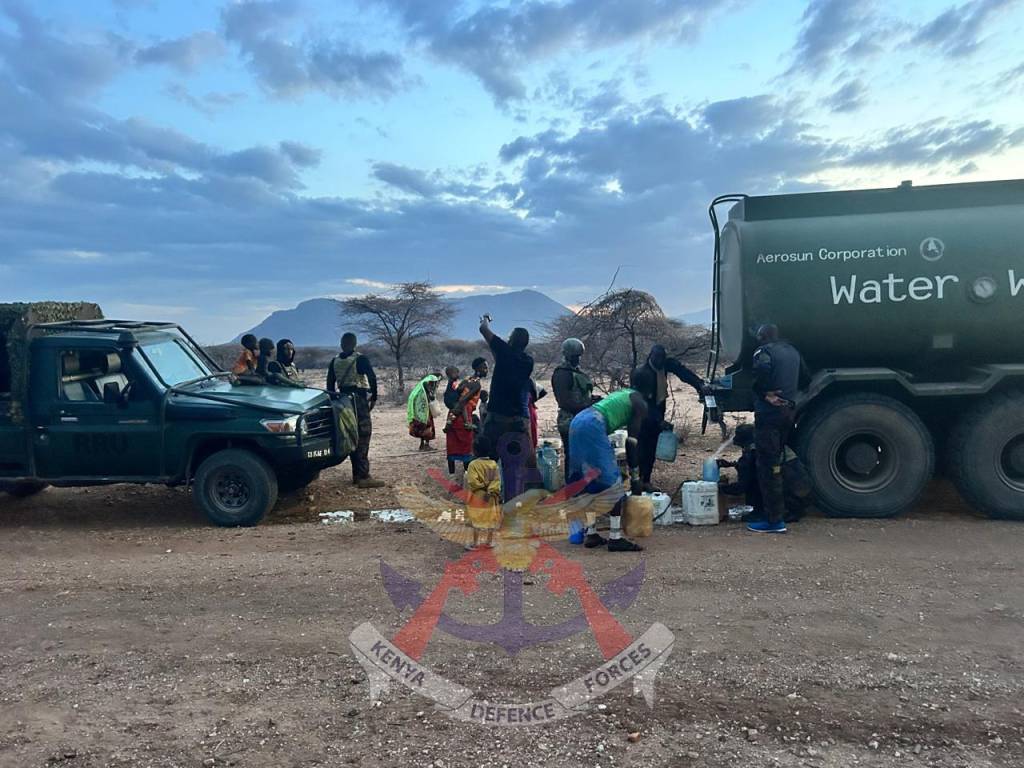
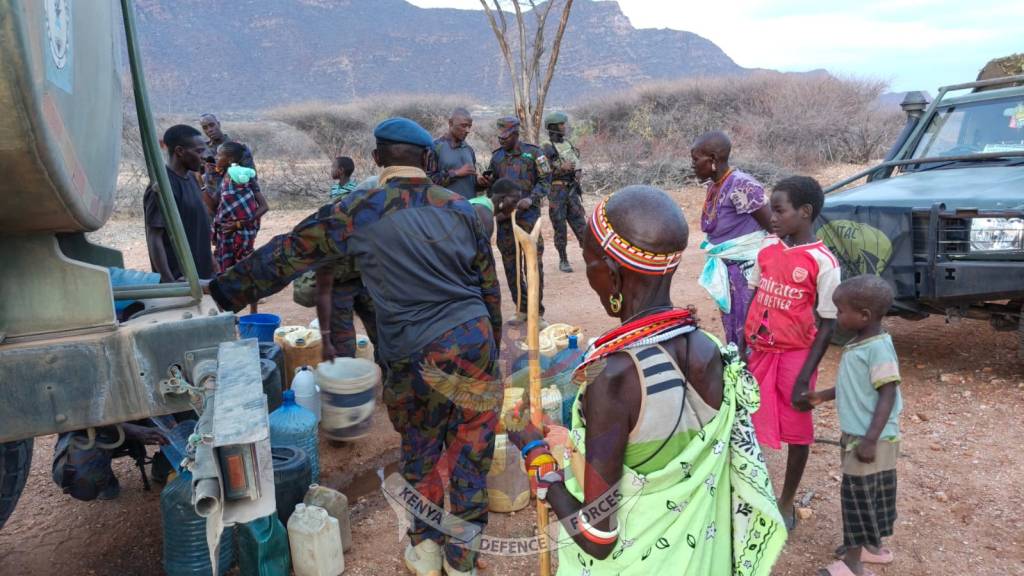
Beyond military training, the exercise also incorporated a Civil Military Cooperation (CIMIC) initiative led by personnel from the Rapid Response Unit (RRU), who distributed clean drinking water to residents of the Kamanga area. The outreach reflected the Kenya Air Force’s recognition of the importance of maintaining positive relations with communities that host military training activities while contributing to their immediate welfare.
Addressing participants, Brigadier Farah described Air to Ground Integration as a force multiplier that transforms air power into a decisive extension of the ground commander’s manoeuvre capability. He observed that the exercise had successfully demonstrated the principles of joint planning, synchronisation, deconfliction and safety, while underscoring the value of continuous, realistic training in sustaining a combat-ready force.
The Deputy Commander also acknowledged the contribution of the United States Military Group Kenya advisors and instructors for their enduring partnership in advancing professional military training. He further commended the JTACs, aircrew, Pararescue Jumpers, exercise evaluators, safety officers, medical teams, support personnel and the planning staff whose professionalism ensured the successful execution of the exercise.
As the exercise concluded, Brigadier Farah encouraged participants to apply the lessons identified to future operations and reaffirmed the Kenya Air Force’s resolve to continue conducting advanced joint training that enhances interoperability, strengthens operational readiness and reinforces the Kenya Defence Forces’ capacity to respond decisively to emerging security challenges.
Add Comment