Modern military operations demand more than technical proficiency. They require personnel capable of making precise decisions under pressure, integrating multiple capabilities and responding rapidly when lives and mission success are at stake. Specialised training therefore remains critical to building an agile, adaptable and mission-ready force capable of operating effectively across complex environments.
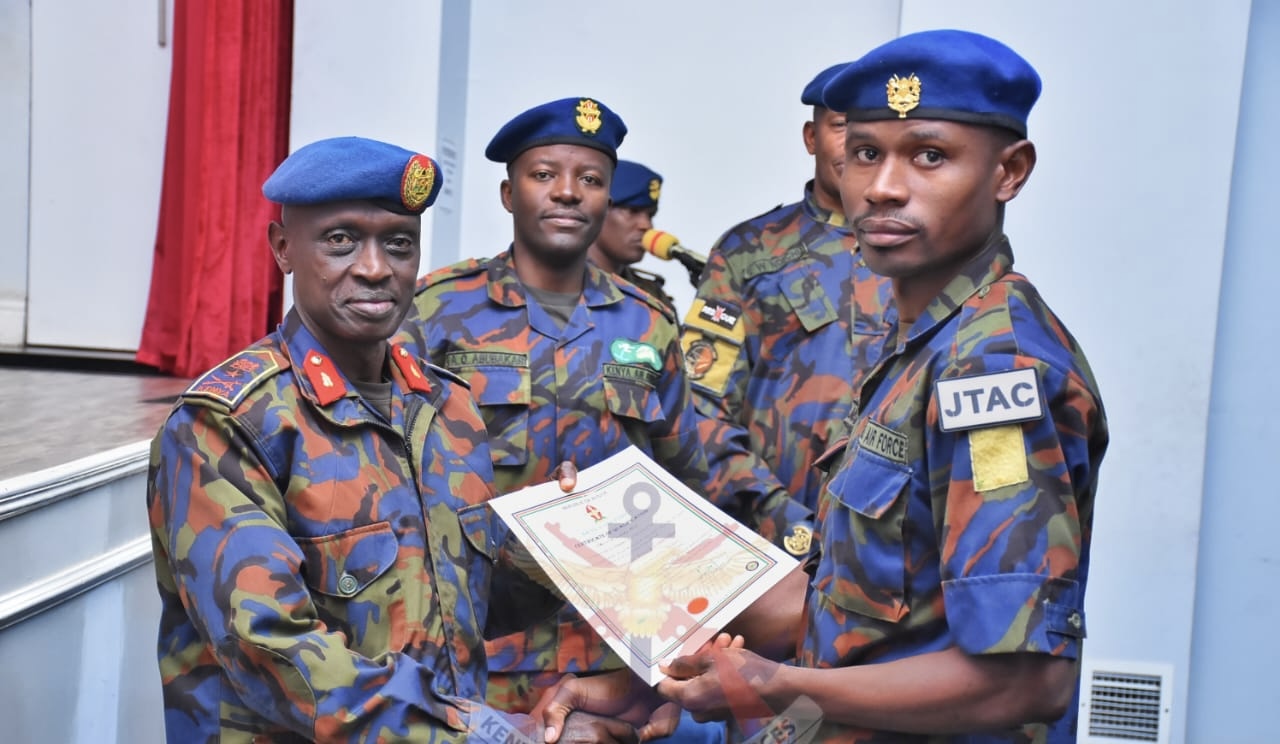
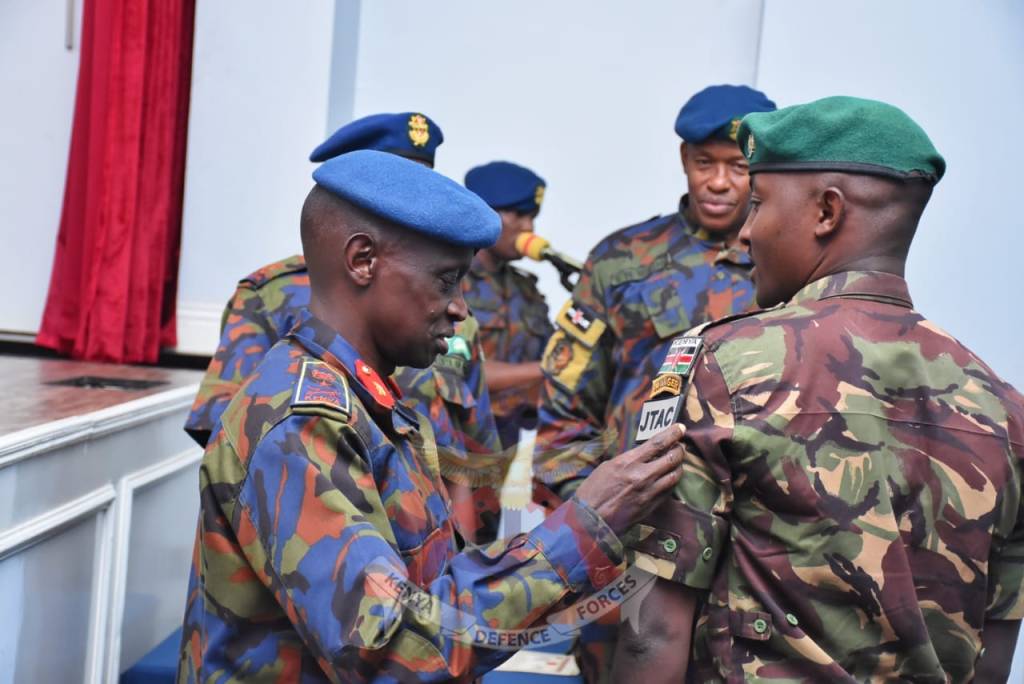
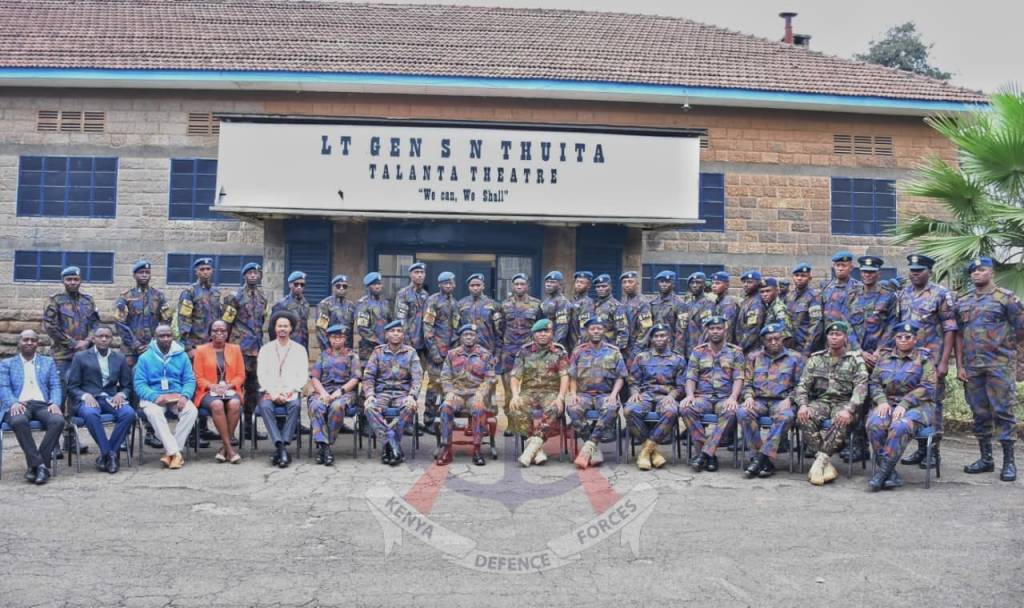
The Kenya Air Force (KAF) continues to strengthen these capabilities through specialised training designed to enhance Air-to-Ground Integration, combat rescue and emergency medical response. On 18 August 2026, Base Commander Embakasi Air Base (EAB), Brigadier Stephen Kapkory, presided over the graduation of Joint Terminal Attack Controllers (JTACs) and the official opening of the Pararescue Jumper and Advanced Emergency Medical Technician (EMT) courses at Moi Air Base (MAB).
The JTAC course, which commenced on 26 January 2026, equipped personnel with specialised competencies in Air-to-Ground Integration, Close Air Support, airspace deconfliction, Medical Evacuation, operational planning and aircraft tactics, among other essential skills. The training culminated in a live-fire Air-to-Ground Integration Field Training Exercise, providing the graduates with an opportunity to apply their knowledge and skills in a realistic operational setting.
JTACs play a critical role in coordinating the employment of air capabilities in support of ground operations, requiring a high degree of situational awareness, precision and sound judgement. Their training strengthens the integration of air and ground elements while contributing to the safe, timely and effective application of air power during joint operations.
The ceremony also marked the beginning of the Pararescue Jumper and Advanced EMT courses, expanding the focus from precision air-ground coordination to rapid rescue and emergency medical response. The Pararescue Jumper programme is designed to develop personnel capable of conducting rescue operations in demanding environments, while the Advanced EMT course seeks to strengthen the delivery of emergency medical care in situations where timely intervention can be decisive.
Together, the programmes combine physical conditioning, technical proficiency, tactical competence and specialised medical skills to prepare personnel for operations that demand speed, courage, adaptability and teamwork.
Addressing the graduates, trainees and instructors, Brigadier Kapkory commended their dedication and emphasised the importance of specialised capabilities in responding to the evolving demands of modern military operations.
“These courses demonstrate our commitment to developing specialised capabilities that meet the demands of modern operations. The skills acquired must translate into operational effectiveness, because precision, judgement, courage and teamwork can make the difference between life and death,” he said.
He challenged the graduates and trainees to uphold high standards of professionalism, discipline and continuous learning, noting that operational readiness depends on personnel who are technically competent, adaptable and capable of performing effectively under pressure.
By developing expertise in Air-to-Ground Integration, combat rescue and advanced emergency medical response, the Kenya Air Force continues to build a pool of specialised personnel capable of responding rapidly and effectively across diverse operational scenarios. The training also strengthens joint operational capability by ensuring that air support, rescue and medical response can be integrated when missions demand coordinated action.
The graduation and commencement of the specialised courses underscore KAF’s continued investment in human capital as a critical pillar of operational capability, strengthening responsiveness, mission effectiveness and the readiness of the Kenya Defence Forces to meet contemporary and emerging operational demands.
Add Comment