
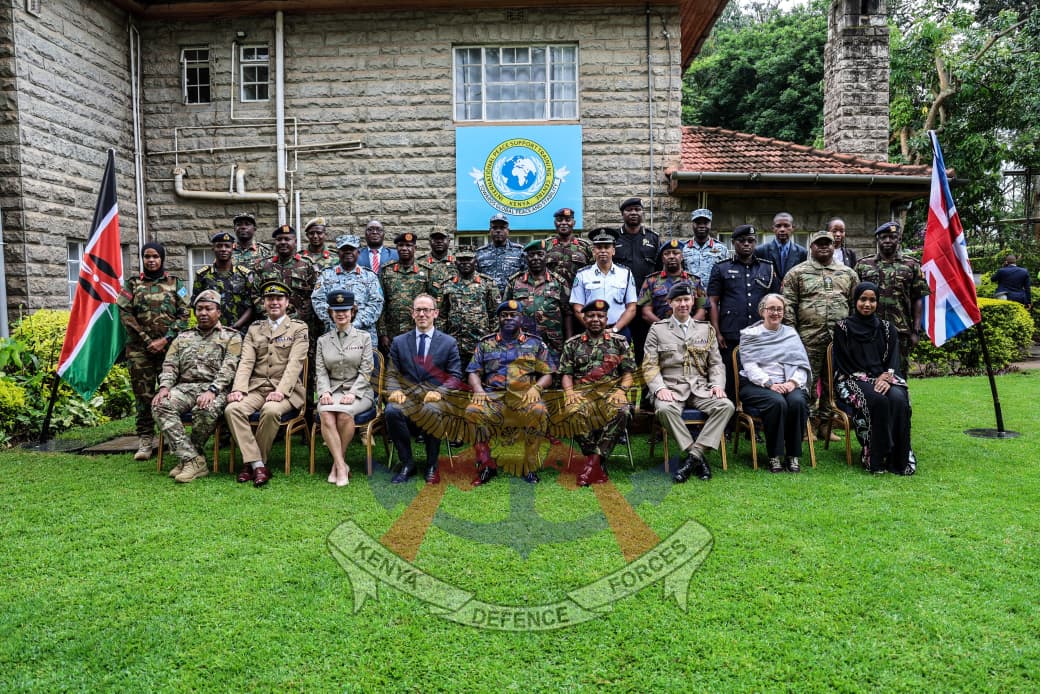
Effective strategic leadership requires the ability to anticipate change, navigate complex security environments and build relationships that support collective action. These qualities formed the focus of the opening of the Strategic Leadership Programme at the International Peace Support Training Centre (IPSTC) in Nairobi on 16 November 2026.
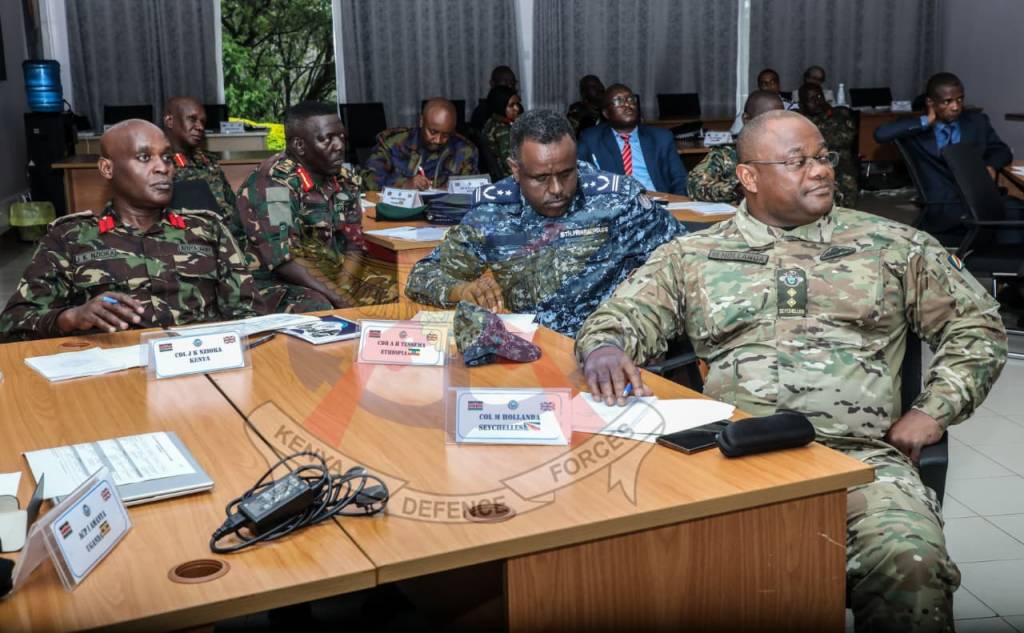
The five-day programme brings together 25 senior military officers and security-sector officials from six countries, namely Ethiopia, Kenya, Seychelles, Somalia, Uganda and United Republic of Tanzania. Delivered in partnership with the Defence Academy of the United Kingdom and Cranfield University, the programme is being held in Kenya for the first time and seeks to strengthen leadership and management capabilities at the strategic level in the region.
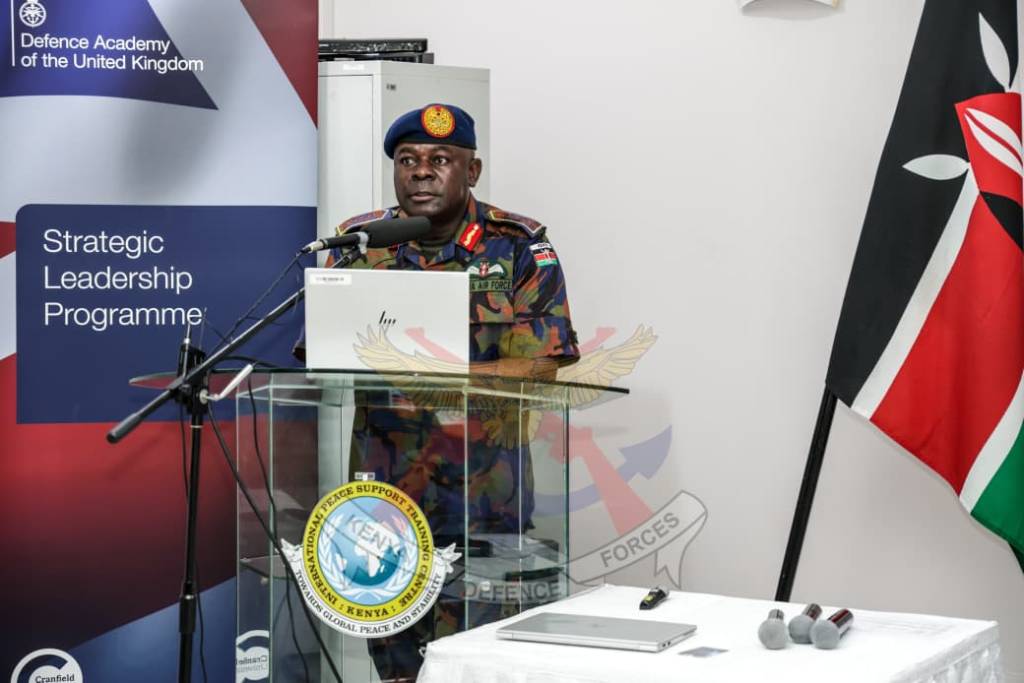
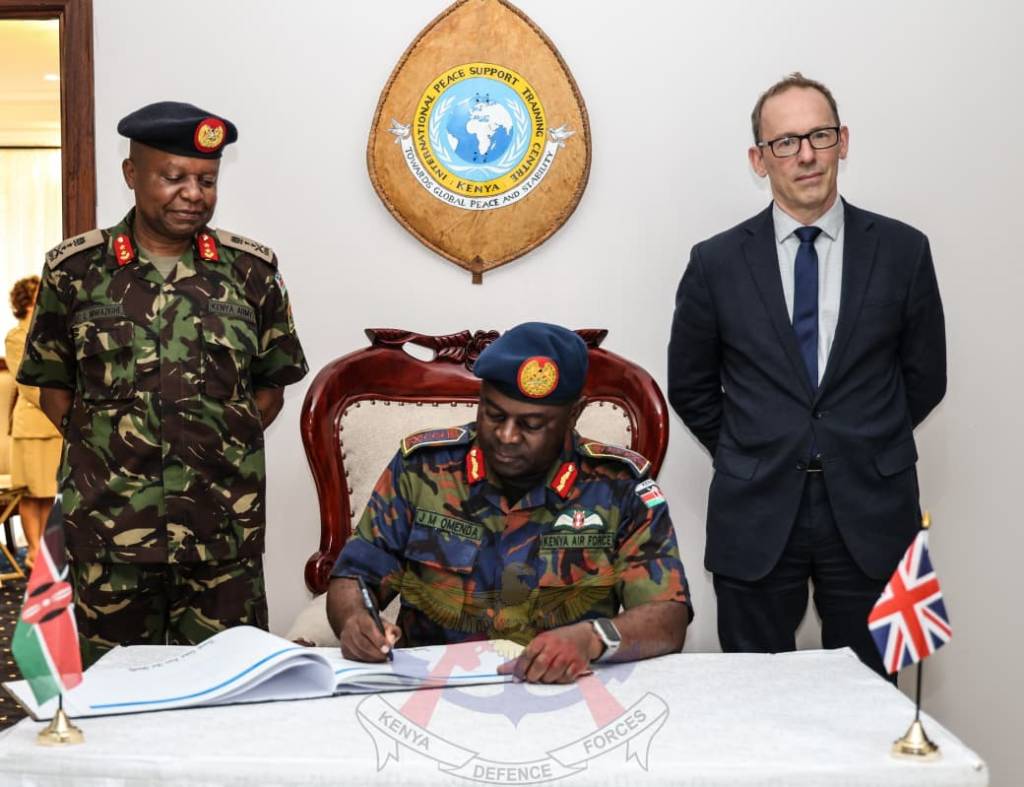
Addressing participants during the officially opening ceremony, Vice Chief of the Defence Forces Lieutenant General John Omenda challenged participants to use the opportunity to enhance their leadership capabilities while building professional relationships that would support future cooperation and sound decision-making.
He noted that the programme incorporates practical scenarios reflecting real-world security challenges and encouraged participants to draw on one another’s experiences as they prepare for greater leadership responsibilities. Lt Gen Omenda further urged leaders to look beyond the use of force in the pursuit of peace, emphasising the importance of understanding societies, anticipating emerging tensions and shaping conditions before they escalate into conflict. He also highlighted the value of professional networks in enabling leaders to consult, exchange perspectives and respond collectively when difficult decisions arise.
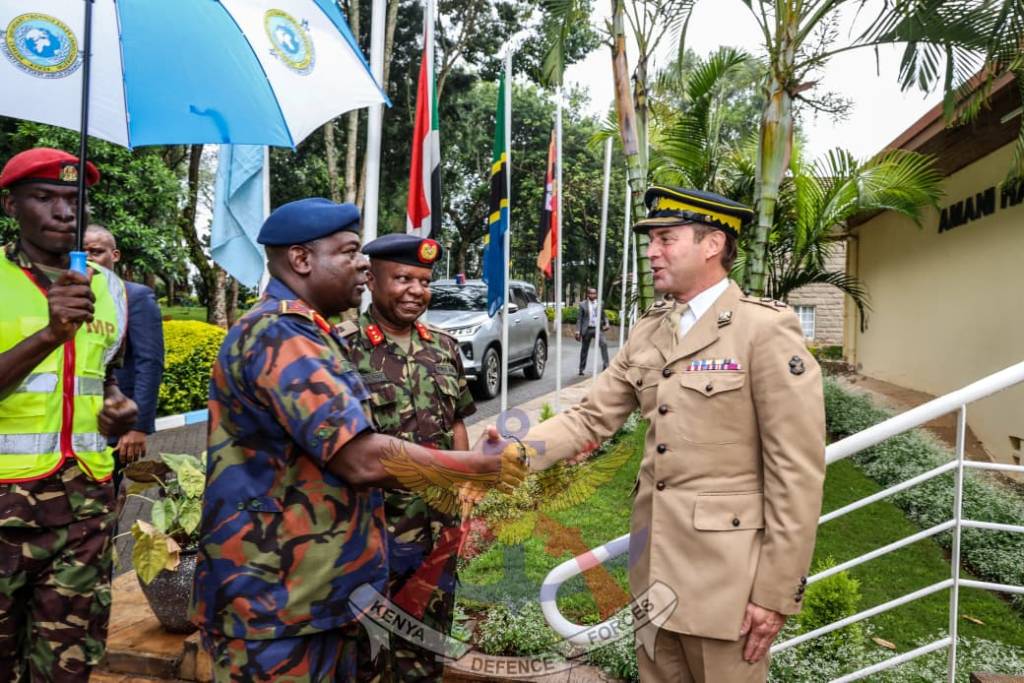
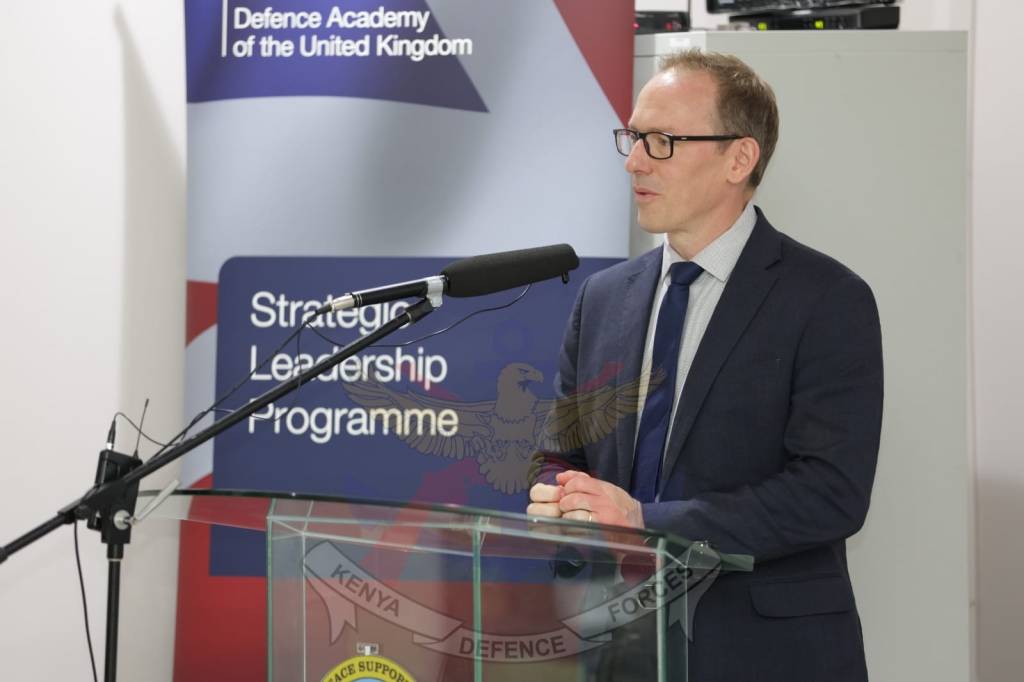
British High Commissioner to Kenya Matt Baugh OBE officially opened the course and underscored the importance of strategic leadership in addressing threats that increasingly transcend national and institutional boundaries. Citing violent extremism, maritime insecurity, organised crime, rapid technological change and climate-related shocks, he observed that the relationships developed during the programme could prove as valuable as the leadership models and management techniques acquired. He described the programme as an investment in both institutional partnerships and person-to-person relationships.
Director IPSTC Major General Charles Mwazighe highlighted the significance of the senior-level programme, describing participation as an important opportunity for officers and officials selected by their respective countries. He encouraged participants to make the most of the programme, engage with the facilitators and draw lessons from the diverse experiences represented within the group.
Throughout the week, participants will examine leadership, strategy, organisational culture, change management, communication and decision-making through lectures, discussions, case studies and practical exercises. The programme strengthens professional defence education and regional cooperation while equipping senior leaders with the perspectives, networks and strategic tools needed to address shared peace and security challenges more effectively.
Add Comment