
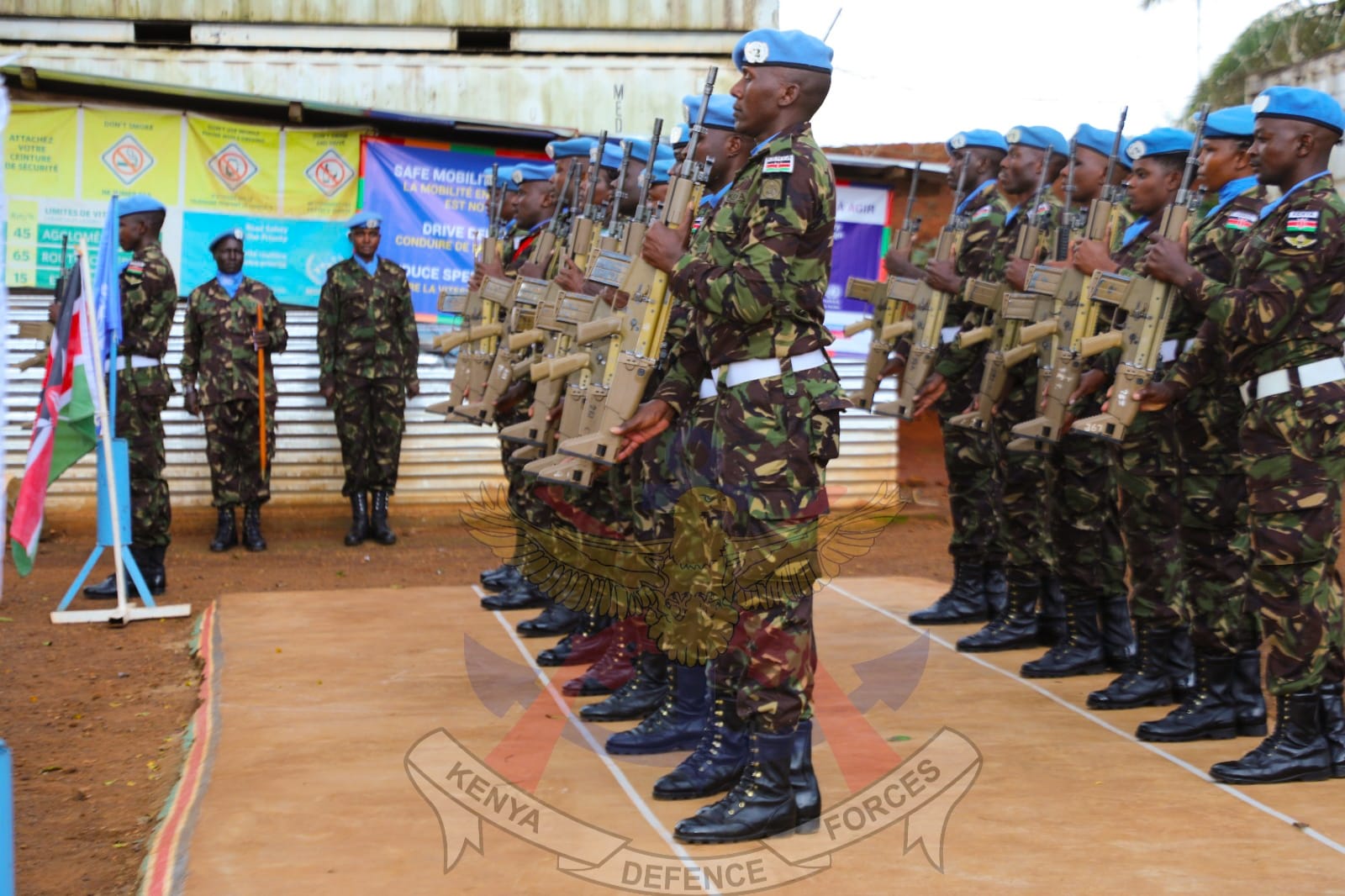
Periodic reviews by United Nations leadership are critical to the success of tactical peacekeeping operations because they connect mandate intent at headquarters with conditions on the ground. Such reviews allow senior leaders to test whether units are properly integrated, resourced and coordinated; to detect systemic friction before it undermines operations, and to turn field experience into practical adjustments and best practices. For a mission like MONUSCO, where quick reaction forces must operate within a complex chain of command and alongside multiple Mission components, these reviews are operational tools rather than administrative exercises.
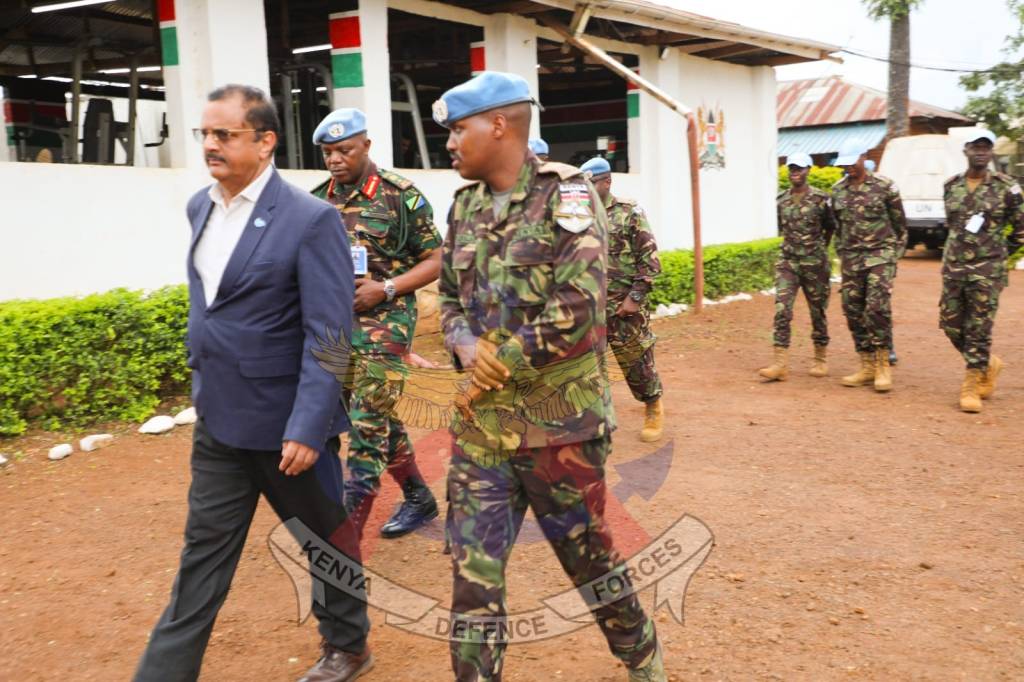
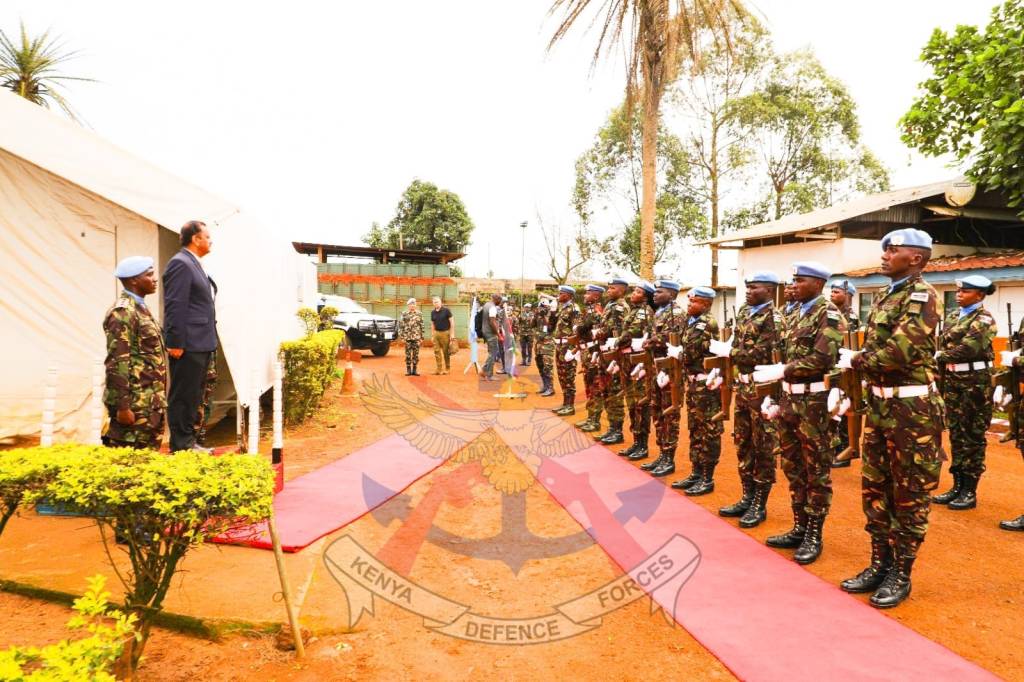
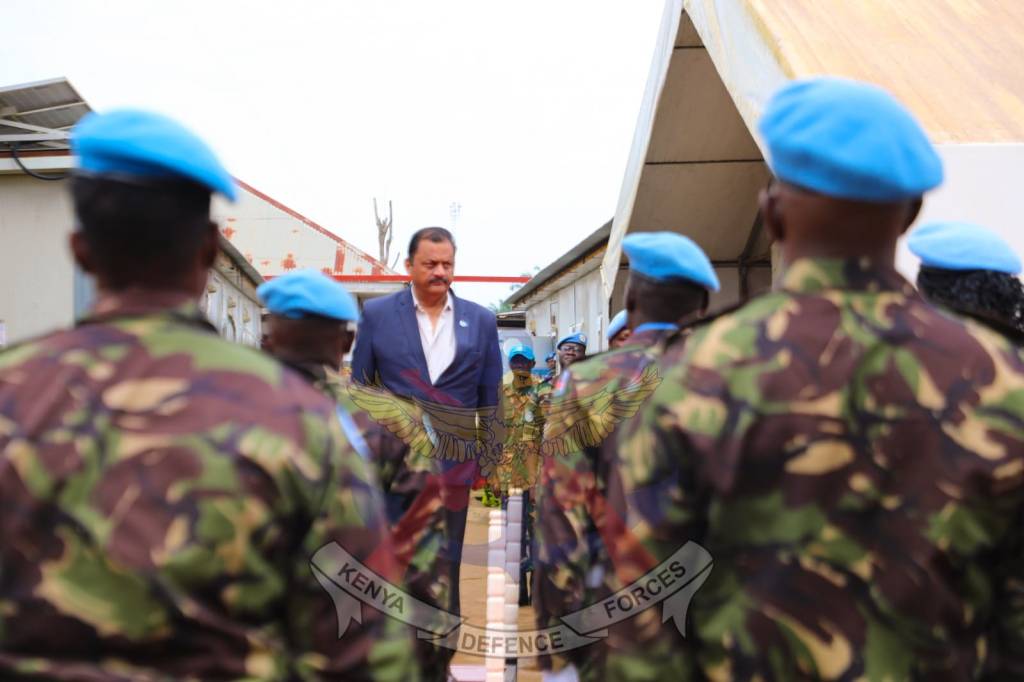
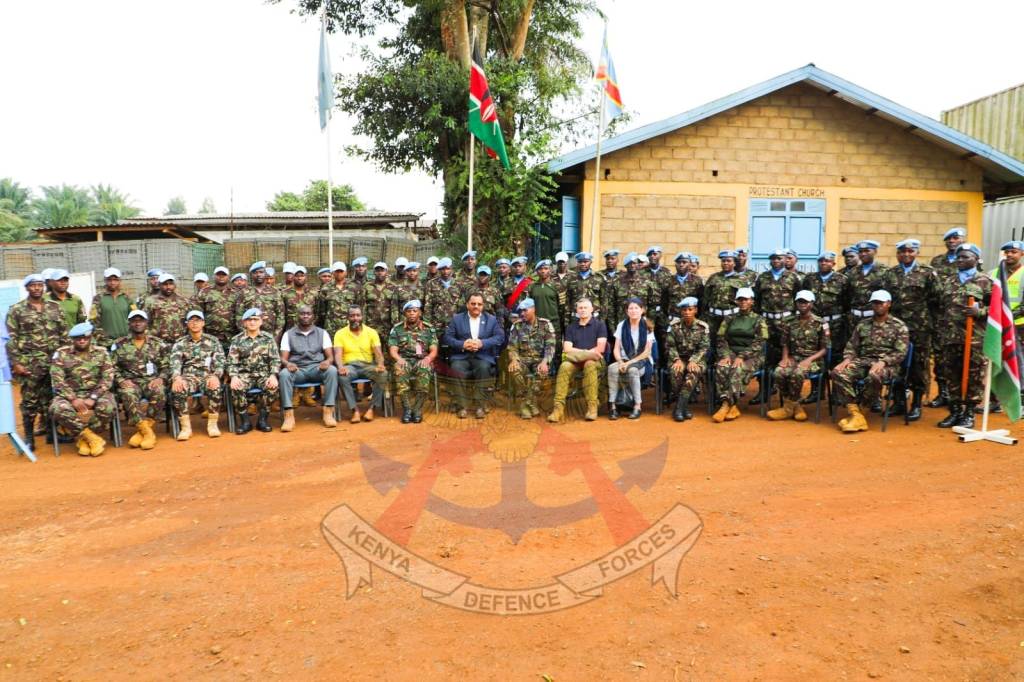
That rationale framed the visit by the Office for Peacekeeping Strategic Partnership (OPSP) from United Nations headquarters in New York to Kenya’s 5th Quick Reaction Force at Mavivi Permanent Operating Base. The visit formed part of a broader review of the Force Headquarters and Force Intervention Brigade headquarters and was led by Lieutenant General Mohan Subramanian. Its focus was to review operations and identify gaps, systemic issues and emerging challenges affecting implementation of MONUSCO’s mandate.
A central objective was to examine integration and internal coordination among Mission components. For tactical units, effectiveness depends on shared understanding, timely information, logistical support and clear command relationships. By assessing how these elements function in practice, the review team aimed to establish where coordination strengthens operations and where friction reduces efficiency. This is especially significant for quick reaction forces, whose value depends on speed, readiness and confidence that supporting systems will respond when needed.
The visit also served a learning function. By identifying lessons from KENQRF 5 and its operating environment, the team is better placed to recommend best practices for MONUSCO and other peacekeeping operations. Such lessons help leadership refine guidance, prioritize fixes and adapt approaches to emerging challenges. The aim is to convert field observations into practical improvements that support mandate delivery and protect peacekeepers and civilians.
The significance of the OPSP visit therefore extends beyond a single base. It reinforces accountability, learning and operational coherence from headquarters to the tactical edge, demonstrating how the United Nations seeks to align strategy, coordination and resources so that units like KENQRF 5 can operate more effectively within MONUSCO and contribute to broader peacekeeping learning.
Add Comment