
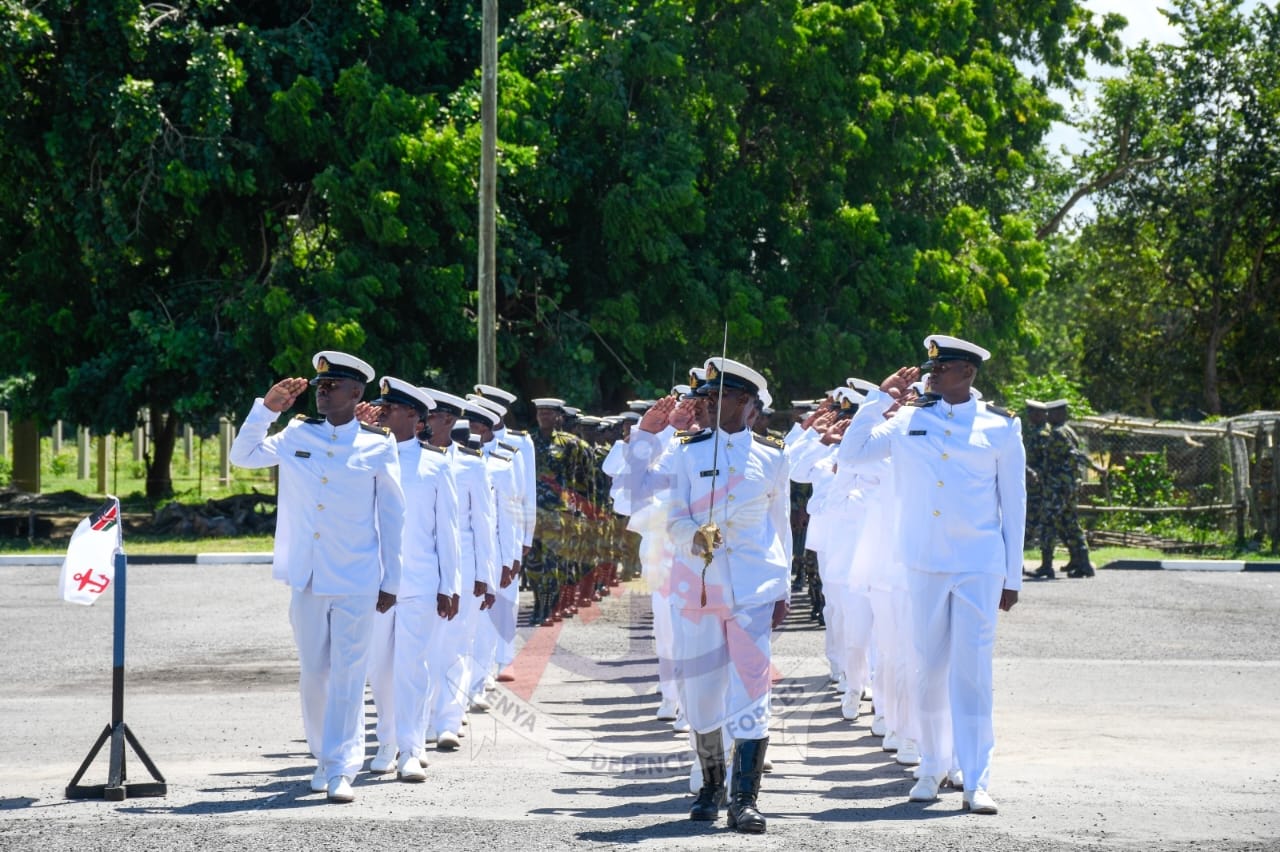
As maritime security continues to grow in strategic importance, the need for well-trained naval professionals has become central to safeguarding national interests at sea. Unlike conventional military operations conducted on land, naval missions demand a unique combination of technical expertise, leadership under pressure, adaptability and mastery of the unforgiving maritime environment. From protecting territorial waters and securing vital sea lanes to defending economic assets within the Blue Economy, professional naval officers remain a critical pillar of national security.
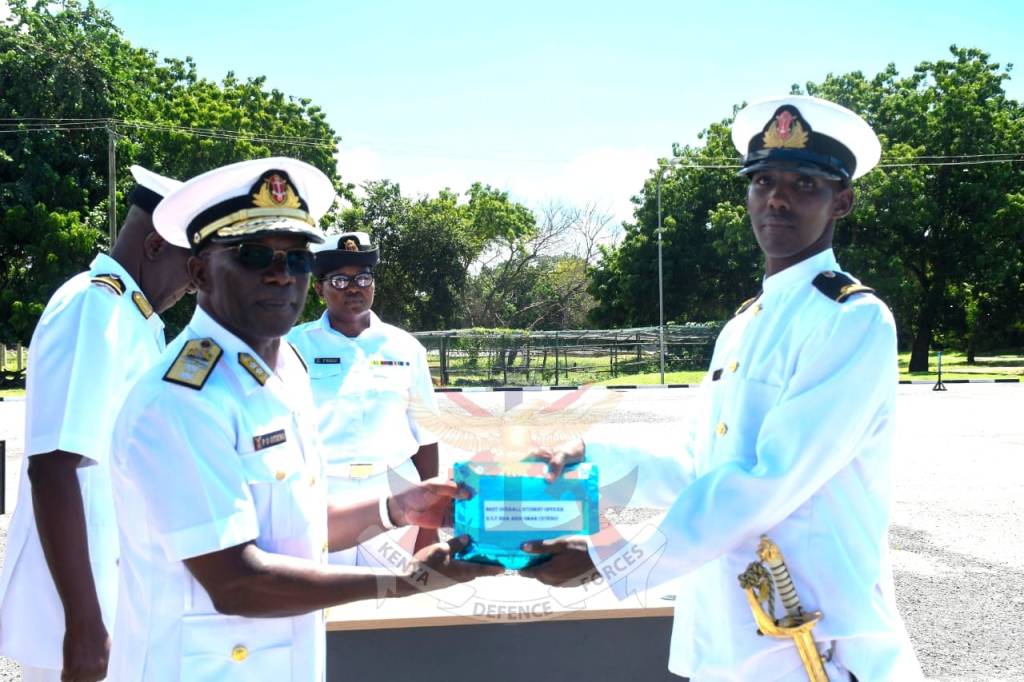
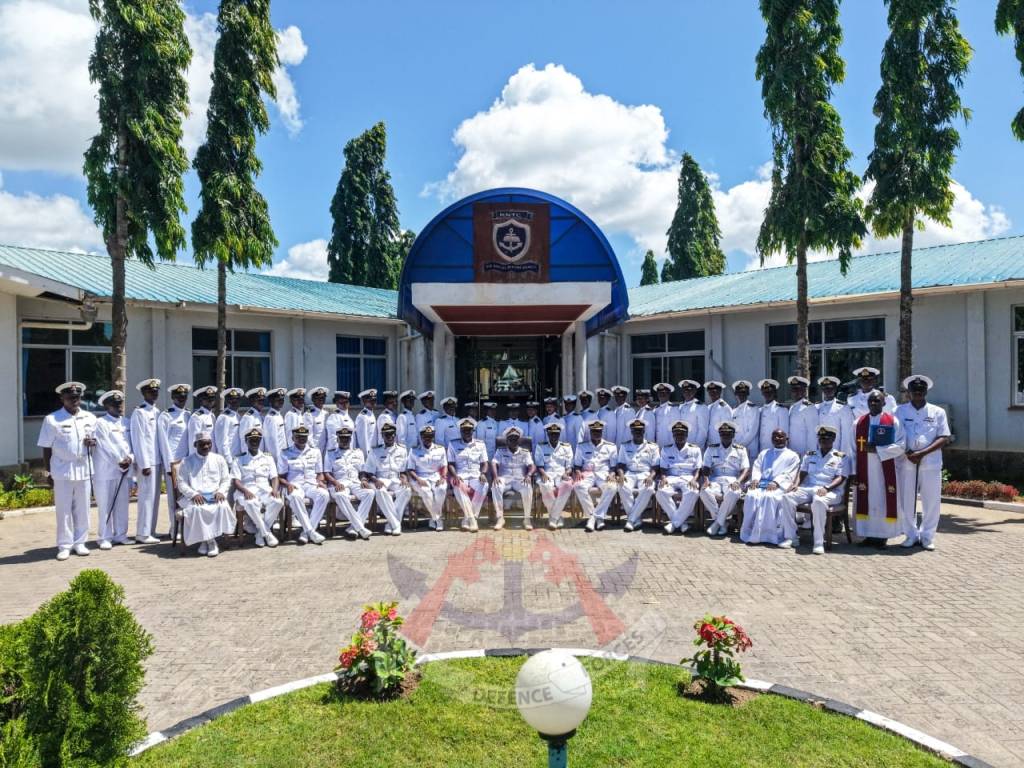
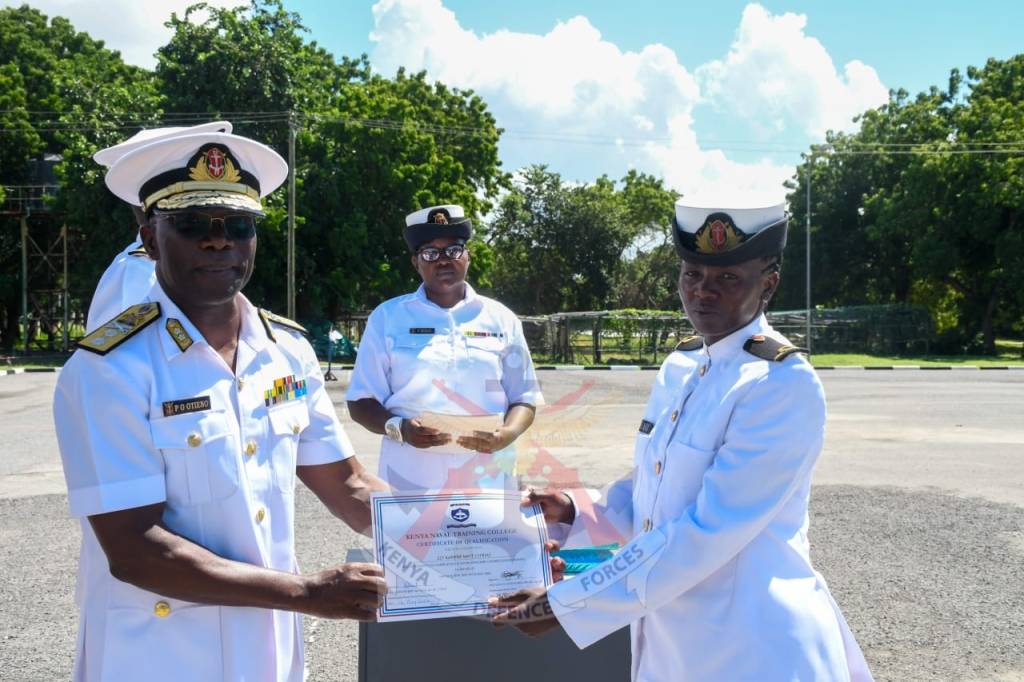
Within this context, the Kenya Navy marked a significant milestone with the graduation of Junior Officers Course Conversion, reaffirming its commitment to building a professional, capable and mission-ready maritime force. The graduation ceremony, held on 15 May 2026 at the Kenya Naval Training College (KNTC) in Mtongwe, Mombasa County, celebrated the successful completion of a rigorous one-year conversion programme designed to transform newly commissioned officers into competent seafaring leaders.
The course, undertaken immediately after commissioning from the Kenya Military Academy, serves as the foundational professional bridge between conventional officer training and the specialised demands of naval service. Through a carefully structured curriculum combining academic instruction, professional military education and practical sea training cruises, the programme equips officers with critical competencies in seamanship, navigation, ship management, maritime combat operations and survival at sea.
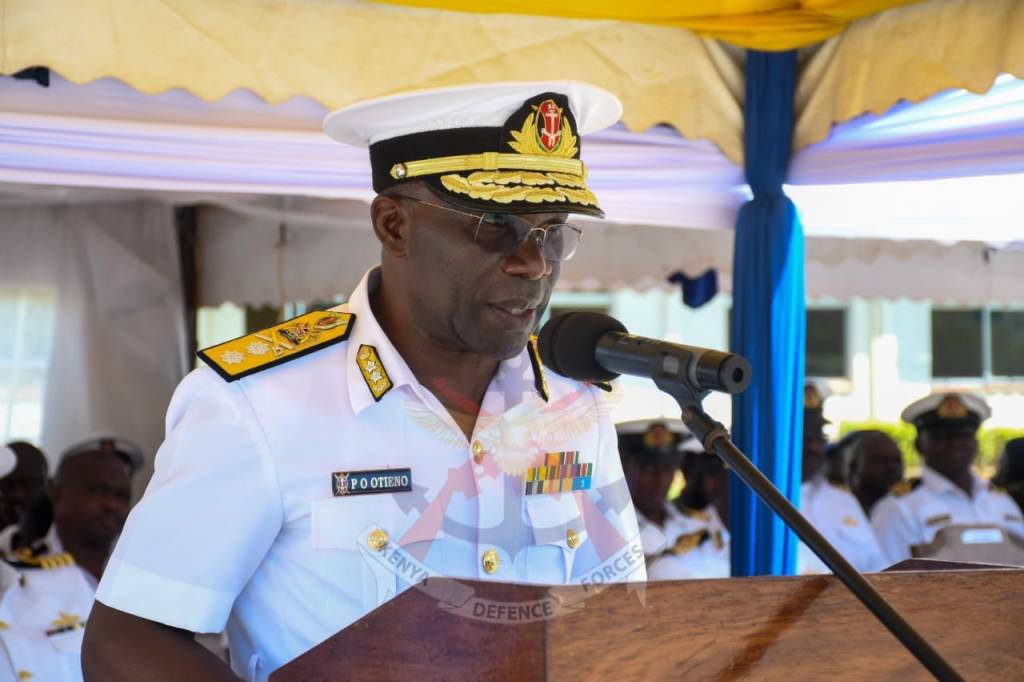
Officiating the ceremony, Commander Kenya Navy, Major General Paul Otieno, underscored the strategic importance of professional maritime training in sustaining operational readiness and securing Kenya’s maritime domain. He noted that in an era of evolving maritime threats—including piracy, trafficking, illegal fishing and transnational insecurity—quality naval education is not optional, but an operational necessity.
Major General Otieno emphasized that while modern ships, advanced weapons systems and emerging technologies remain essential force multipliers, their effectiveness ultimately depends on the professionalism, competence and discipline of the officers entrusted to operate them. His remarks reinforced the enduring principle that human capability remains the decisive factor in maritime power projection.
The Commandant of the Kenya Naval Training College, Colonel Eliud Keter, echoed these sentiments, describing discipline and structured training as the bedrock of naval excellence. He observed that naval tradition demands a deliberate and rigorous process of moulding young officers into resilient leaders capable of making sound decisions under demanding operational conditions. According to Colonel Keter, the year-long conversion course successfully initiated the officers into the seafaring profession while laying the foundation for confident and effective leadership at sea.
The graduation reflects more than individual achievement; it represents an investment in Kenya’s broader maritime security architecture. As the newly qualified officers join the fleet and other naval establishments, they will be expected to strengthen Kenya’s ability to secure its maritime borders, protect strategic economic interests and respond effectively to emerging challenges in the maritime domain.
With the Blue Economy increasingly positioned as a driver of national growth, the Kenya Navy’s continued investment in professional training demonstrates a clear recognition that maritime security begins with people—disciplined, skilled and mission-ready professionals prepared to defend the nation from the sea outward.
Add Comment