
In an increasingly competitive and performance-driven public sector environment, productivity improvement has become a critical enabler of institutional transformation, operational efficiency and sustainable growth. For public institutions seeking to deliver greater value with limited resources, the adoption of modern productivity frameworks is essential in reducing inefficiencies, strengthening accountability and improving service delivery in alignment with national development priorities.
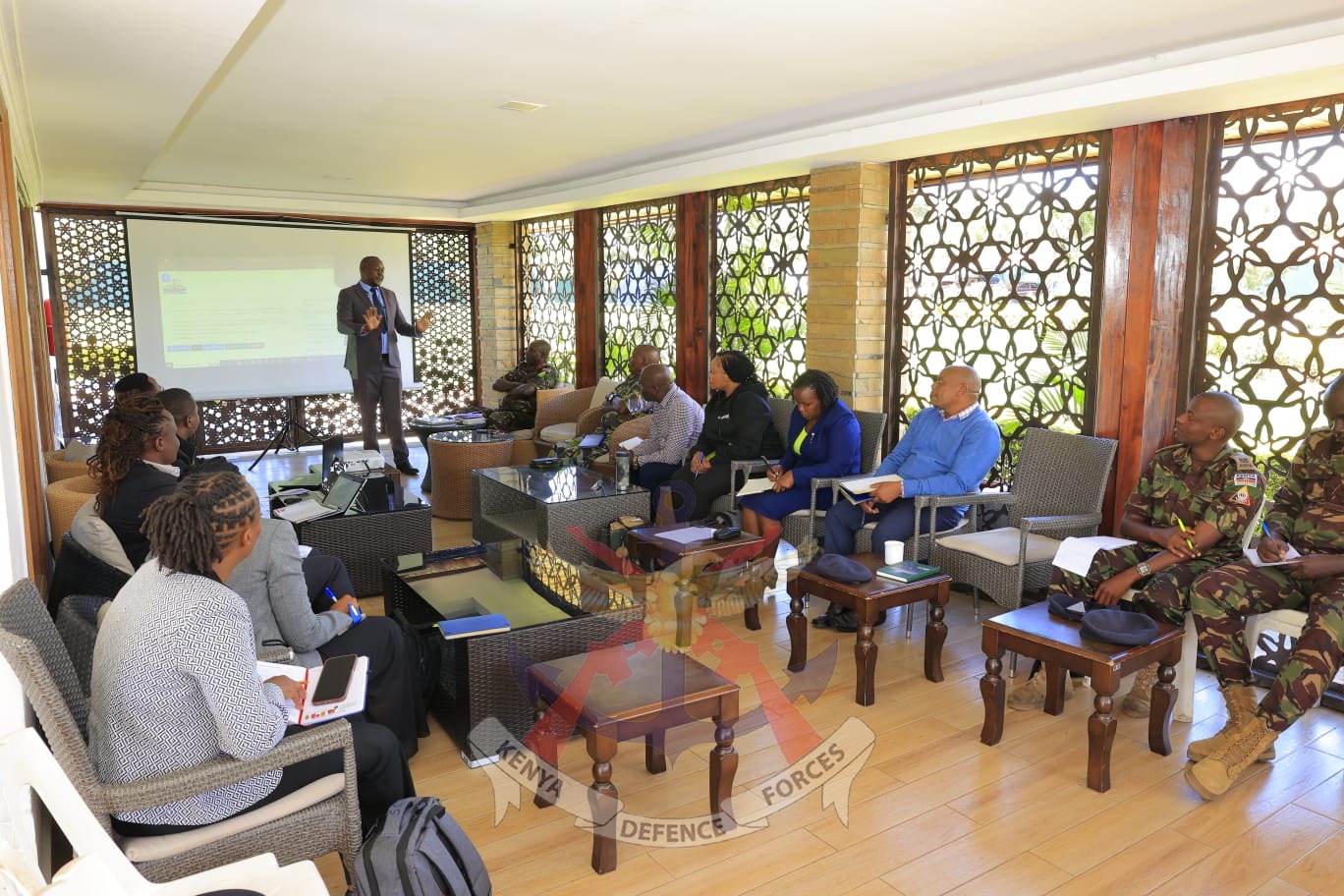
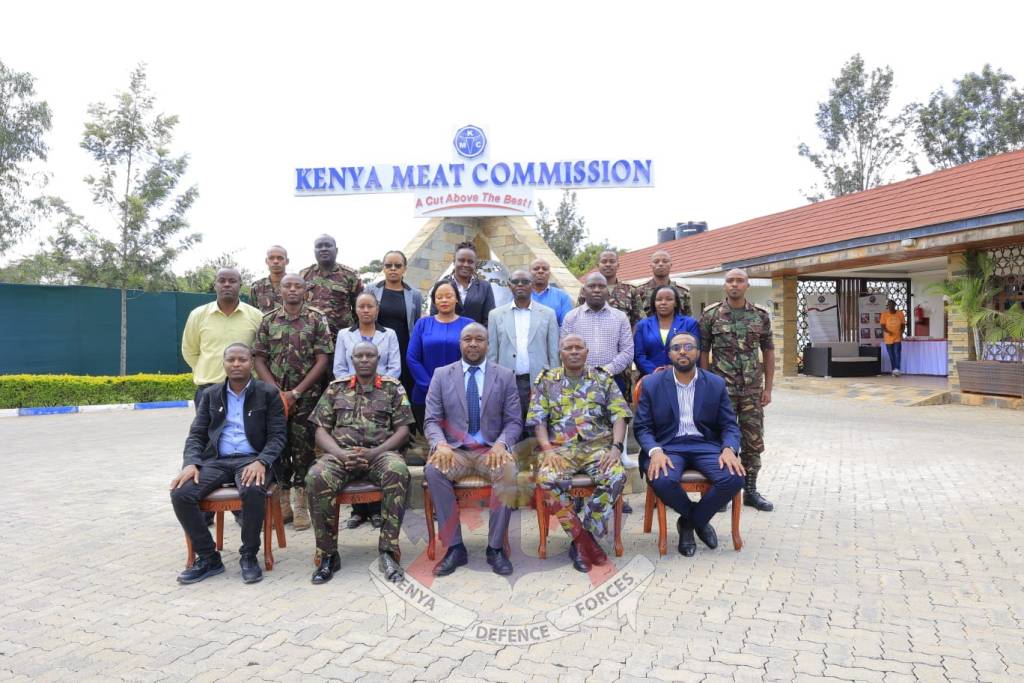
Recognising this strategic imperative, the Kenya Meat Commission (KMC) has taken a deliberate step to strengthen institutional performance through capacity development, holding a five-day productivity mainstreaming workshop for departmental heads at its headquarters in Athi River from 11 to 15 May 2026.
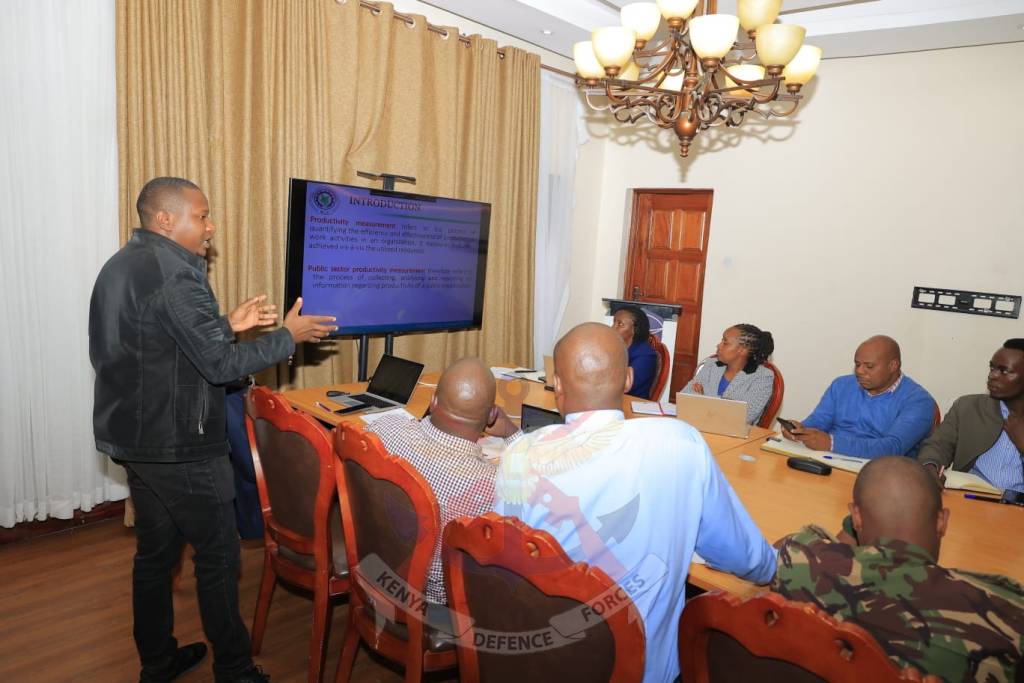
The training, facilitated by officers from the National Productivity and Competitiveness Centre (NPCC) under the Ministry of Labour and Social Protection, formed part of the broader national agenda aimed at enhancing efficiency, competitiveness and performance across public sector institutions. The workshop sought to equip KMC’s leadership with practical productivity tools, modern management frameworks and performance improvement strategies capable of driving measurable institutional transformation.
As public enterprises increasingly face pressure to optimise operations, improve customer experience and strengthen financial sustainability, such interventions provide a critical foundation for long-term competitiveness. For KMC, whose role remains central within Kenya’s livestock value chain, productivity enhancement is not merely an administrative exercise but a strategic necessity for strengthening operational resilience and market relevance.
Throughout the workshop, participants examined key performance bottlenecks and identified practical improvement areas designed to unlock greater efficiency and value creation. These included enhanced staff capacity building, optimal utilisation of facilities to drive revenue generation, improved customer satisfaction mechanisms and measures aimed at reducing production costs.
Speaking during the engagement, the Managing Commissioner, Major General J. K. Gula, described the training as a significant milestone in the Commission’s transformation agenda, particularly as KMC advances implementation of its 2023–2027 Strategic Plan. The strategy prioritises market expansion, improved operational efficiency and stronger financial independence, making productivity mainstreaming a critical pillar in achieving these institutional objectives.
The participation of the National Productivity and Competitiveness Centre further underscored the strategic importance government places on continuous performance improvement within public institutions. NPCC Secretary and Chief Executive Officer, Dr. Nahashon Moitaleel, reaffirmed the government’s commitment to embedding productivity improvement as a continuous and evolving process across public service institutions.
His remarks highlighted an important reality in modern institutional management—that productivity is not a one-time intervention, but a culture that must be systematically embedded into leadership, operations and decision-making processes.
The workshop represents more than a training exercise; it marks a tangible step in KMC’s broader transformation journey towards becoming a more agile, efficient and commercially competitive institution. By embracing modern productivity frameworks and equipping leadership with practical performance tools, the Commission is positioning itself to strengthen resource utilisation, improve operational output and deliver enhanced value across the livestock sector.
As Kenya continues to pursue public sector reforms anchored on efficiency, accountability and service excellence, initiatives such as this demonstrate how targeted leadership development and productivity mainstreaming can drive meaningful institutional change and sustainable performance improvement.
Add Comment