
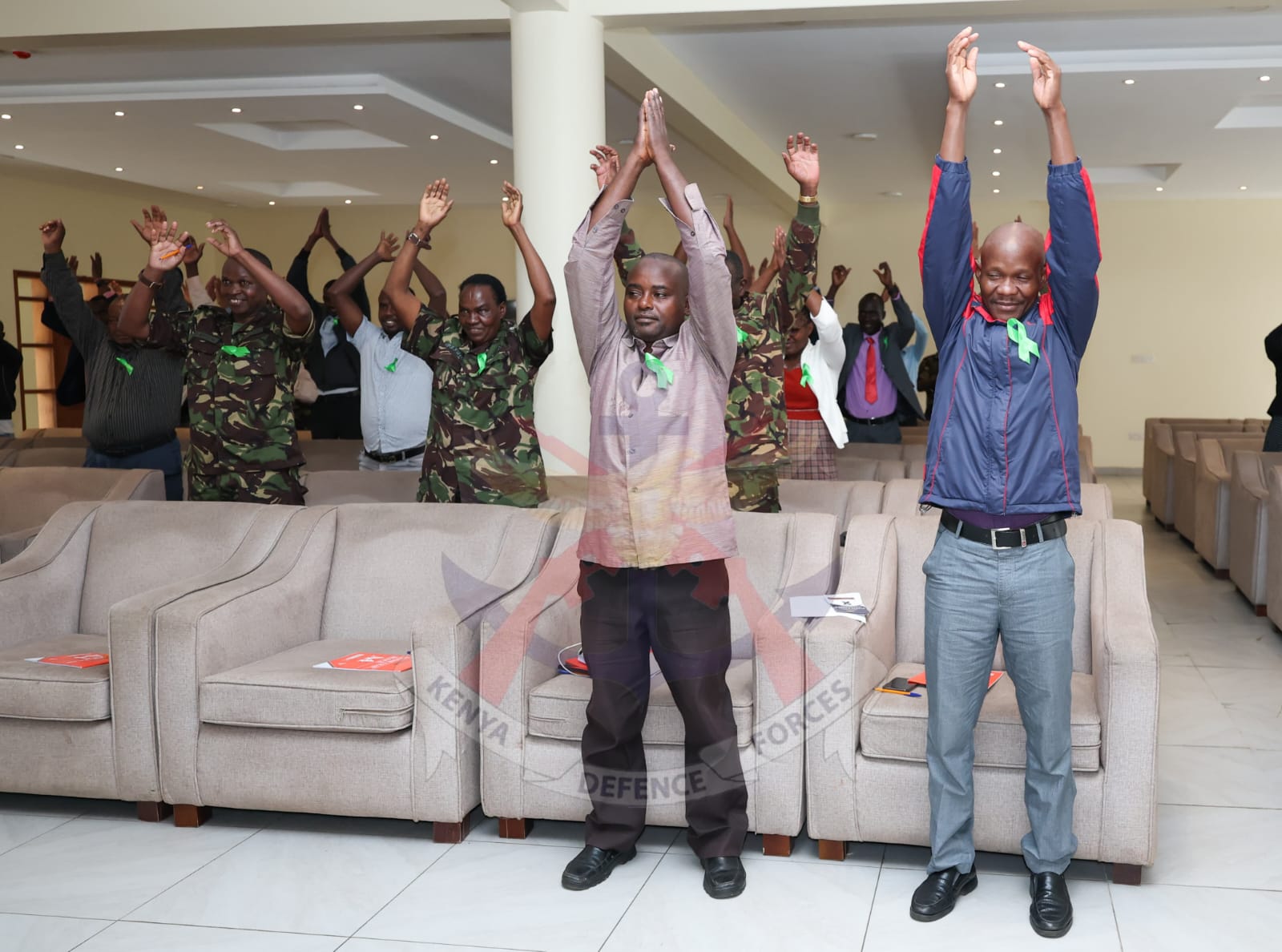
Amid increasing professional demands as workplaces continue to evolve, mental health has emerged as a critical pillar of organisational effectiveness, workforce resilience, and sustainable productivity. Institutions that proactively invest in mental wellness not only strengthen employee well-being but also enhance morale, operational readiness, and overall institutional performance. For security sector organisations, where personnel often operate under uniquely demanding conditions, promoting psychological resilience is increasingly recognised as an essential component of force preparedness and workforce management.
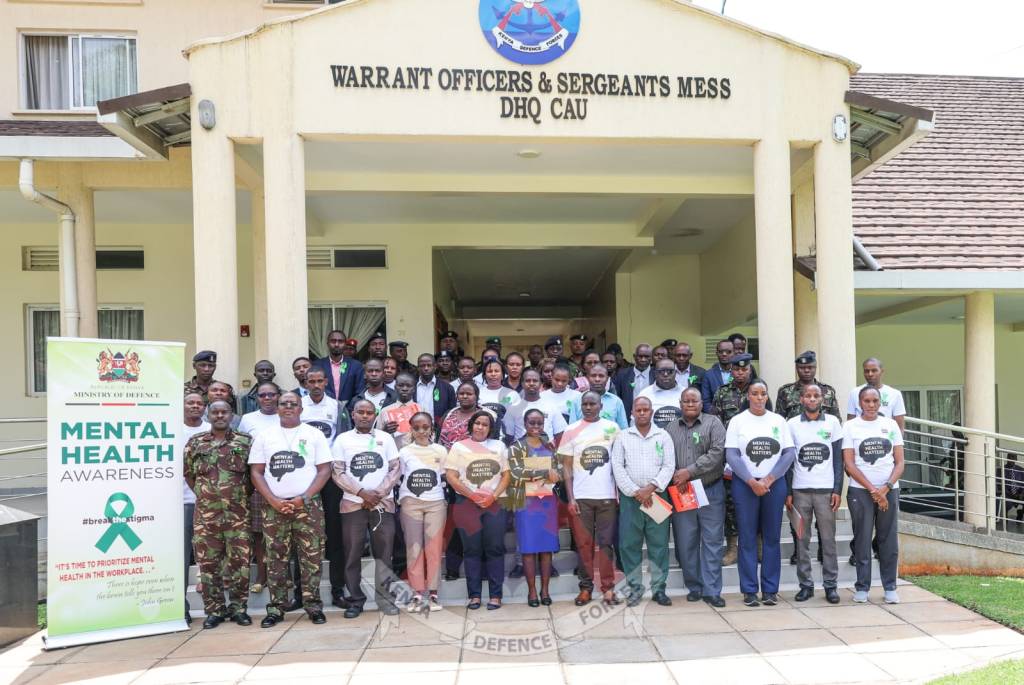
With this in mind, the Ministry of Defence (MoD) conducted a two-day Mental Health Awareness Workshop from 21st to 22nd May 2026 at the Defence Headquarters, reaffirming its commitment to fostering a healthier, more resilient, and productive workforce.
Held in observance of Mental Health Awareness Month under the theme, “It is Time to Prioritize Mental Health in the Workplace,” the workshop brought together civilian and military personnel for a focused engagement aimed at strengthening awareness, promoting psychological well-being, and encouraging proactive mental health management within the workplace.
Officially opening the workshop, Under Secretary Mr. Stanley Muturi underscored the urgency of prioritising mental wellness in today’s professional environments, noting that workplace stress remains a growing challenge affecting individuals across all sectors.
He described the workshop as both timely and significant, observing that this year’s theme reflects the realities many employees face in balancing professional demands with personal well-being. He emphasised that fostering a mentally healthy workforce is essential not only for individual welfare but also for institutional effectiveness and sustained performance.
The initiative forms part of the Ministry’s broader commitment to advancing workforce welfare through continuous awareness, prevention, and support programmes designed to strengthen resilience among both civilian and military personnel.
Discussions during the workshop highlighted the distinct mental health pressures associated with military service, including prolonged deployment away from family, operational demands, and the psychological pressures linked to career progression and leadership responsibilities. These realities reinforced the importance of creating supportive institutional structures that enable personnel to recognise, manage, and seek help for mental health challenges without stigma.
Facilitators encouraged participants to adopt practical and sustainable coping strategies to support mental wellness, including mindfulness practices, deep breathing, regular physical activity, healthy daily routines, effective time management, and maintaining strong social support systems through family, colleagues, and trusted networks.
The workshop also emphasised the importance of early intervention, with mental health professionals urging personnel experiencing prolonged stress, emotional fatigue, or difficulty coping to seek professional assistance at the earliest opportunity.
To strengthen access to support, counselling contacts were shared with participants to ensure both officers and civilian staff are able to access timely mental health assistance when needed.
Facilitated by mental health professionals from the Ministry’s Medical Response Station (MRS) and the Defence Headquarters Camp Administrative Unit, the workshop reflected the Ministry of Defence’s growing focus on holistic workforce readiness—recognising that resilient institutions are built not only on physical capability and professional competence, but also on strong psychological well-being.

Add Comment