
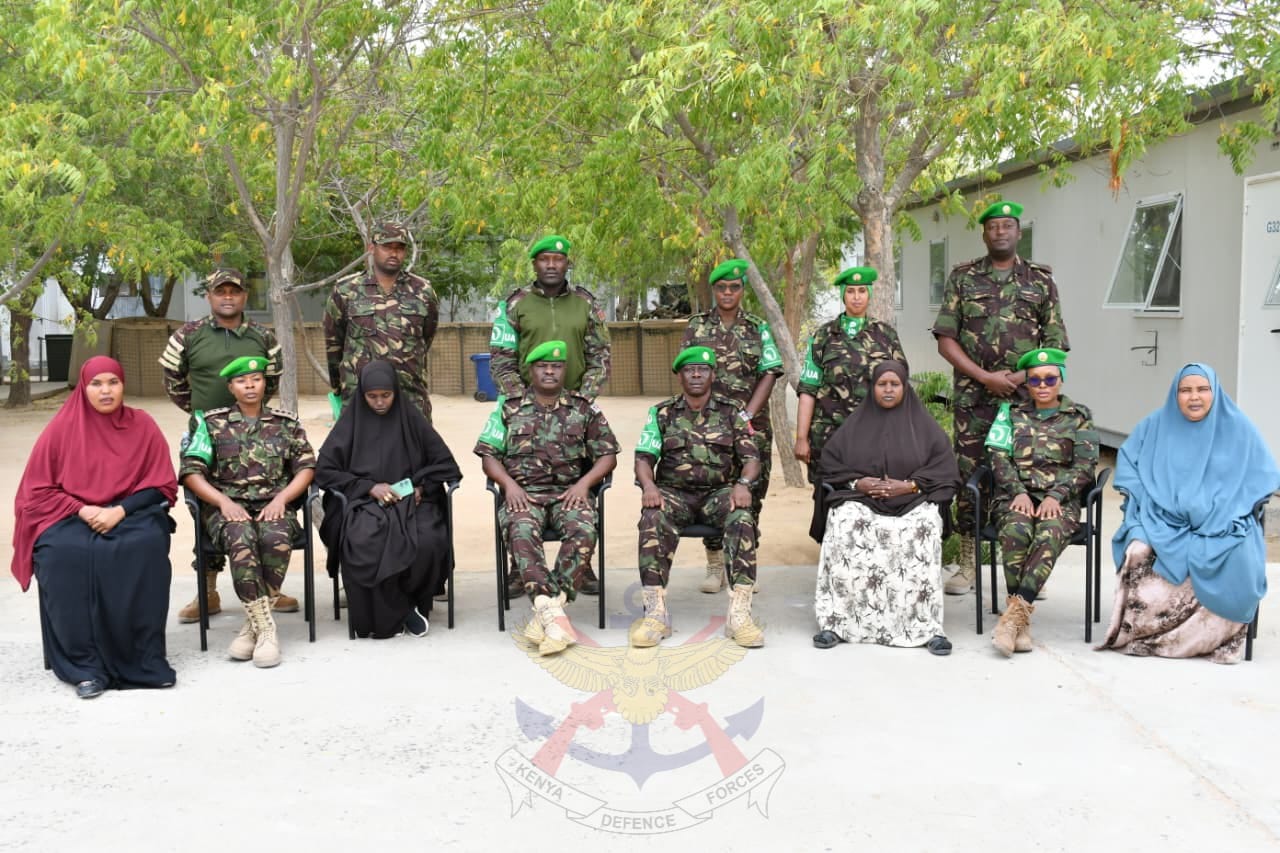
Lasting peace is strengthened when institutions and communities come together to address shared challenges and create opportunities for their people. In Jubaland, the Kenya Defence Forces (KDF) serving under the African Union Support and Stabilization Mission in Somalia (AUSSOM) Sector II continue to build such partnerships through engagements focused on women, girls, youth and vulnerable groups.
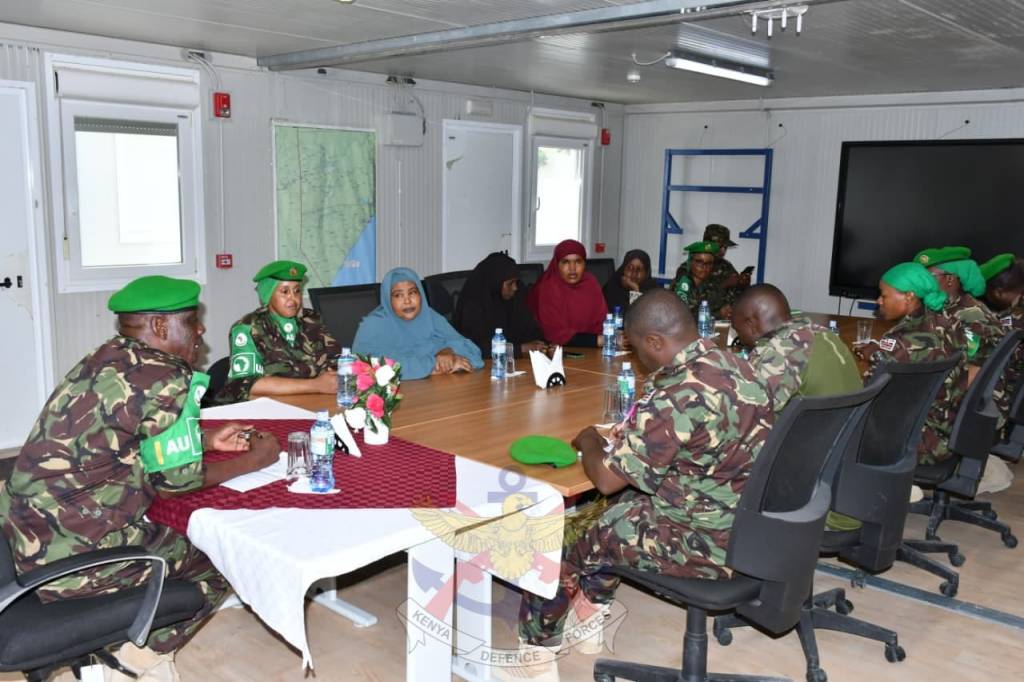
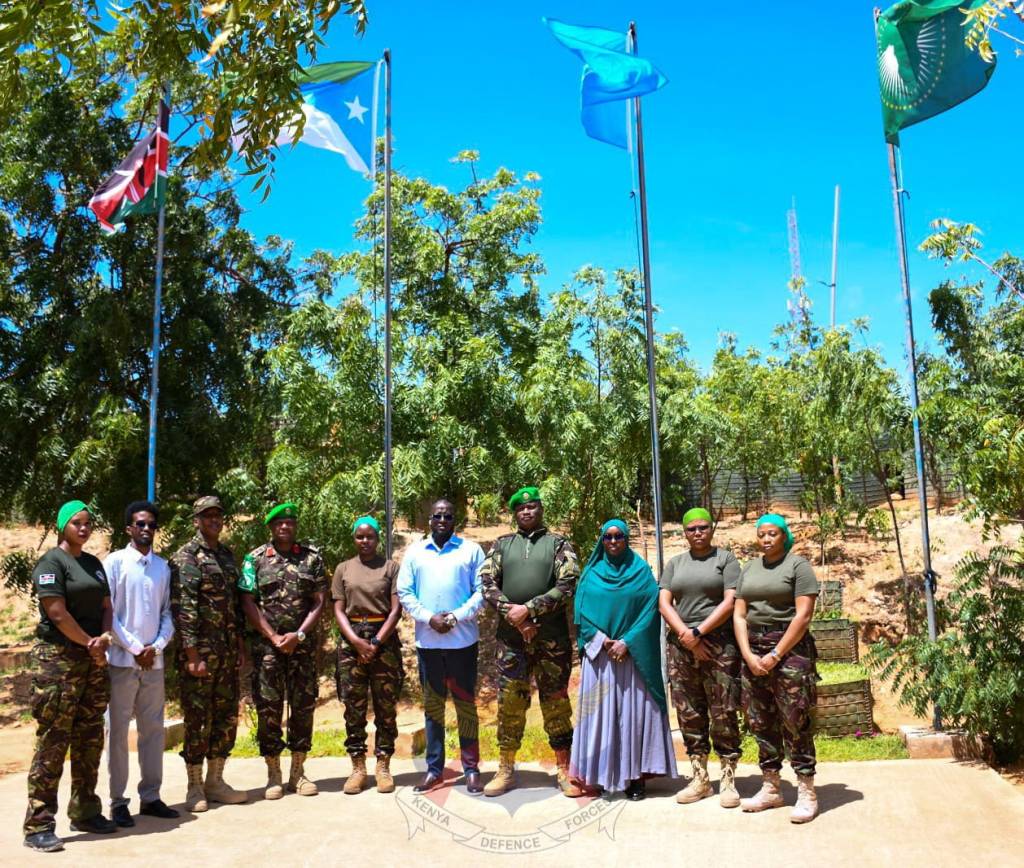
At the Sector II Headquarters in Kismayo, the Sector Commander, Brigadier Joel Maiyo, led a consultative engagement between the KDF Female Engagement Team (FET) and the Jubaland Minister of Education, Mr. Ahmed Naji Haji, and Deputy Minister of Youth and Sports, Ms. Fadumo Ali Abdi Karin. The discussions explored collaborative community outreach programmes aimed at improving access to education, promoting youth development and enhancing the welfare of local communities.
Brigadier Maiyo emphasized the importance of working closely with Jubaland institutions and local communities to ensure that peace support efforts respond to the needs of the people. He noted that empowering women and young people creates stronger families and communities while providing a foundation for lasting peace and stability.
The engagement also explored opportunities to encourage greater participation of girls in sports, support talent development and enhance opportunities for young women pursuing technical and vocational education.
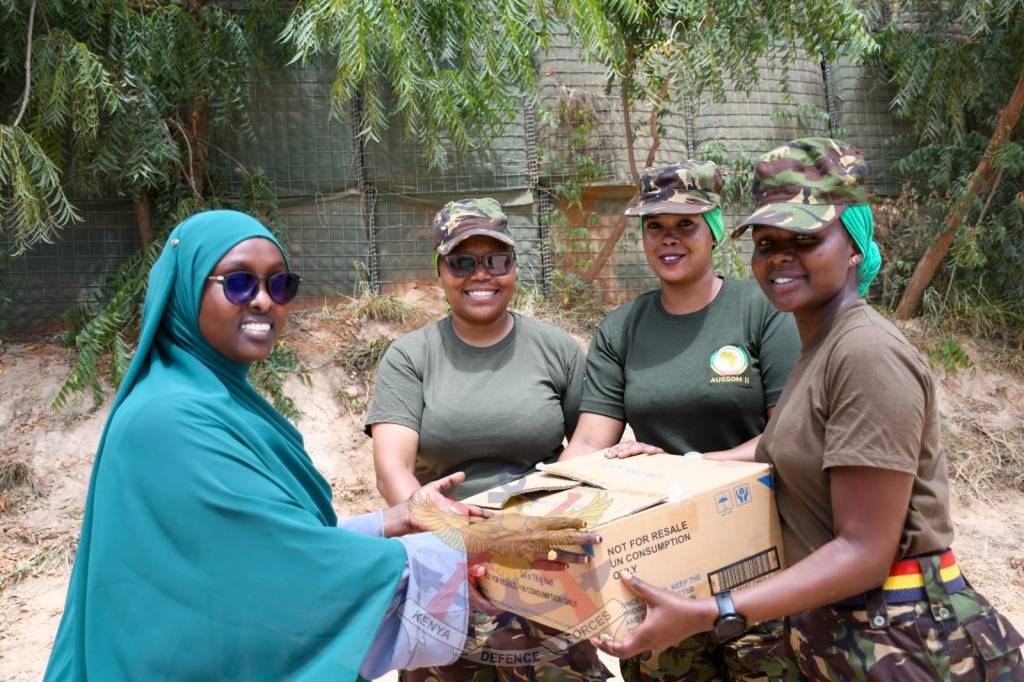
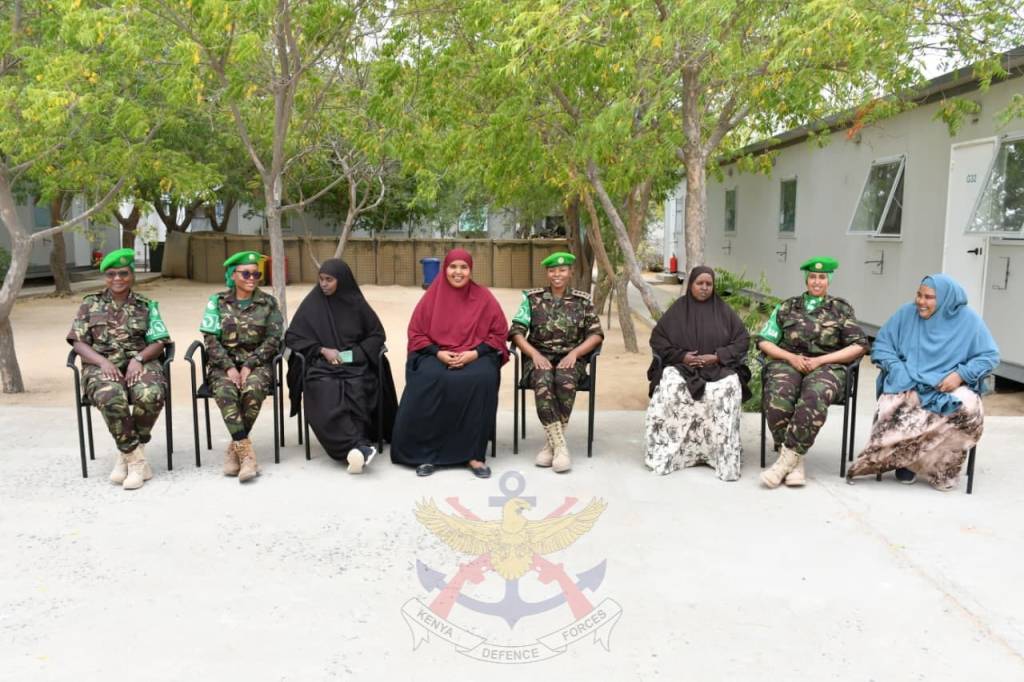
The partnership was further reinforced in Dhobley, where KDF leadership welcomed members of the Dhobley Women Association Group, led by Chairlady Fadumo Yusuf, under the Female Soldiers Empowerment Programme.
This provided an opportunity to exchange experiences, discuss community priorities and explore initiatives aimed at strengthening women’s participation in peacebuilding. Discussions focused on mentorship, leadership development, skills sharing and opportunities to promote sustainable livelihoods.
Through these engagements, KDF personnel under AUSSOM Sector II continue to strengthen trust with local communities and institutions, demonstrating that effective peace support extends beyond security to empowering people to play an active role in shaping their future.
Add Comment