Security extends beyond the protection of lives and property. In communities where livelihoods depend heavily on livestock and access to essential services remains limited, food security, healthcare, economic stability and peaceful coexistence are closely interconnected.
Addressing these needs contributes to stronger, more resilient communities capable of sustaining peace and stability.
Across the Operation Maliza Uhalifu (OMU) area, the Kenya Defence Forces (KDF), working with government agencies, humanitarian organisations and local communities, continues to support initiatives that address immediate humanitarian needs while strengthening community resilience and cooperation.
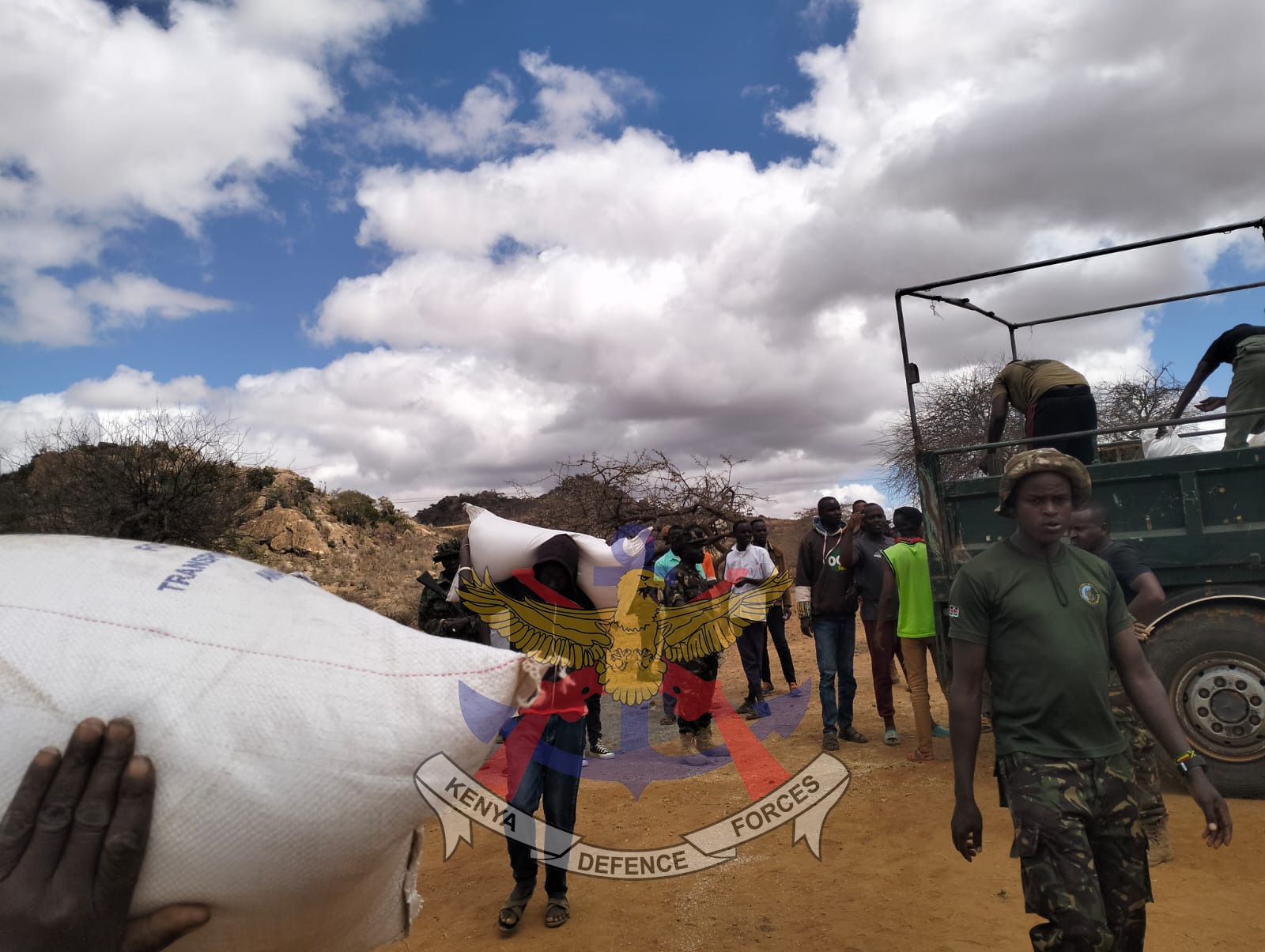
In Laikipia North, Headquarters OMU, in collaboration with Special Programmes and the Kenya Red Cross, facilitated targeted food assistance across nine locations: Mukogodo, Mumonyot, Makurian, Ilpolei, Ildikiri, Ilmotiok, Loiborsoit, Sieku and Aljiju.
The intervention provided much-needed support to households affected by food shortages. Supplies destined for distant locations were handed over to National Government Administration Officers (NGAO) and community representatives to facilitate distribution, while additional assistance reached hundreds of households across selected locations.
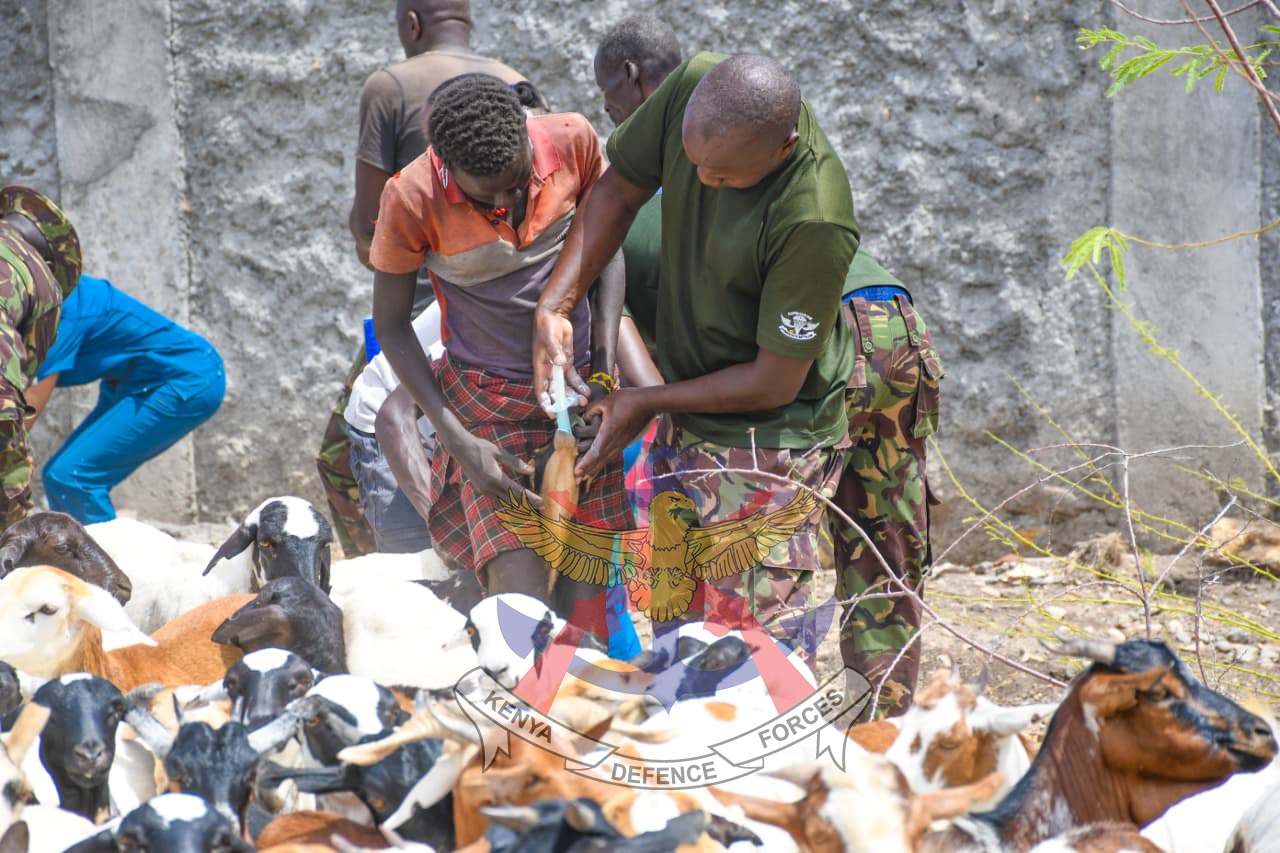
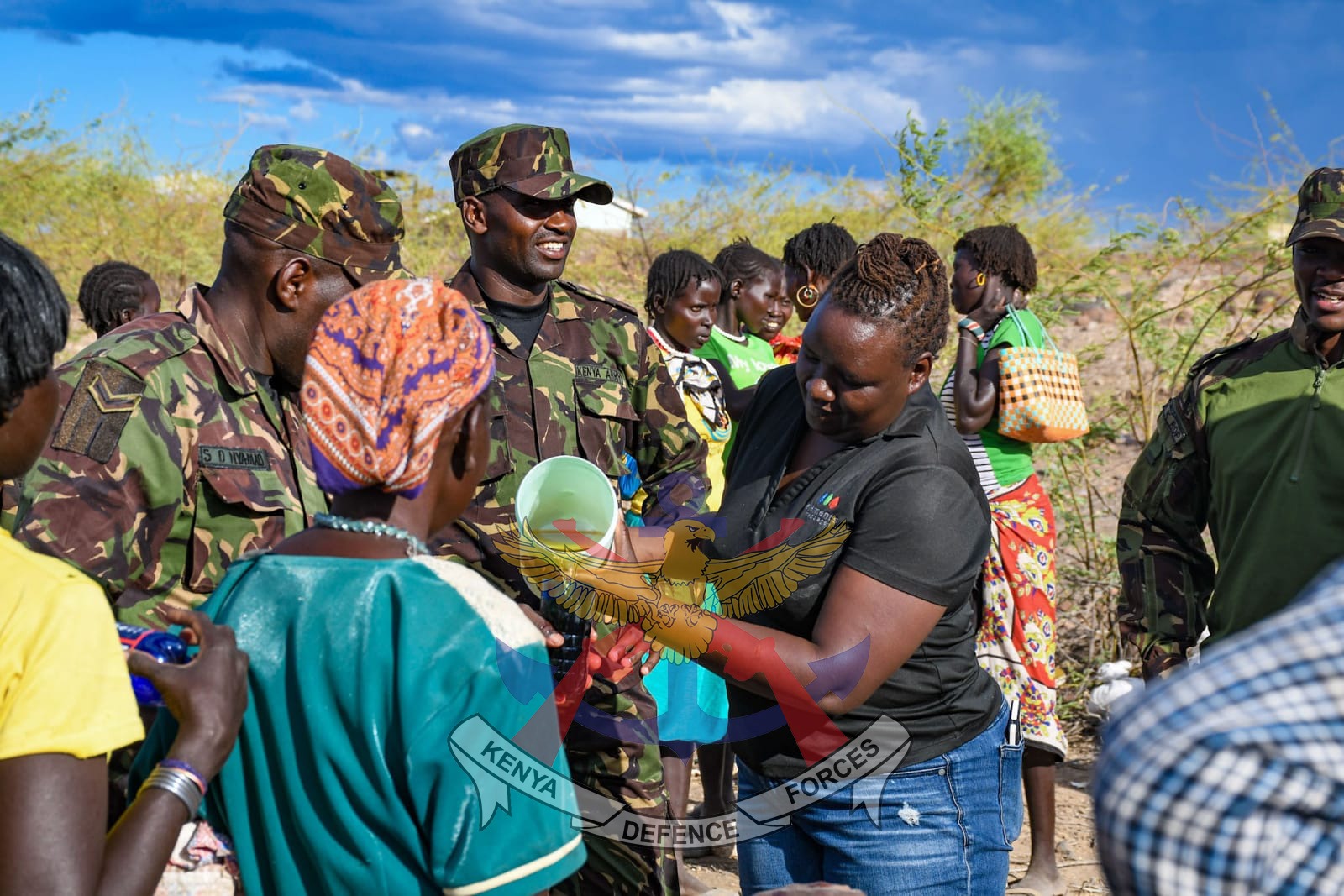
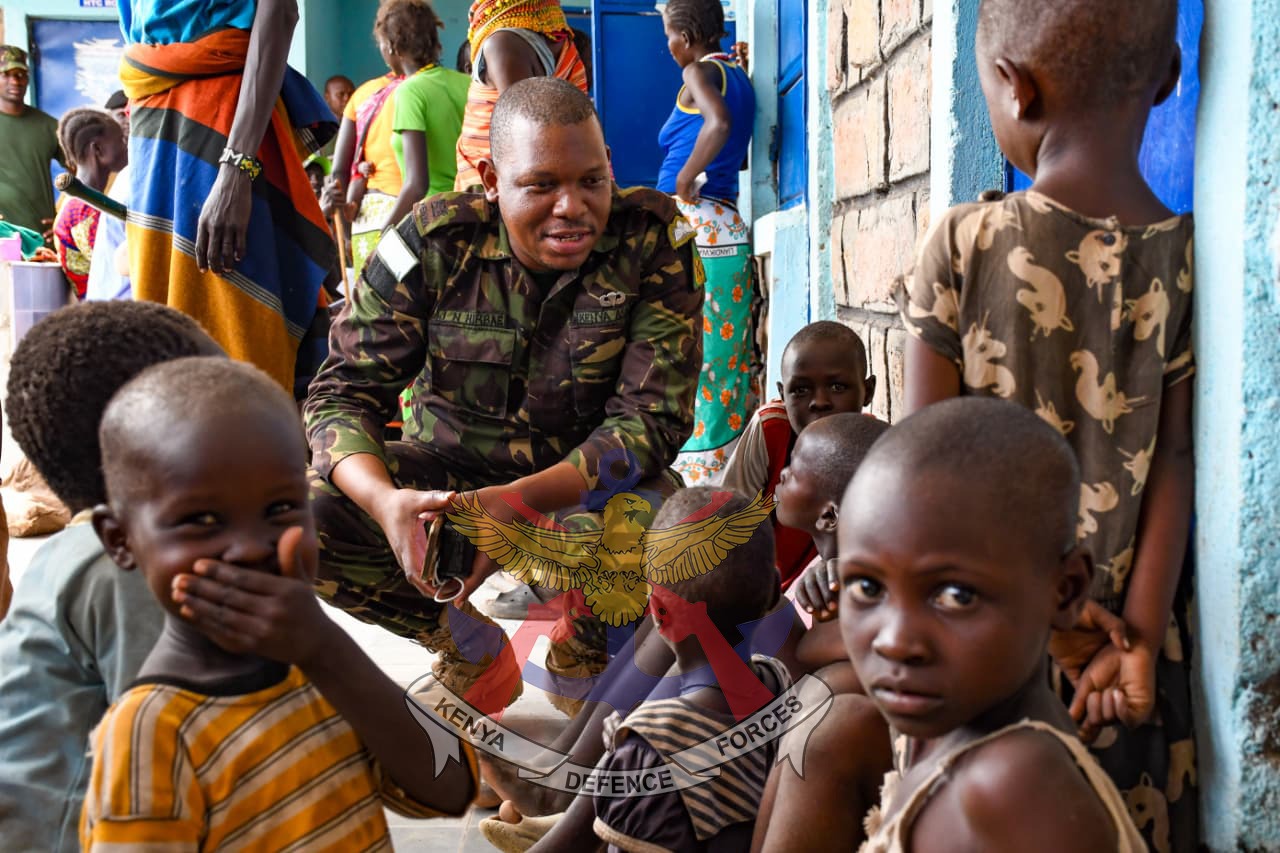
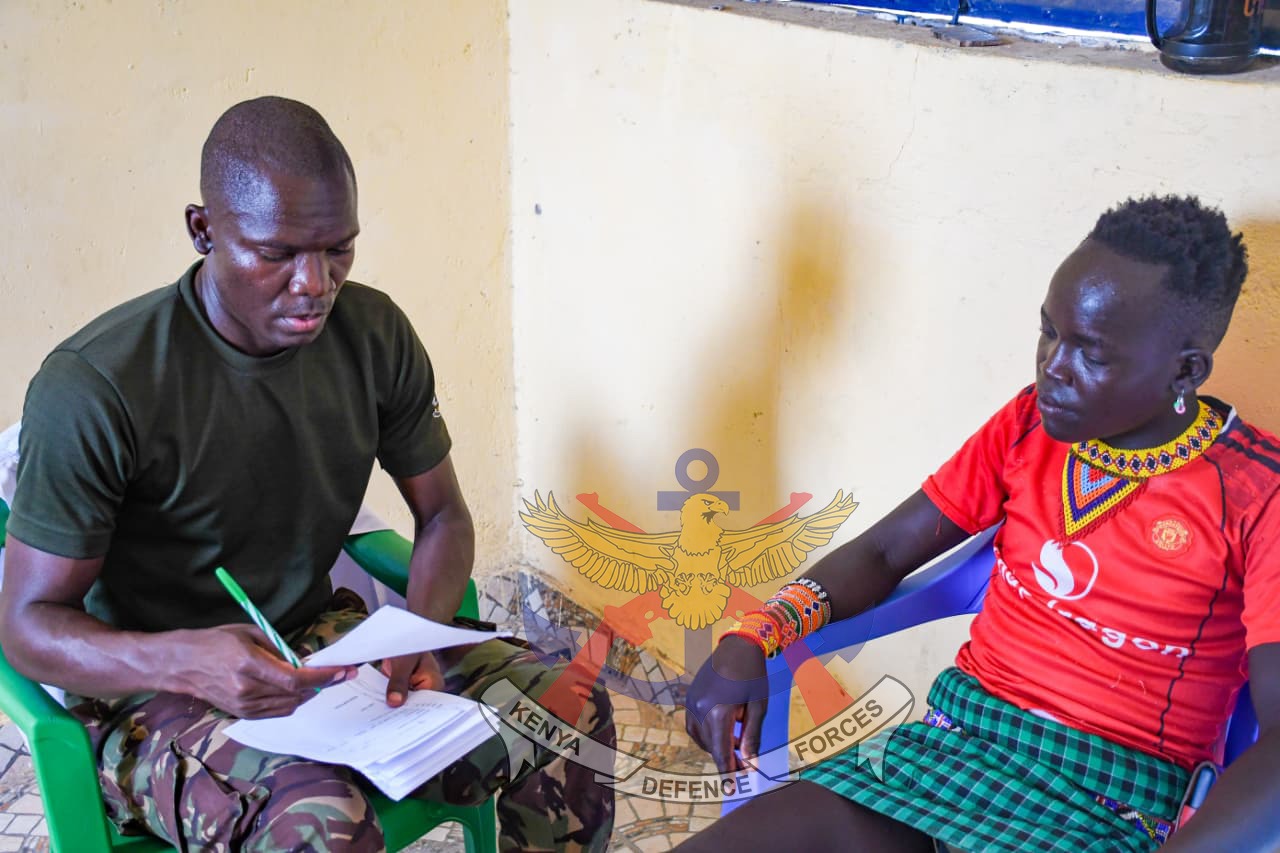
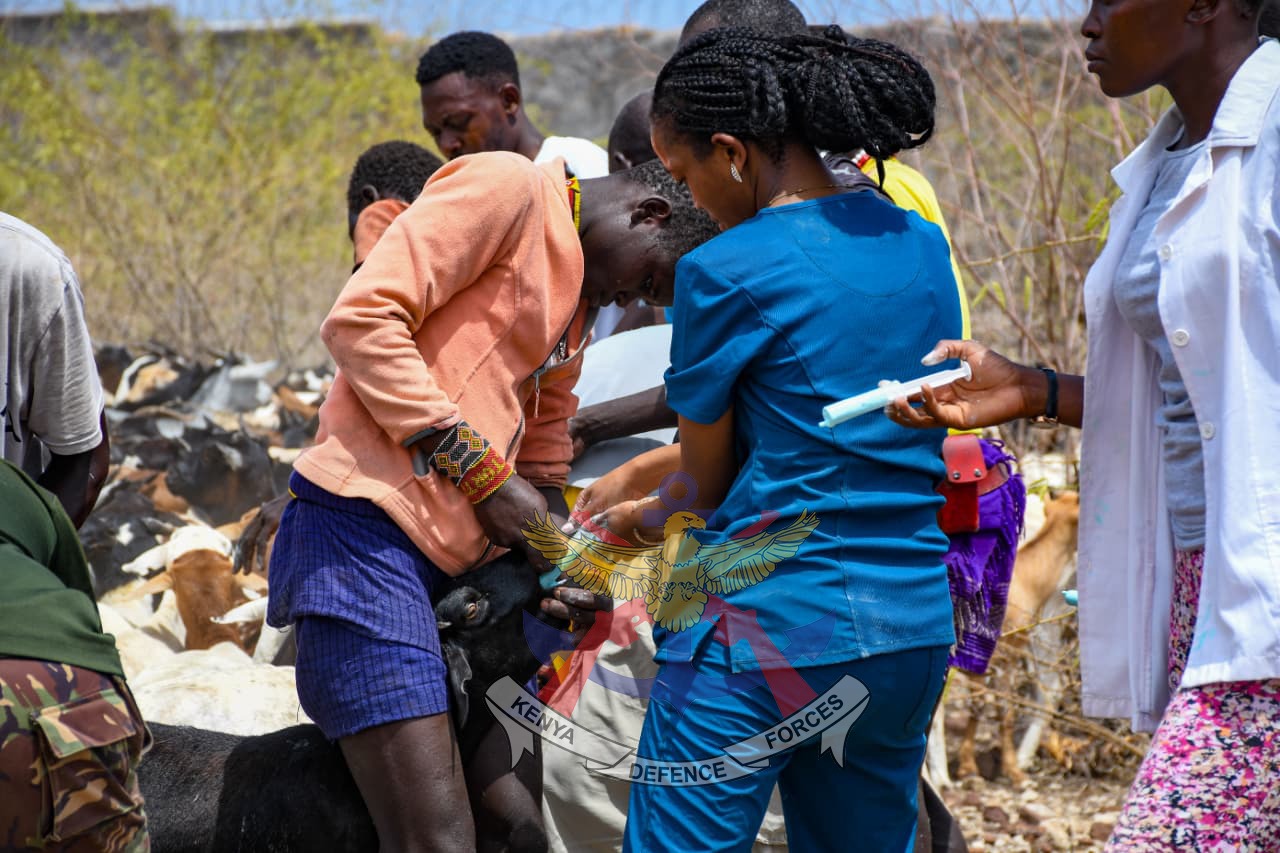
In Napeitom, Turkana County, KDF personnel, in partnership with Medical Missions Africa (MeMA), conducted a comprehensive community outreach integrating medical and veterinary services, humanitarian assistance, child empowerment and peace engagement.
The outreach recognised the close relationship between community well-being, livelihoods and sustainable security. Thousands of livestock were vaccinated against preventable diseases, helping safeguard herds that remain a critical source of food, income and economic security for pastoralist households.
Residents also benefited from medical consultations, treatment and health education aimed at promoting disease prevention, healthy living and timely access to healthcare. Children participated in empowerment activities designed to nurture positive values, confidence and responsibility, while the distribution of assorted food and clothing provided immediate support to vulnerable households.
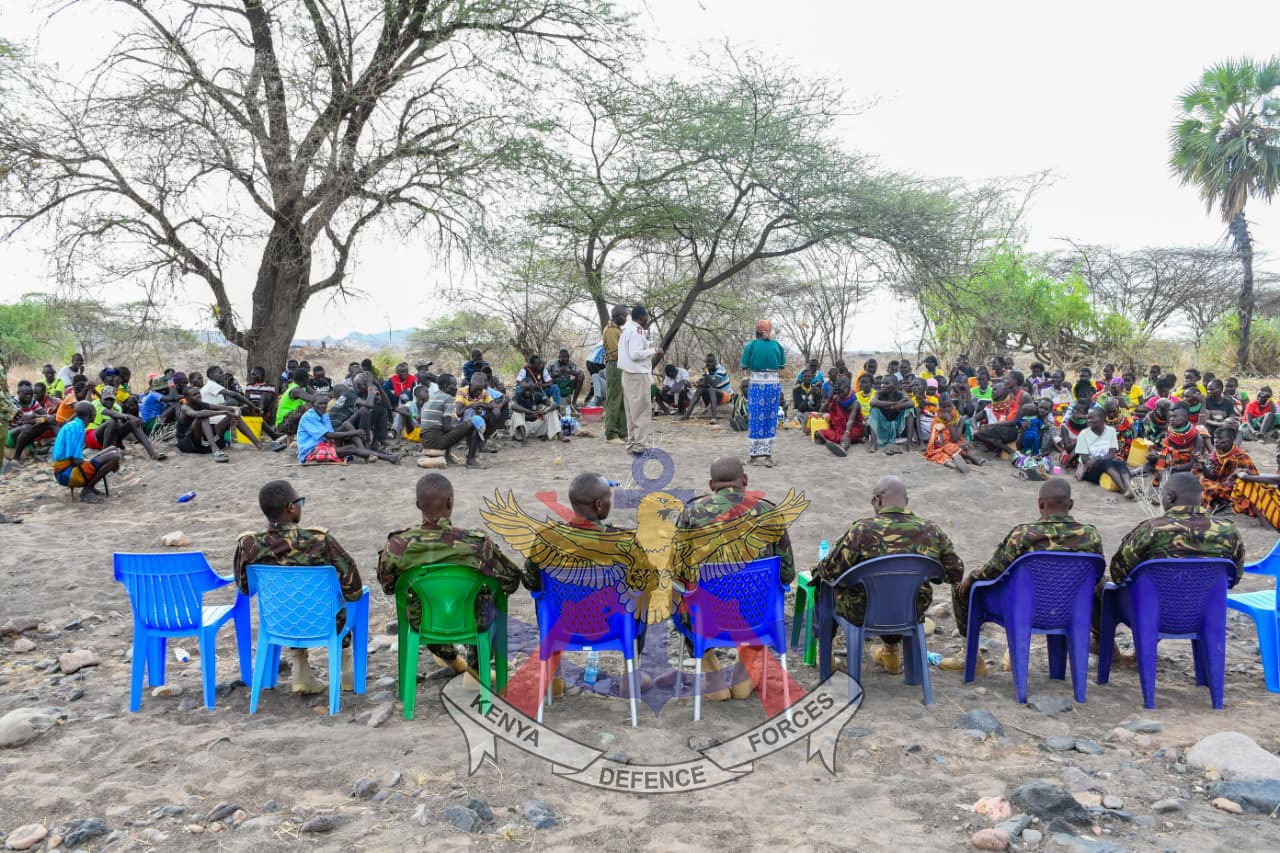
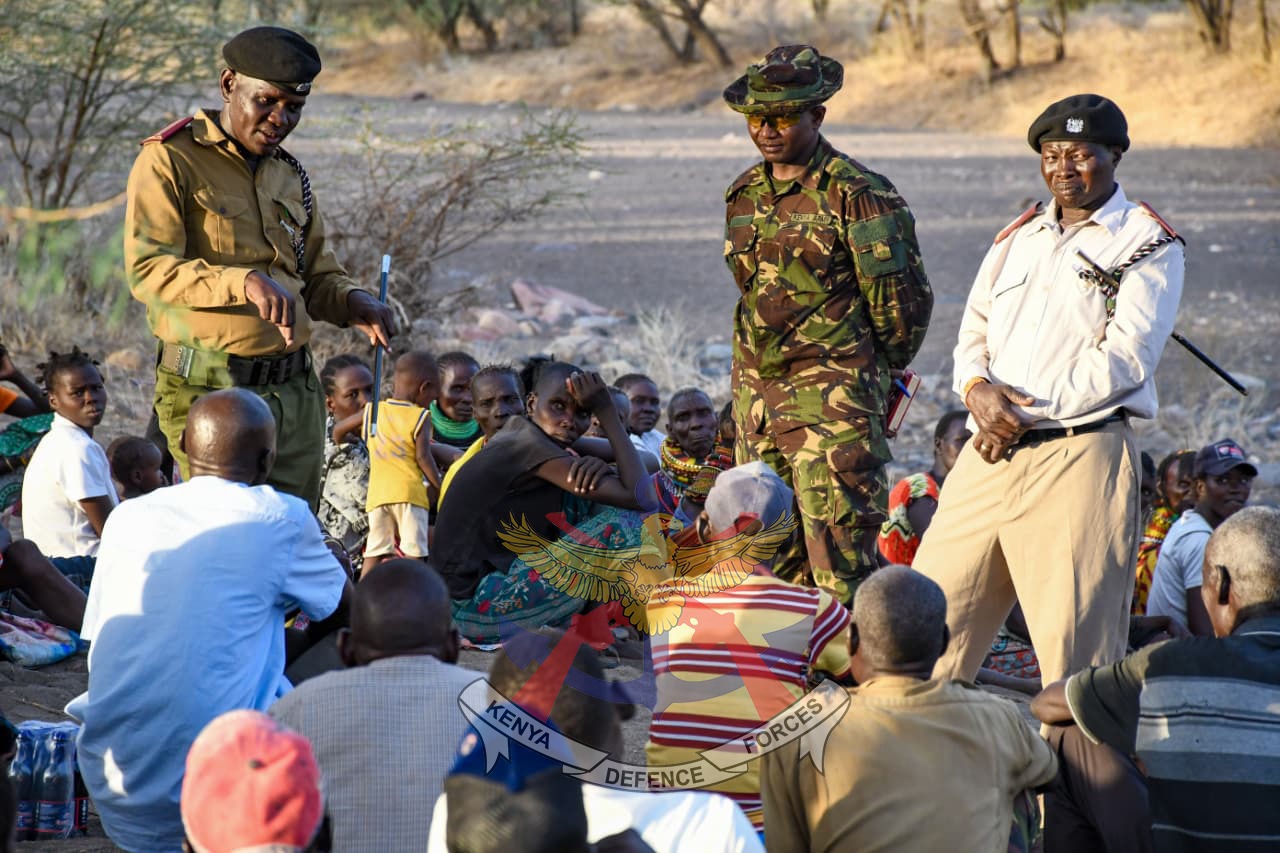
Beyond humanitarian assistance, the engagement created an important platform for dialogue between Turkana and Pokot communities. Discussions focused on security, peaceful coexistence, community cohesion, information sharing and locally driven approaches to addressing insecurity.
A key outcome was the establishment of a community peace committee comprising three Turkana elders, three Pokot elders, area chiefs and KDF commanders. The committee will provide a structured platform for early warning and information sharing, facilitate timely responses to emerging security concerns and strengthen coordinated community action against banditry and other threats to peace.
The integrated approach demonstrates that sustainable security is strengthened when communities are healthy, livelihoods are protected and local structures are empowered to resolve challenges collectively. By combining food assistance, healthcare, livestock protection, humanitarian support, child empowerment and peacebuilding, the engagements are helping strengthen trust, resilience and peaceful coexistence across the OMU area.
Ultimately, protecting livelihoods and strengthening community well-being complement security operations by addressing vulnerabilities that can undermine stability.
Through sustained collaboration with communities and partners, OMU continues to support conditions in which families can recover, livelihoods can thrive and peace can take deeper root.
Add Comment