
Landmines and explosive remnants of war remain among the most persistent obstacles to post-conflict recovery. Long after hostilities have ended, these hazards continue to threaten lives, restrict movement, displace communities and impede the reconstruction of homes, infrastructure and essential services. Their removal is therefore not merely a technical undertaking, but an integral part of restoring security, rebuilding communities and enabling sustainable development.
Effective mine action requires a coordinated approach that connects operational expertise with sound policy, specialised training and strong institutions. Integrating these elements into recovery frameworks is particularly important in urban environments, where explosive hazards can complicate reconstruction and delay the safe return of affected populations.
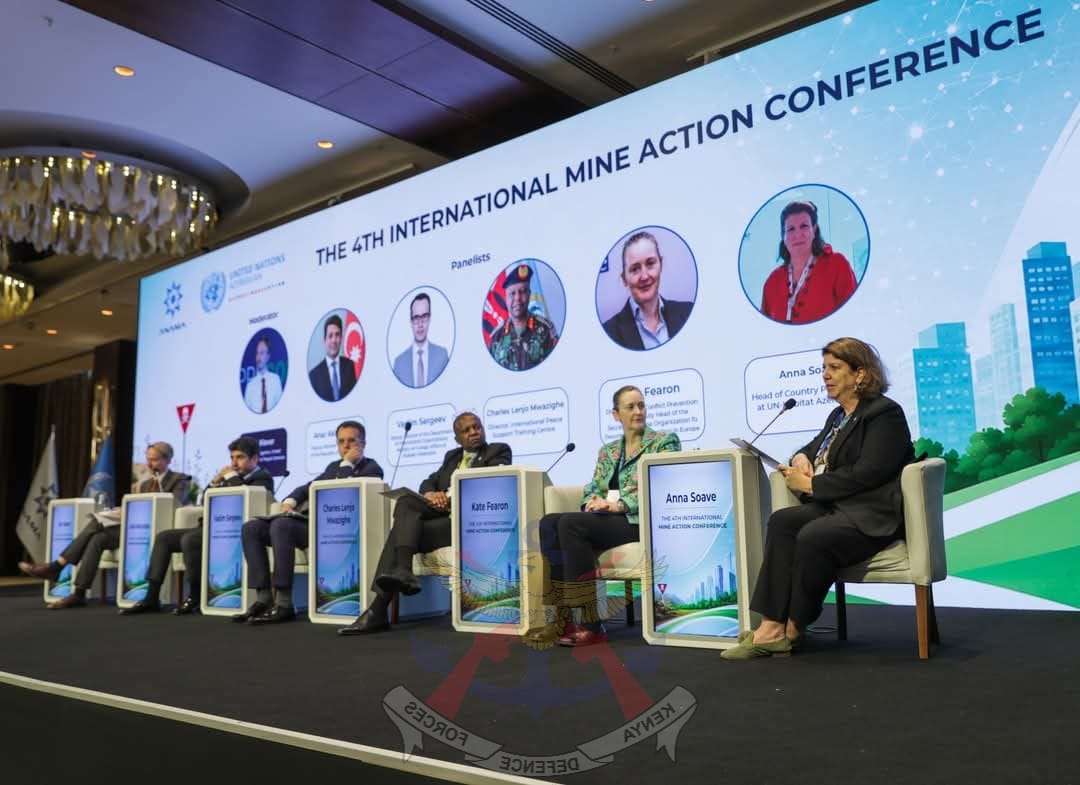
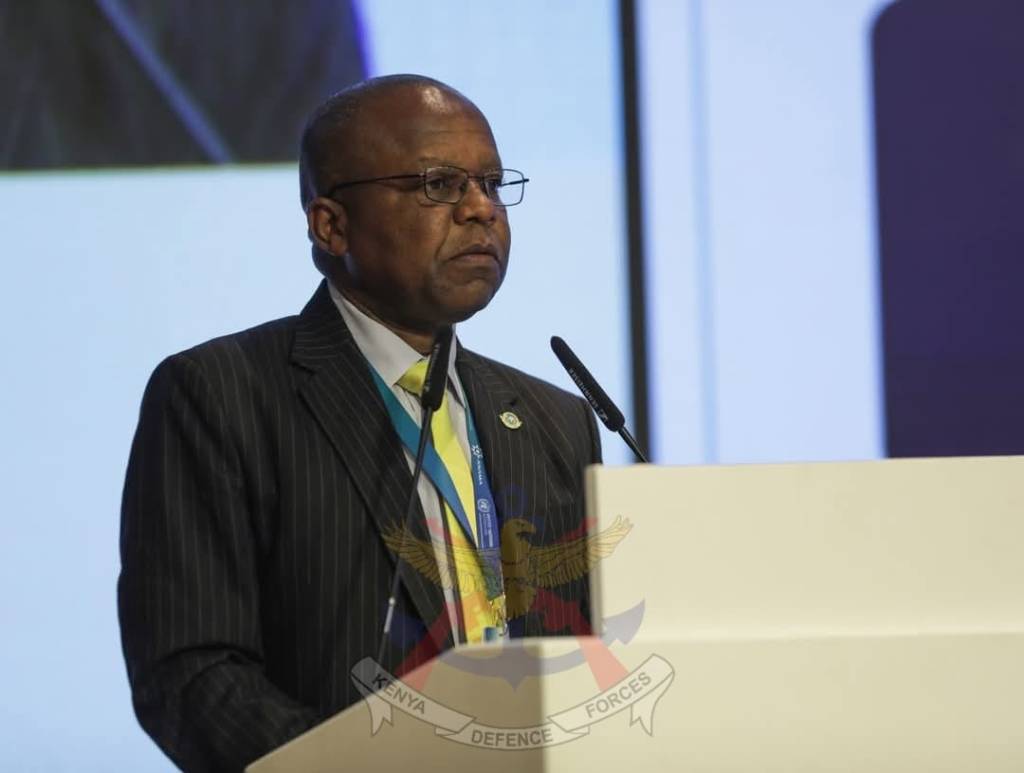
The International Peace Support Training Centre (IPSTC) brought this perspective to the 4th International Mine Action Conference in Baku, Azerbaijan, where its Director, Major General Mwazighe, participated in discussions under the theme “Humanitarian Demining for Urban Recovery: Setting Standards of Excellence for Safe Settlements.”
During a panel discussion on “Policy Integration in Mine-Affected Urban Recovery,” Major General Mwazighe highlighted the importance of translating mine-action policies into practical capabilities through professional training, effective implementation and sustained institutional development.
Drawing from IPSTC’s experience in preparing personnel for peace support operations, he underscored the need for training systems that equip personnel to operate safely and effectively in environments affected by mines, unexploded ordnance and other explosive hazards.
The discussions also highlighted operational environments in which Kenya Defence Forces personnel undertake mine action and explosive hazard management tasks. Such experiences provide valuable lessons on the relationship between policy, preparedness and operational effectiveness, particularly where explosive threats directly affect both security operations and civilian populations.
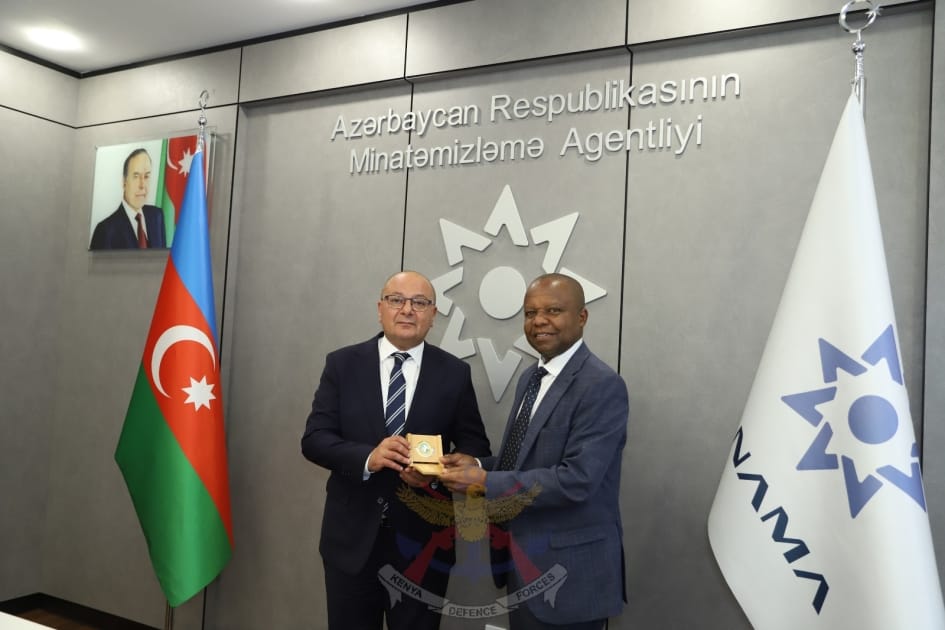
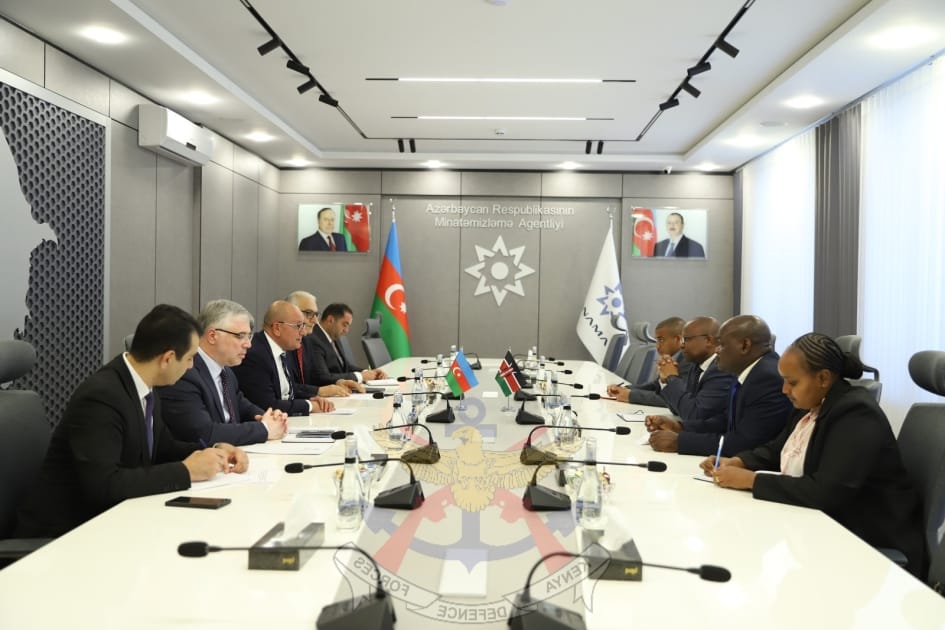
Beyond the conference sessions, Major General Mwazighe held bilateral engagements with the senior leadership of the Azerbaijan National Agency for Mine Action (ANAMA). Discussions explored opportunities for cooperation in mine action, specialised training, capacity building and the exchange of professional expertise.
International partnerships remain particularly valuable in mine action because explosive hazards transcend the immediate security environment in which they are found. Sharing lessons, harmonising standards and strengthening institutional networks allow countries and training institutions to develop more effective approaches to detection, clearance, risk reduction and post-conflict recovery.
For IPSTC, participation in the Baku conference further strengthens its position as a platform for developing professional capabilities required for increasingly complex peace and security environments. Its contribution extends beyond preparing personnel for deployment to advancing the policies, standards and institutional partnerships that underpin effective peace support operations.
As conflicts increasingly affect densely populated areas, mine action will remain central to humanitarian protection and urban recovery. Clearing explosive hazards creates more than safe ground; it restores access to homes, schools, healthcare facilities and livelihoods while creating conditions for displaced populations to return and communities to rebuild.
By advancing policy integration, professional training and international cooperation, IPSTC continues to contribute to a broader global objective: transforming mine-affected environments into safe spaces where recovery can take root and communities can rebuild with confidence.
Add Comment