
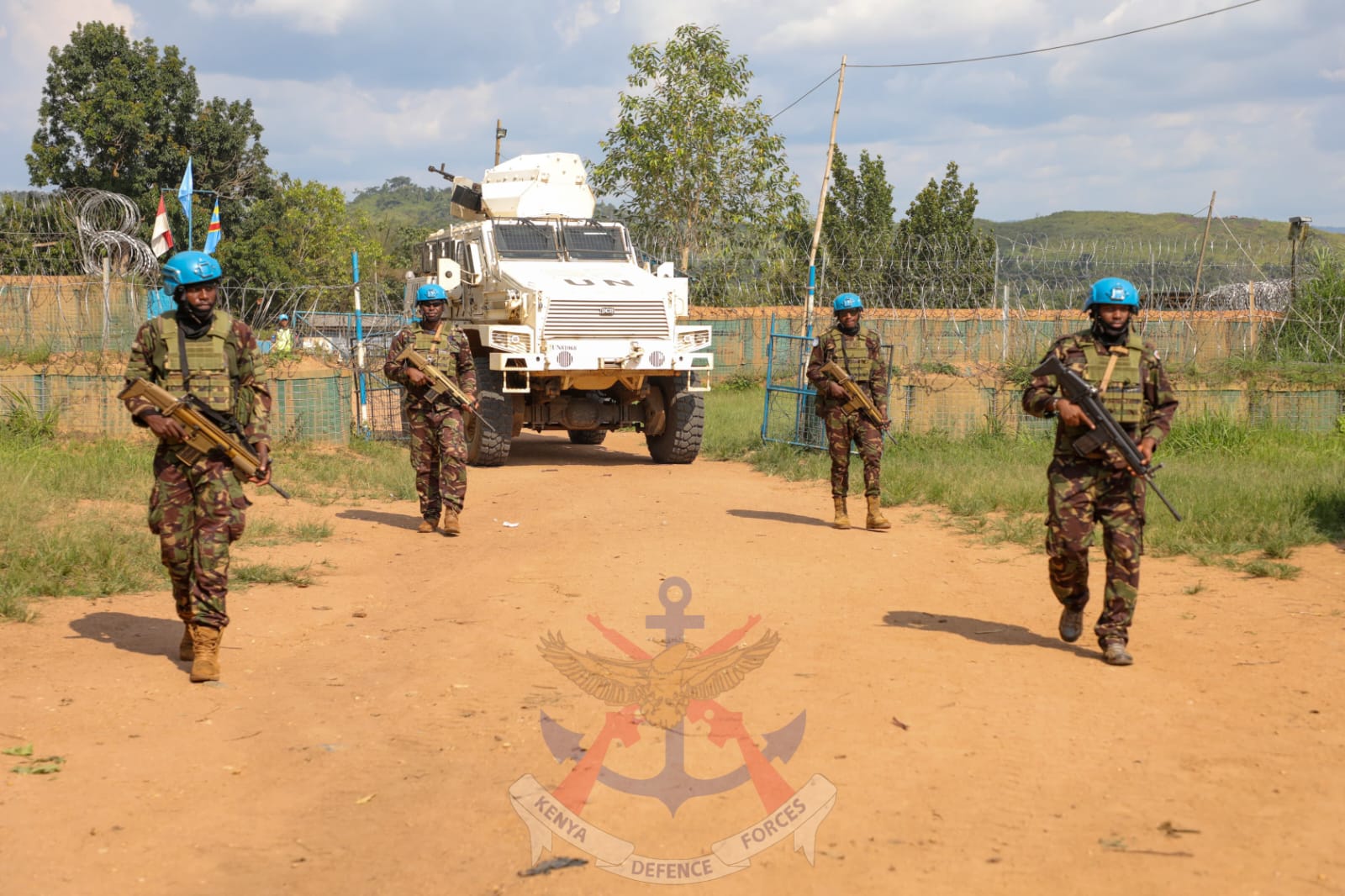
A threat in Ituri province is never a distant affair for peacekeepers based in North Kivu. Instability rarely respects administrative boundaries, and armed groups operating in one area often pivot, resupply or expand into adjacent territories with little warning. For MONUSCO’s Quick Reaction Forces, the appearance of illegal armed factions in Ituri signals a direct risk to civilian populations that may soon spill over or inspire copycat violence in their own sector. The mandate to protect civilians is not geographically fixed; it is triggered by imminent danger, regardless of provincial boundaries.
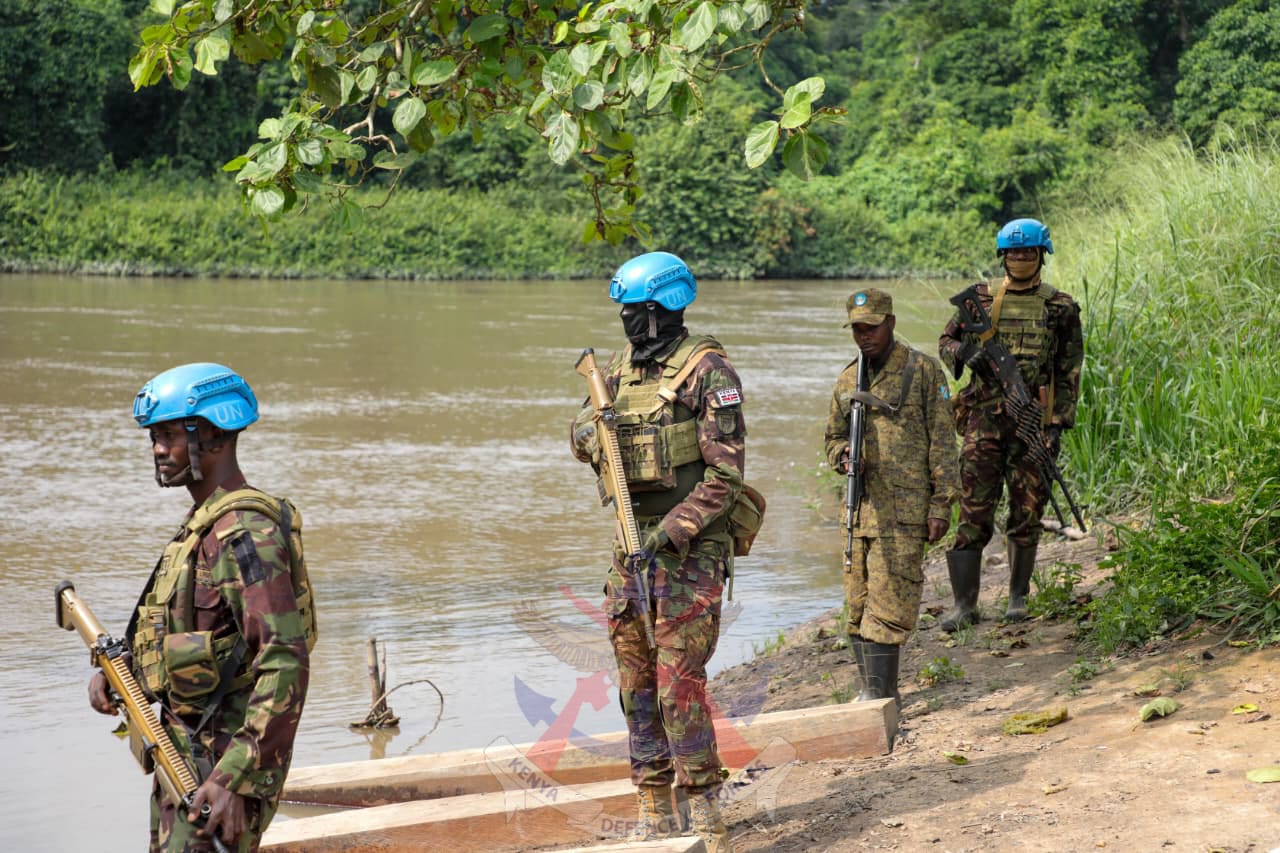
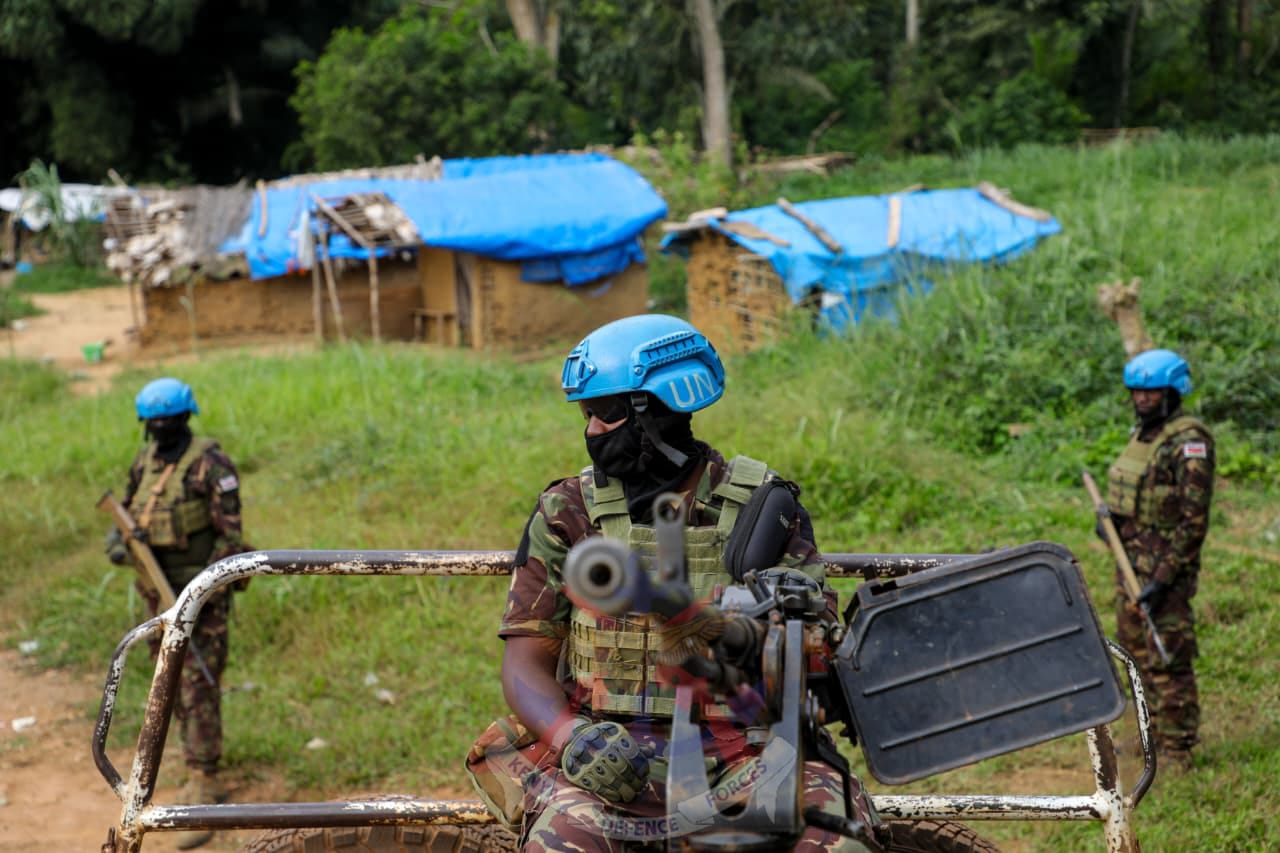
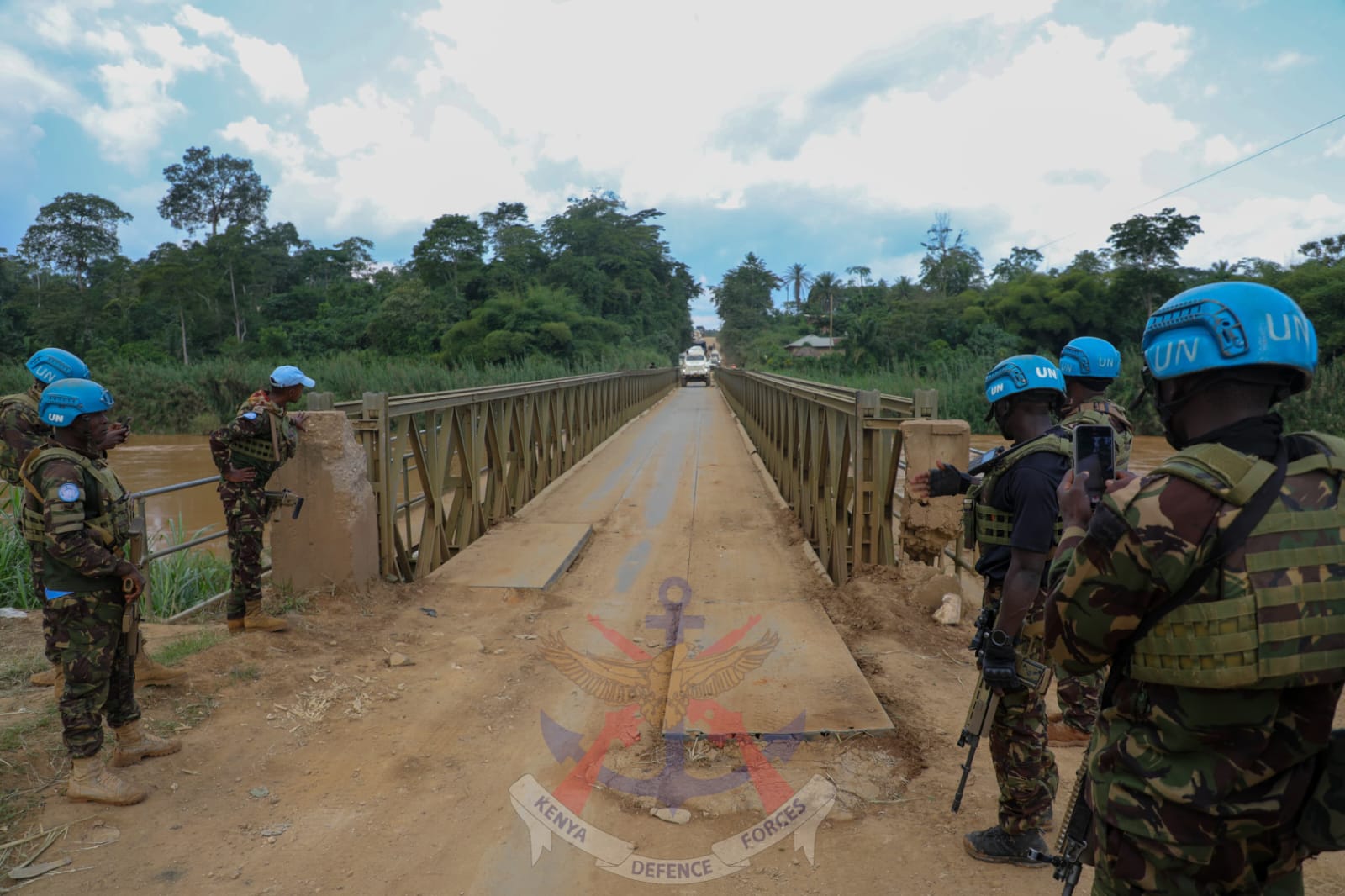
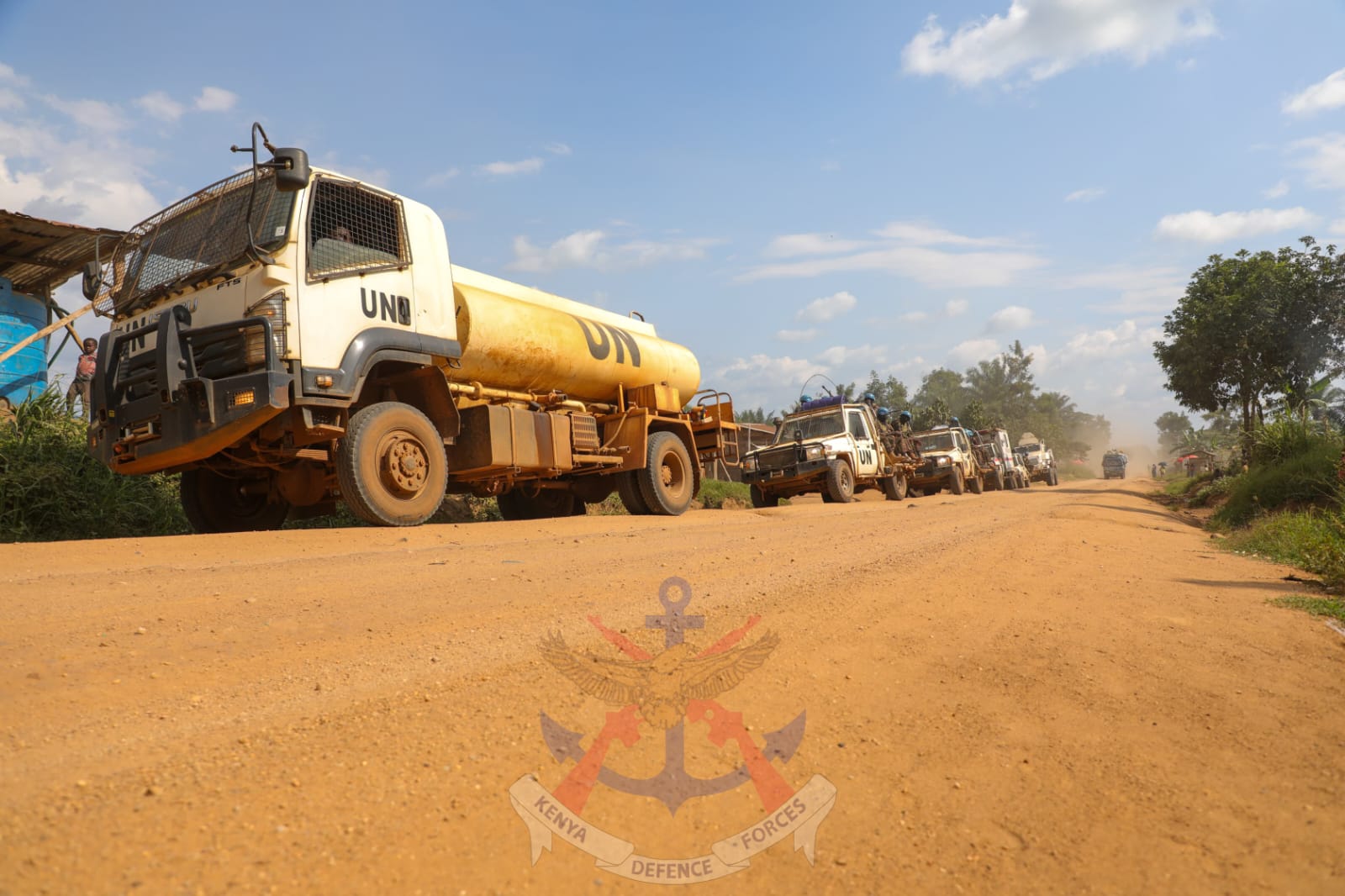
The recent deployment of Kenya’s 5th Quick Reaction Force to Mambasa territory, 200 kilometres from their Mavivi Permanent Operating Base, represents a calculated shift from reactive posture to proactive presence. Establishing a Static Combat Deployment (SCD) at that distance is a doctrinal evolution. By placing troops closer to the reported threat, the force compresses the decision-to-action timeline from hours to minutes. This proximity allows for real-time intelligence gathering, quicker verification of civilian distress calls and immediate intervention before attacks occur. The SCD transforms the QRF from a distant reserve into a visible deterrent, signalling to armed groups that sanctuary no longer exists in remote pockets of Ituri.
Beyond speed, the operation enables targeted offensive operations that would be impractical from Mavivi. Long-range patrols often arrive after perpetrators have fled, but forward positioning permits sustained pressure on hostile networks.
The force can conduct deliberate clearance operations, disrupt supply routes and deny freedom of movement to militia elements—all while maintaining a protective cordon around vulnerable villages. This dual capability—offensive against threats, defensive around people—is the essence of the protection mandate. It shifts the tactical balance from chasing shadows to dominating ground where civilians live, work and farm.
Crucially, the deployment deepens collaboration with local security forces who possess intimate knowledge of the terrain. These local counterparts are not merely auxiliary; they are essential guides who can distinguish between combatants and non-combatants, interpret subtle warnings in village chatter, and advise on culturally sensitive engagement. By embedding cooperation at the static deployment site, MONUSCO leverages indigenous expertise to pre-empt attacks rather than simply respond to them. This partnership also builds local ownership of security, reducing long-term dependency on foreign troops and reinforcing the state’s primary responsibility to protect its citizens.
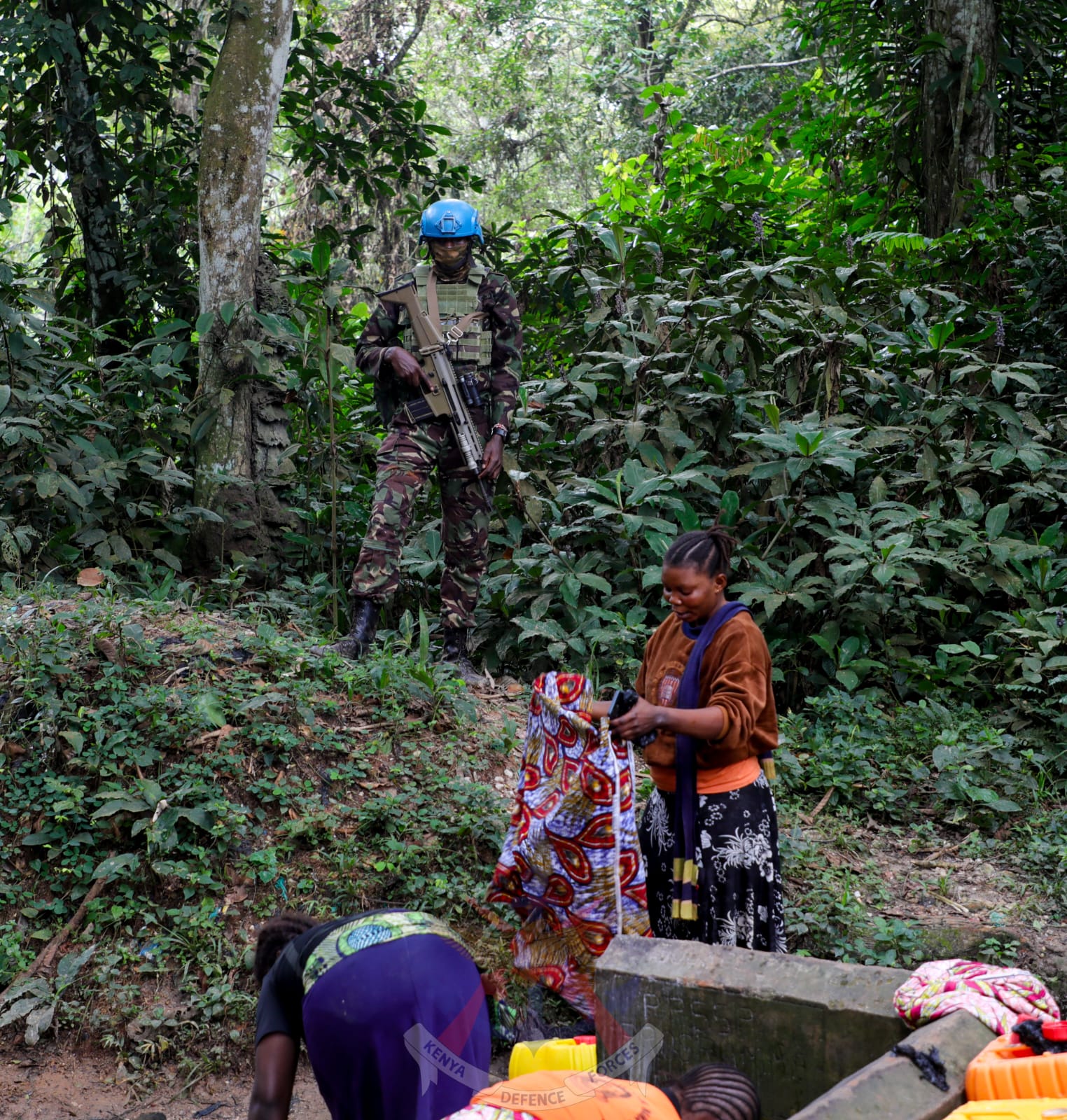
The most tangible outcome has been the restoration of civilian confidence. Small-scale markets have reopened, women can confidently fetch water and firewood from vulnerable locations, children have returned to schools and farmers have ventured farther into fields that were previously no-go zones. This resumption of socio-economic life is not a passive byproduct; it is the core metric of success. When people resume daily routines, they signal that fear has receded—and fear recedes only when protection is credible, consistent and close. The SCD in Mambasa therefore does more than safeguard lives in one territory; it demonstrates that MONUSCO’s commitment is portable, persistent and proportional to the threat, reaffirming that no civilian in the DRC should feel abandoned simply because violence flares beyond an arbitrary administrative line.
Add Comment