

Contemporary security challenges are increasingly shaped by activities that operate below the threshold of conventional conflict, demanding deeper understanding, comparative analysis, and strategic foresight. It is against this backdrop that the National Defence College (NDC), Kenya, in collaboration with Charles University, Czech Republic, convened the Second NDC–Charles University Workshop on “Grey Zone Operations in the 21st Century in Europe and Africa” on 7 September 2026 at the National Defence College, Kenya.
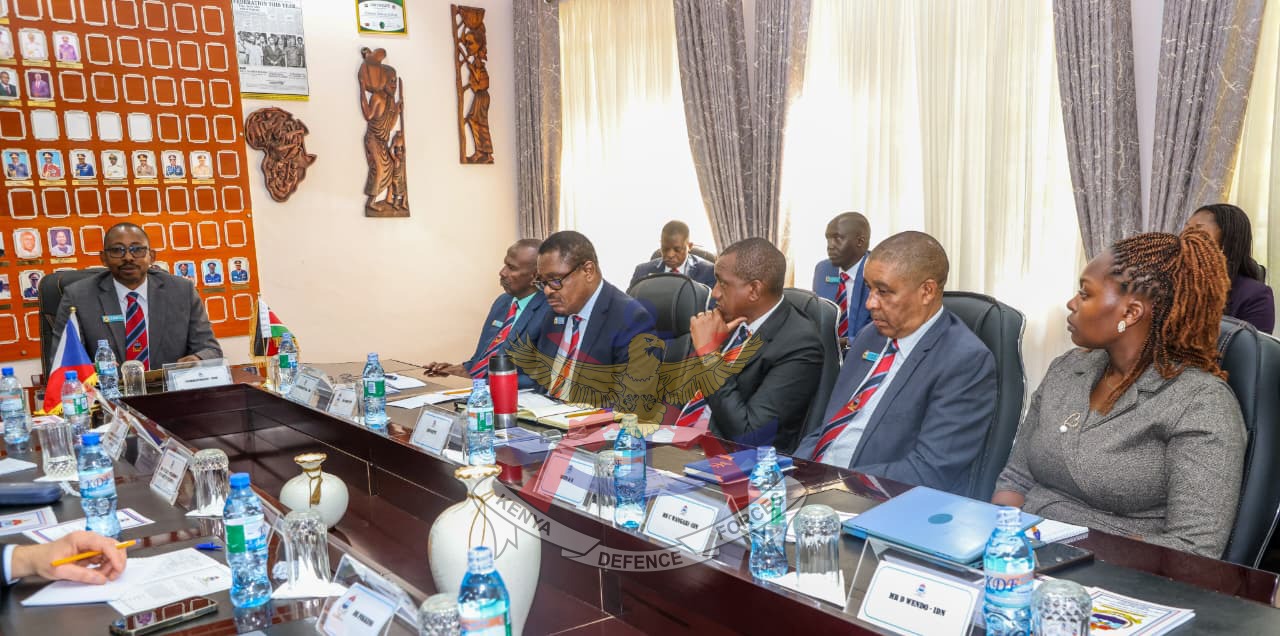
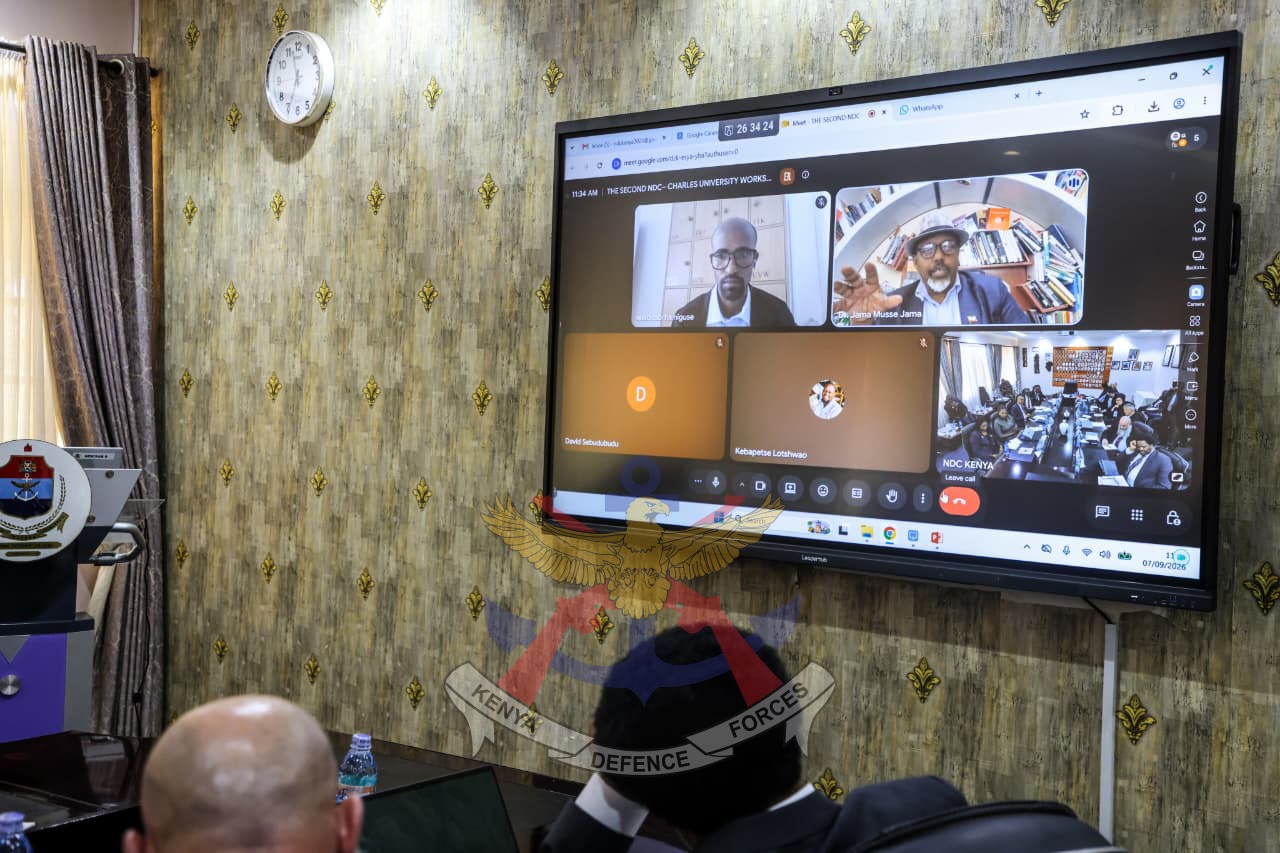
The workshop, officially opened by the Commandant NDC, Lieutenant General Juma Mwinyikai, brought together scholars, researchers, and practitioners from Kenya, the Czech Republic, South Africa, and Somaliland, with participants from Botswana and Ethiopia joining virtually. The increased participation compared to the previous edition reflected the expanding scope of the workshop as a platform for strategic dialogue and comparative understanding of emerging security challenges.
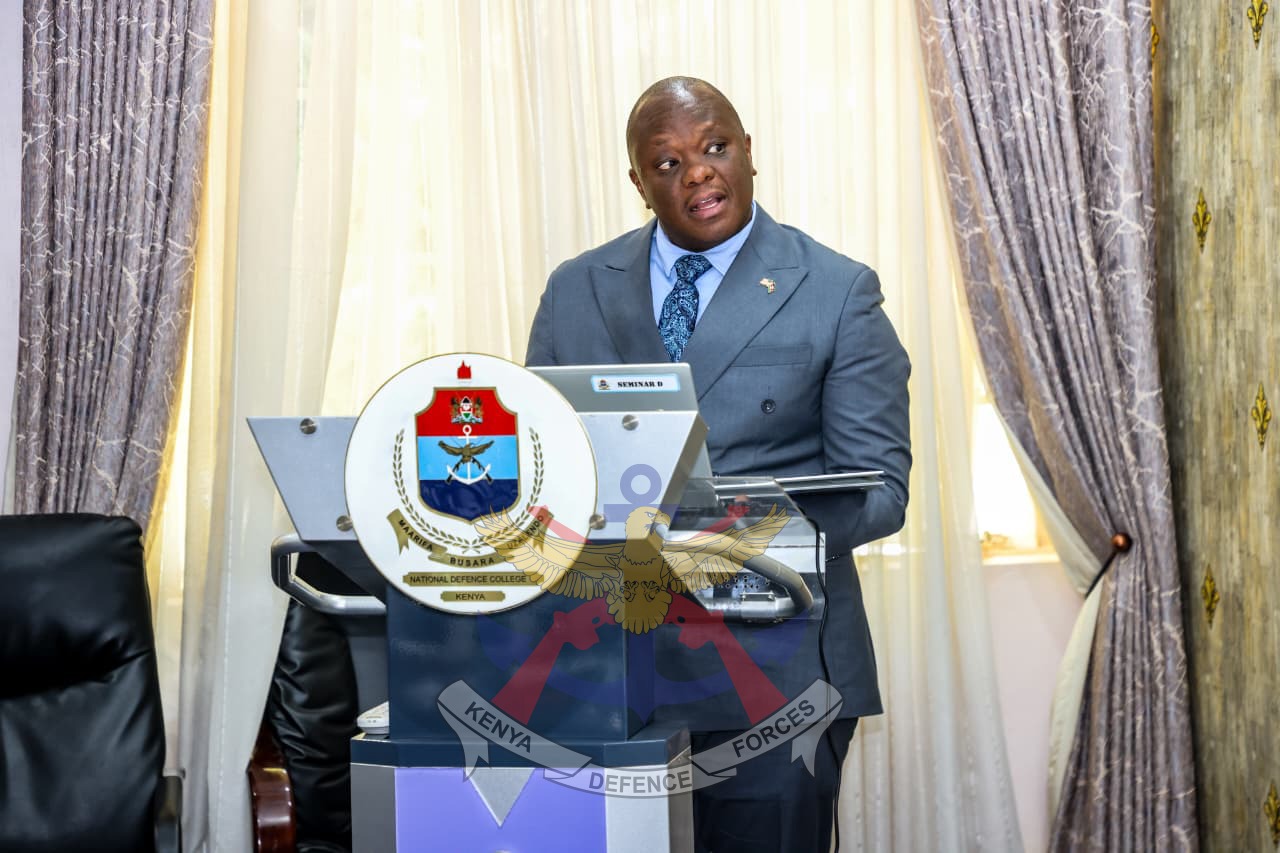
In his opening address, the Commandant underscored the importance of sustained intellectual collaboration in understanding and responding to complex national, regional, and international security challenges. He noted that the growing participation of scholars, researchers, and practitioners from different institutions and regions was enriching the platform for comparative analysis and strengthening the partnership between NDC and Charles University.
“Complex strategic challenges are not adequately understood from a single institutional, professional, or geographical perspective. They require sustained partnership among scholars, practitioners, policy actors, and strategists to interrogate assumptions, compare experiences, identify emerging trends, and develop strategic options grounded in evidence and informed by different regional realities,” Lt Gen Mwinyikai noted.
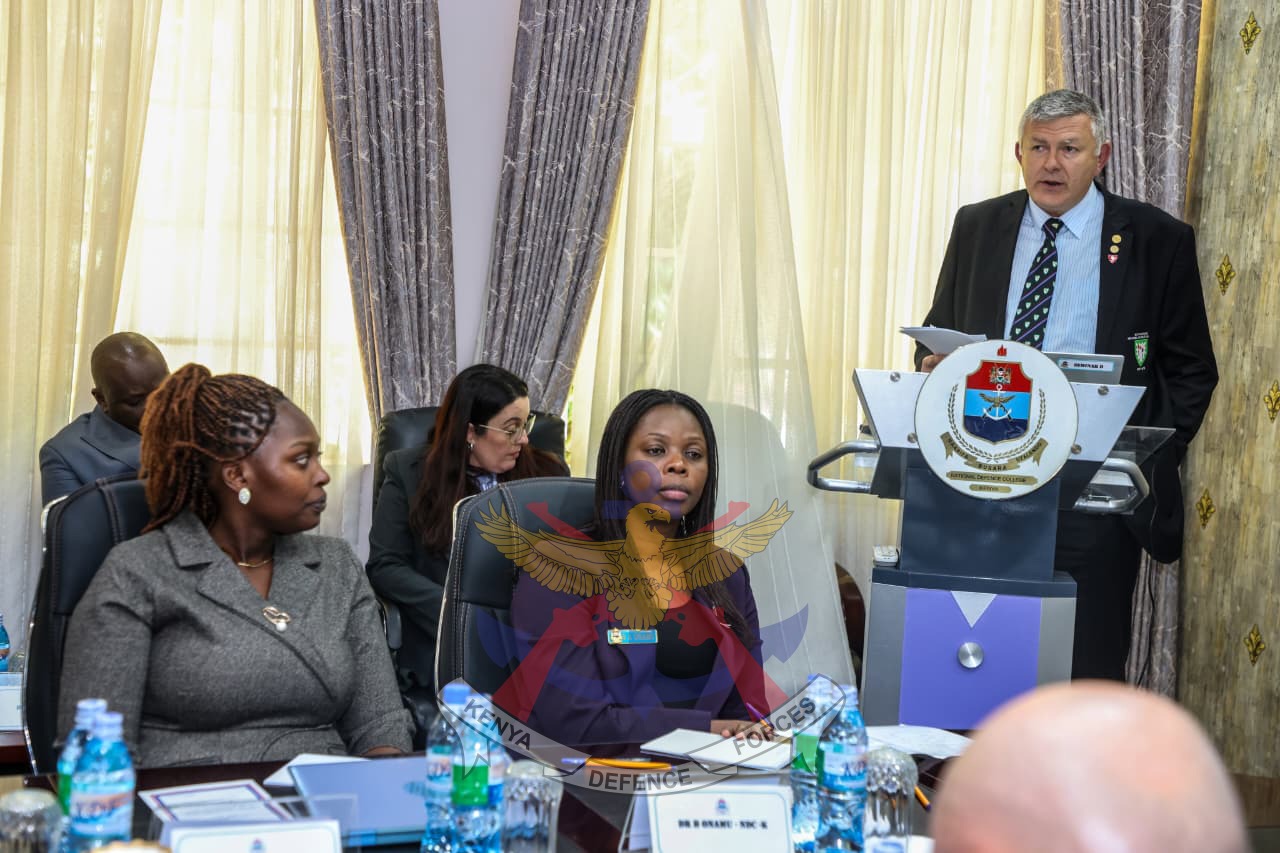
Through expert presentations and panel discussions, participants examined European experiences of grey zone operations and their relevance to Africa, the implications of disinformation and hybrid threats for stability in the Horn of Africa, and the impact of disinformation on political stability in Southern Africa.
A key theme emerging from the discussions was that although grey zone activities may employ similar instruments across different regions, their effects are often shaped by distinct political, social, technological, and institutional environments. Comparative analysis therefore provides an opportunity not only to transfer lessons, but also to interrogate their relevance and determine how they can inform responses to national and regional security challenges.
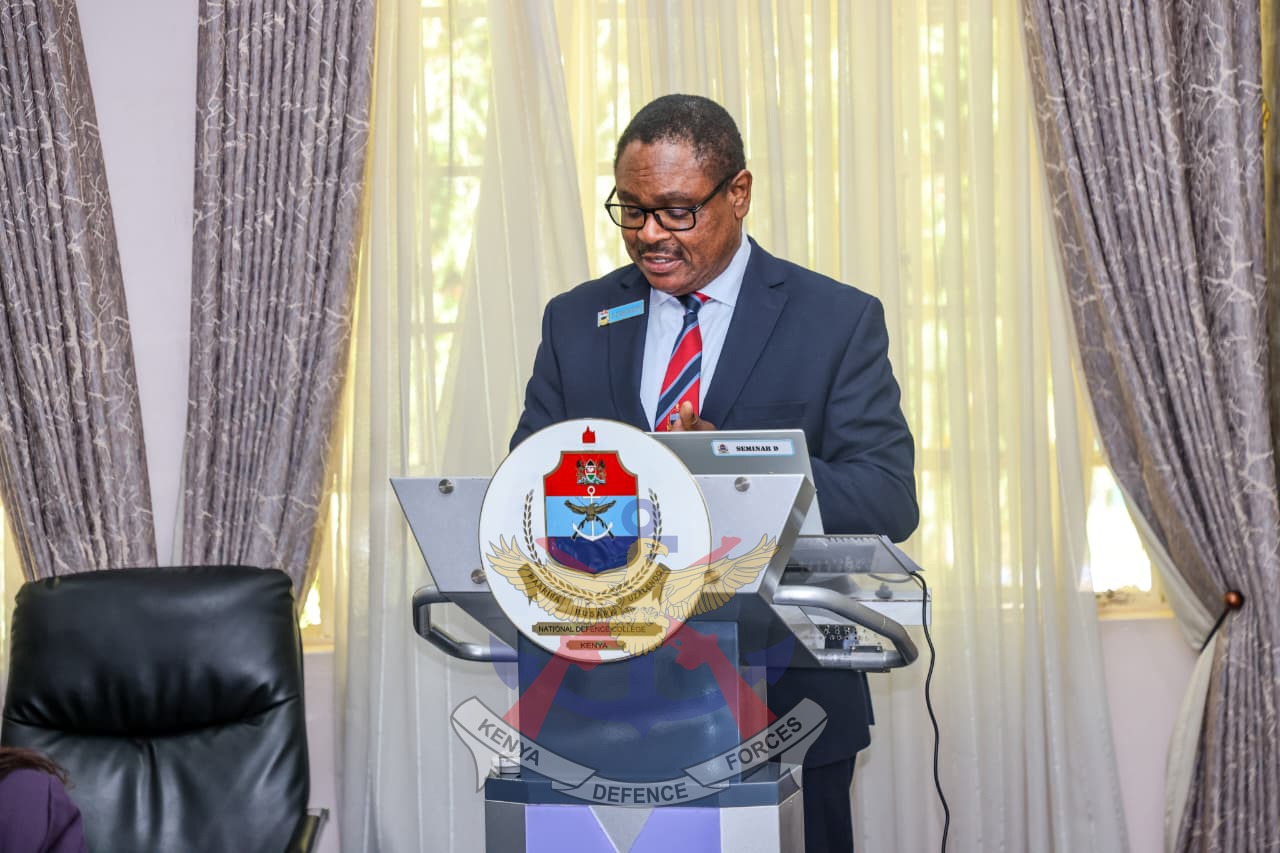
In his closing remarks on behalf of the Commandant, the Deputy Commandant–Civil, Ambassador Simon Nabukwesi, emphasised the importance of sustained collaboration, knowledge-sharing, and adaptability in addressing emerging security challenges. He urged participants to continue sharing ideas and experiences beyond the workshop, noting that collective voices and shared understanding could contribute to stronger policy alignment among African states and enhance the continent’s influence through regional and international platforms.
Citing the need for continuous learning and strategic thinking, Ambassador Nabukwesi encouraged participants to remain adaptable in developing responses to evolving threats. He also proposed consideration of a broader international conference on Grey Zone Operations in the 21st Century, bringing together perspectives from across Africa and beyond.
As the NDC–Charles University partnership continues to mature, the collaboration is expected to expand its international reach, creating broader opportunities for scholars, researchers, practitioners, and policy actors from other regions to contribute to comparative analysis and collective understanding of contemporary and emerging security challenges.

Add Comment