
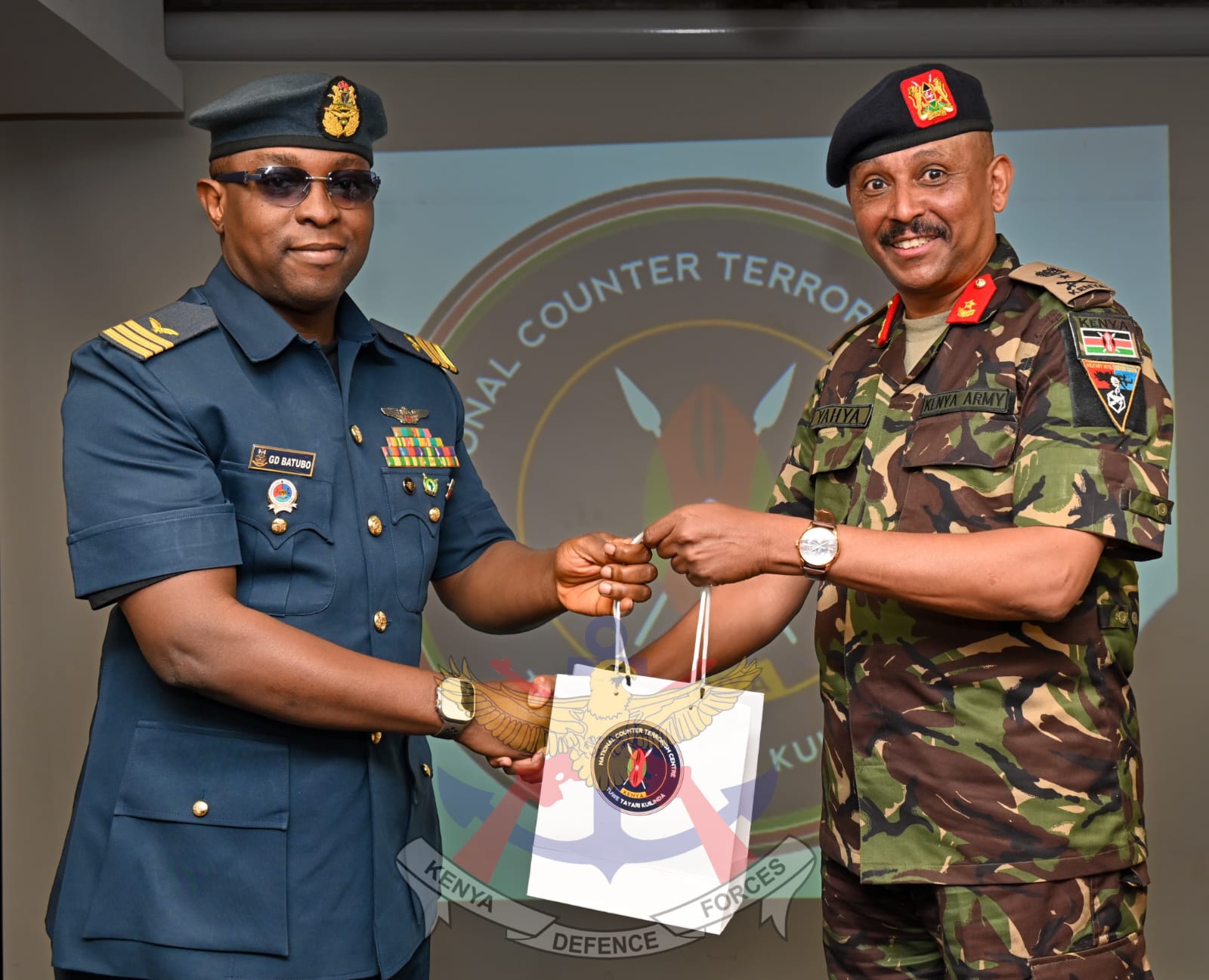
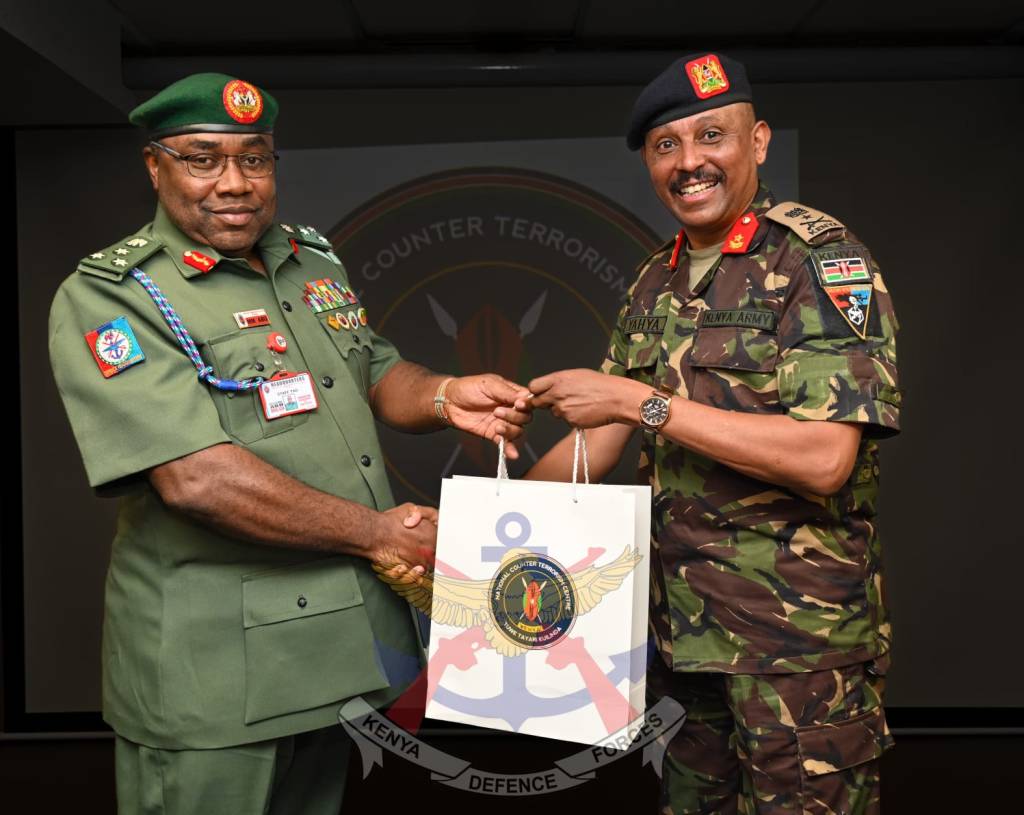
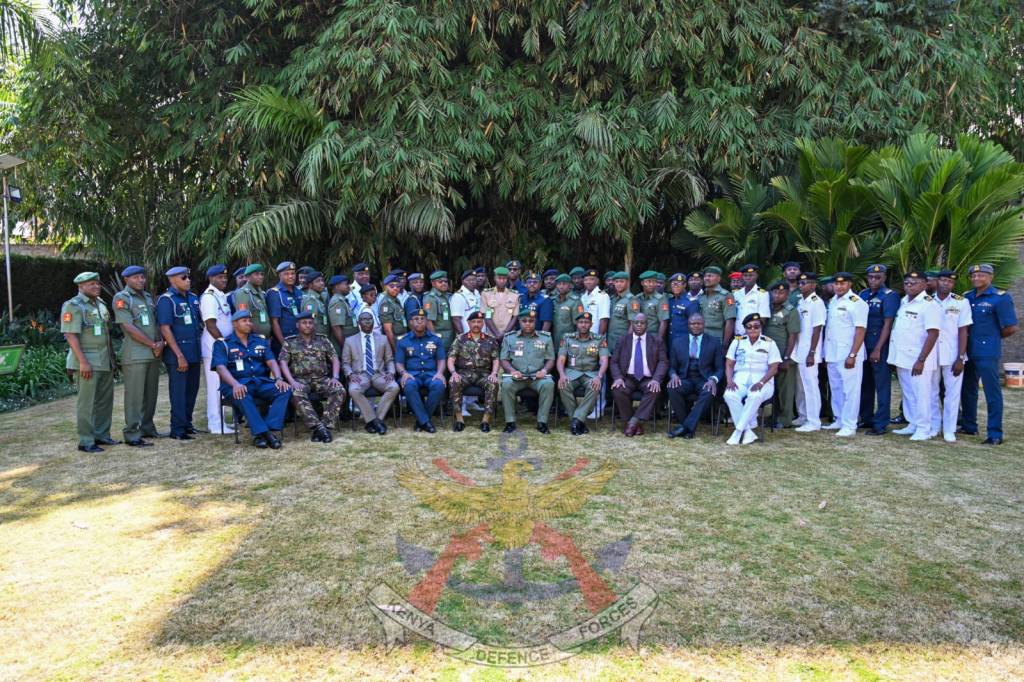
Effective counter-terrorism efforts rely on regional cooperation, shared intelligence and a collective understanding of the evolving drivers of violent extremism. Against this backdrop, the National Counter Terrorism Centre (NCTC) today hosted a delegation from the Nigerian Armed Forces Command and Staff College, Senior Course 48, led by Brigadier General Murtala Mohammed Abu, for a strategic exchange on contemporary counter-terrorism approaches.
The engagement provided an opportunity to share Kenya’s counter-terrorism experience, covering the evolving global and regional terrorism threat, the prevention and countering of violent extremism, community engagement and resilience, multi-agency coordination, and approaches to understanding and disrupting terrorist networks and their capacity to regenerate.
During the engagement, the Brigadier Yahya Mohamed highlighted the value of comparative learning between Kenya and Nigeria, drawing on Kenya’s experience confronting Al-Shabaab and Nigeria’s extensive experience confronting Boko Haram and the Islamic State West Africa Province (ISWAP). He emphasised the importance of looking beyond terrorists’ weapons, locations and tactics to examine the ideas, identity, mindset and ideological drivers that sustain recruitment, cohesion and regeneration.
The interactive discussions enabled both sides to exchange lessons from the Horn of Africa, Lake Chad Basin, the Sahel and the wider African security environment, while exploring opportunities for continued professional cooperation.
The engagement reaffirmed the importance of African-led solutions, continuous institutional learning, community resilience and stronger regional partnerships in responding to an increasingly adaptive and transnational terrorism threat.
Add Comment