
Sustained engagement with young people in conflict-affected zones is not a peripheral goodwill exercise but a strategic imperative for peacekeeping operations, as unengaged youth present the most accessible recruitment pool for illegal armed groups. By offering constructive alternatives—sport, dialogue and visible trust-building—security actors directly undercut the insurgency supply chain while simultaneously transforming potential threats into active partners in civilian protection.
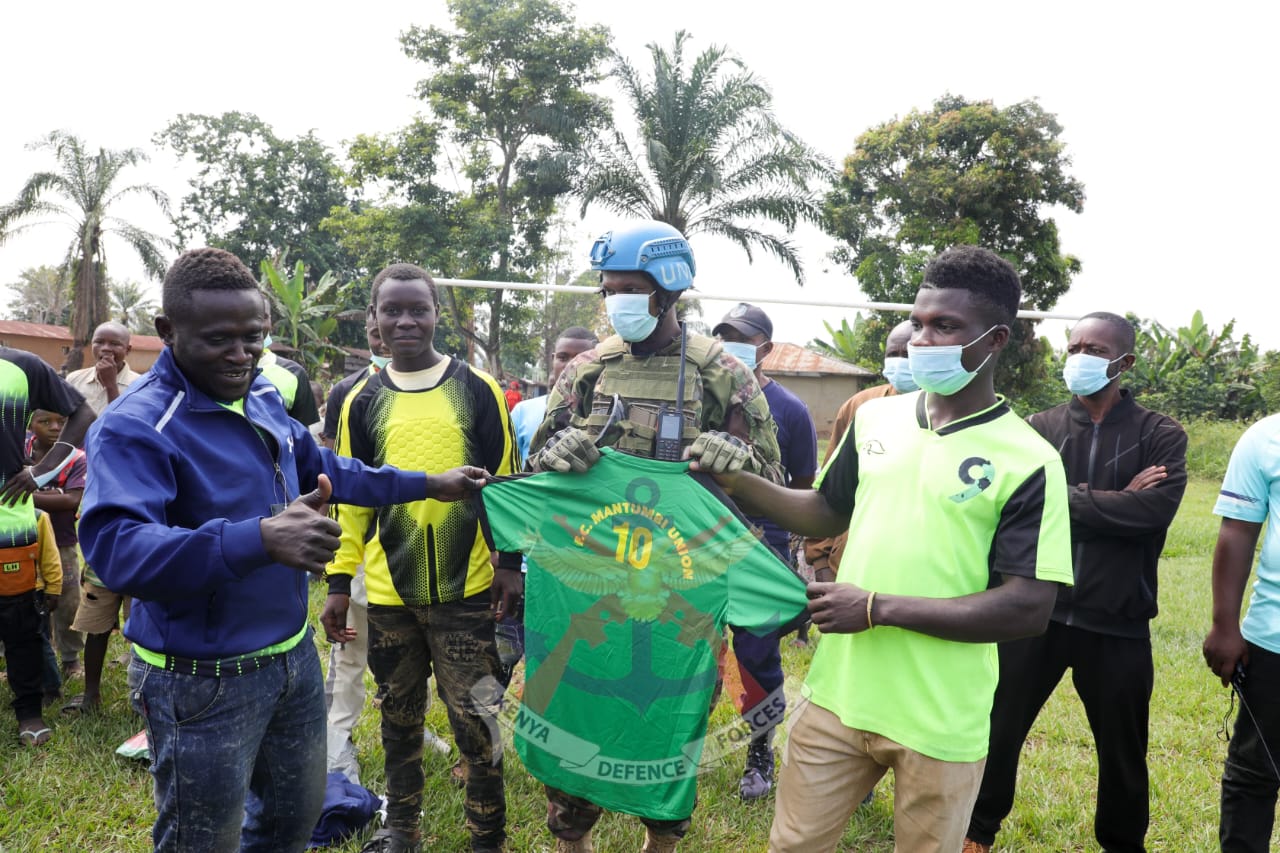
This preventative logic drove the Kenya Quick Reaction Force’s recent outreach in Mantumbi, where a simple donation of playing kits has deepened community ties and opened new channels for early warning information.
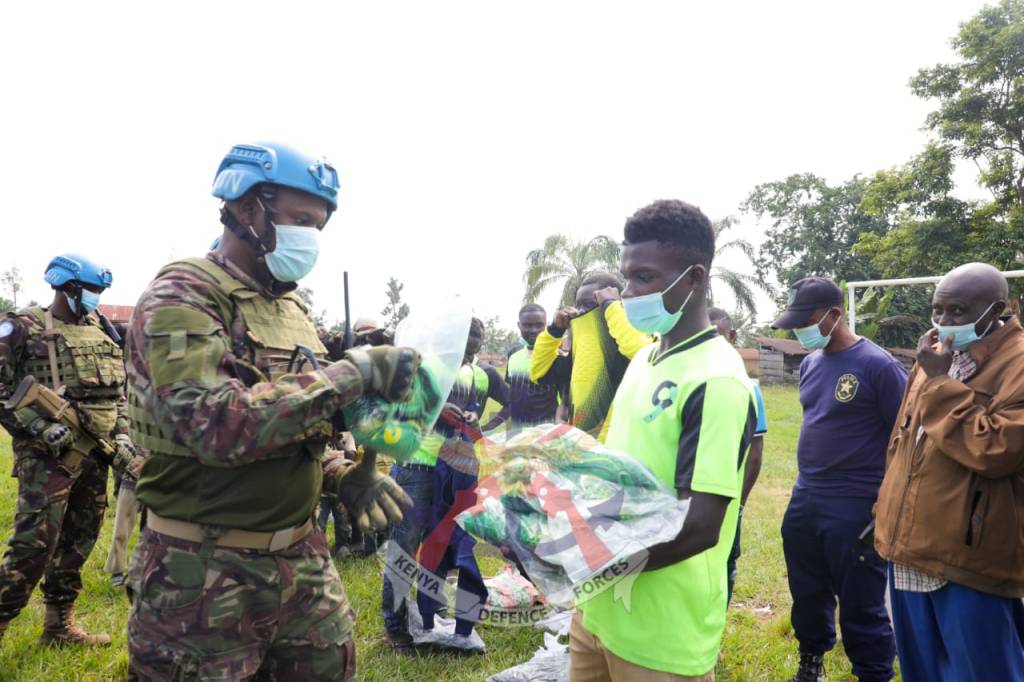
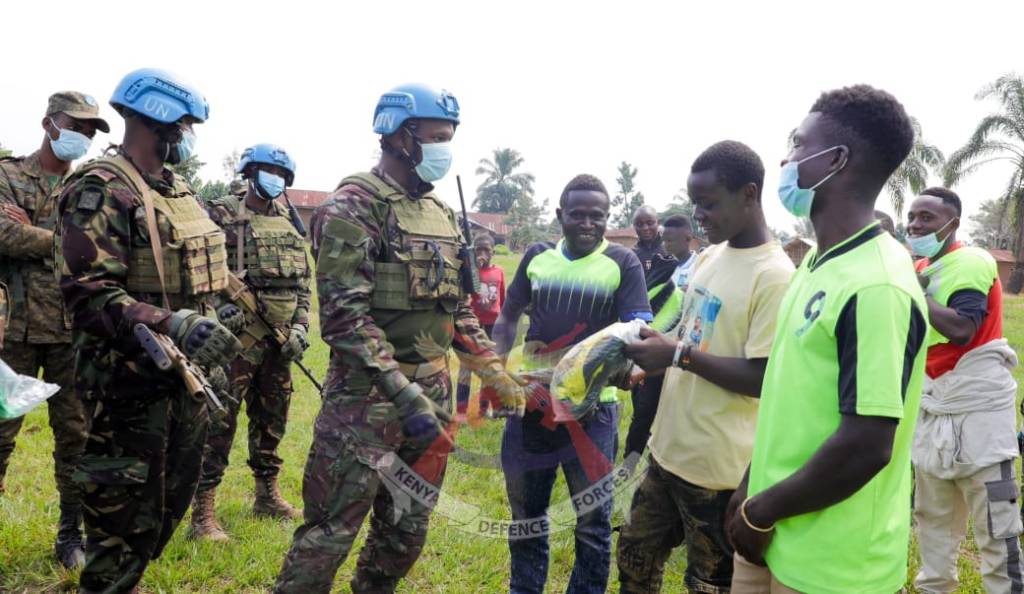
The gesture originated from a friendly football match held on 3 May 2026 between Mantumbi FC and KENQRF 5 at Mantumbi Stadium, an event that drew large local attendance and revealed the community’s acute need for sporting kit. Following that match, residents formally requested the contingent’s assistance in procuring proper kits, a plea that KENQRF leadership honoured by delivering full sets of jerseys and training gear to the club. The donation was received not merely as material aid but as a symbolic commitment to the youth’s wellbeing, reinforcing the perception that peacekeepers are invested in their daily lives beyond security operations.
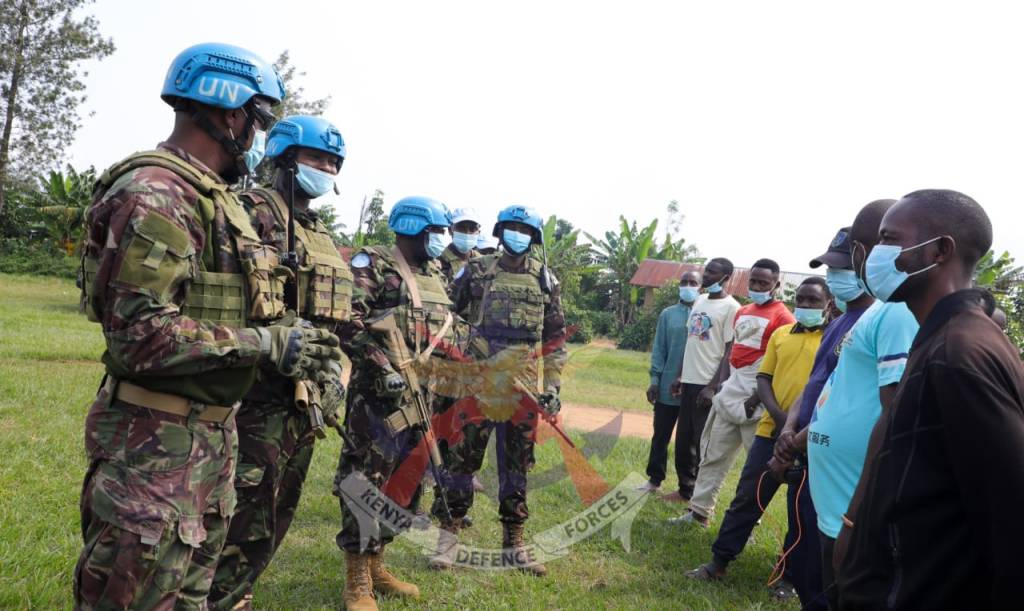
Local authorities, including the Mantumbi Youth President and the area Chief, acknowledged that the kits would keep young people productively occupied with football during their spare time, particularly once the Ebola epidemic subsides and normal activities resume. They further stressed that the initial match had already proven its worth by fostering informal conversations between peacekeepers and residents, conversations that naturally yielded actionable tips about the movements and plans of illegal armed groups. Such information flows, they noted, are indispensable for the peacekeepers to mount timely and proportionate responses, directly enhancing the protection of civilians—a core pillar of the MONUSCO mandate.
Their request for follow-up matches was embraced by KENQRF leadership as a low-cost, high-impact mechanism to sustain the relational momentum, ensuring that the pitch remains a neutral ground for recurring interaction. Each future game is envisioned not as a standalone event but as a forum where trust is strengthened, concerns are aired informally and information is shared without the formality of official briefings. This approach acknowledges that protection is not a one-way service but a co-produced outcome, dependent on the community’s willingness to confide in and collaborate with the peacekeeping force.
Looking ahead, the contingent has formalised a community-engagement strategy that prioritises youth-centric activities as permanent fixtures in their operational calendar, alongside patrols and quick-reaction duties.
The Mantumbi experience has reaffirmed that protection of civilians is most effective when locals see peacekeepers as friends and allies, not just as armed responders. By investing in football, dialogue and face-to-face encounters, KENQRF 5 is steadily weaving itself into the social fabric of the communities it guards, ensuring that young people become guardians of their own security rather than targets for exploitation.
Add Comment