
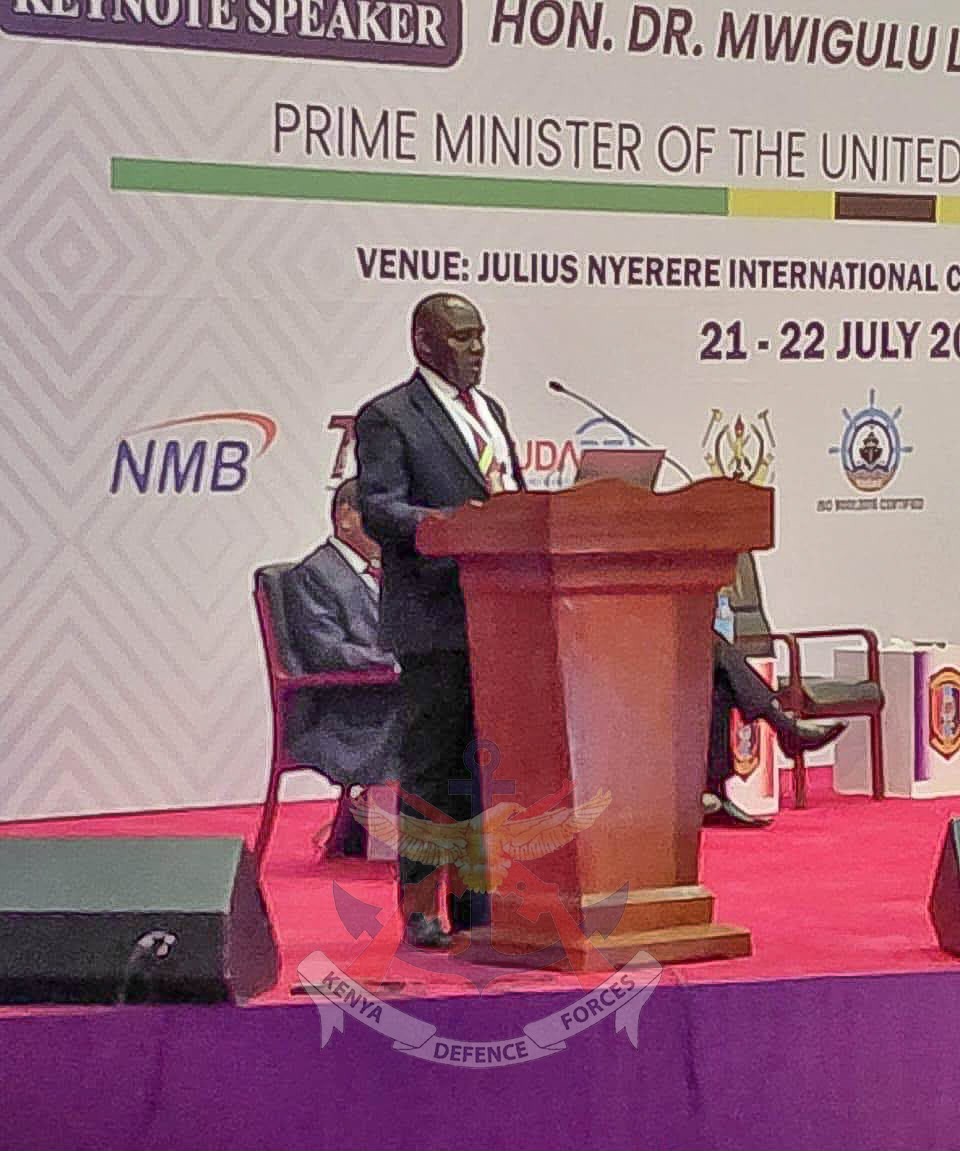
Strengthening Africa’s resilience in an increasingly complex global security environment requires a broader understanding of security as a key enabler of sustainable development. As geopolitical competition intensifies and transnational threats continue to evolve, African nations are being called upon to build stronger institutions, embrace innovation and deepen regional cooperation to safeguard their future.
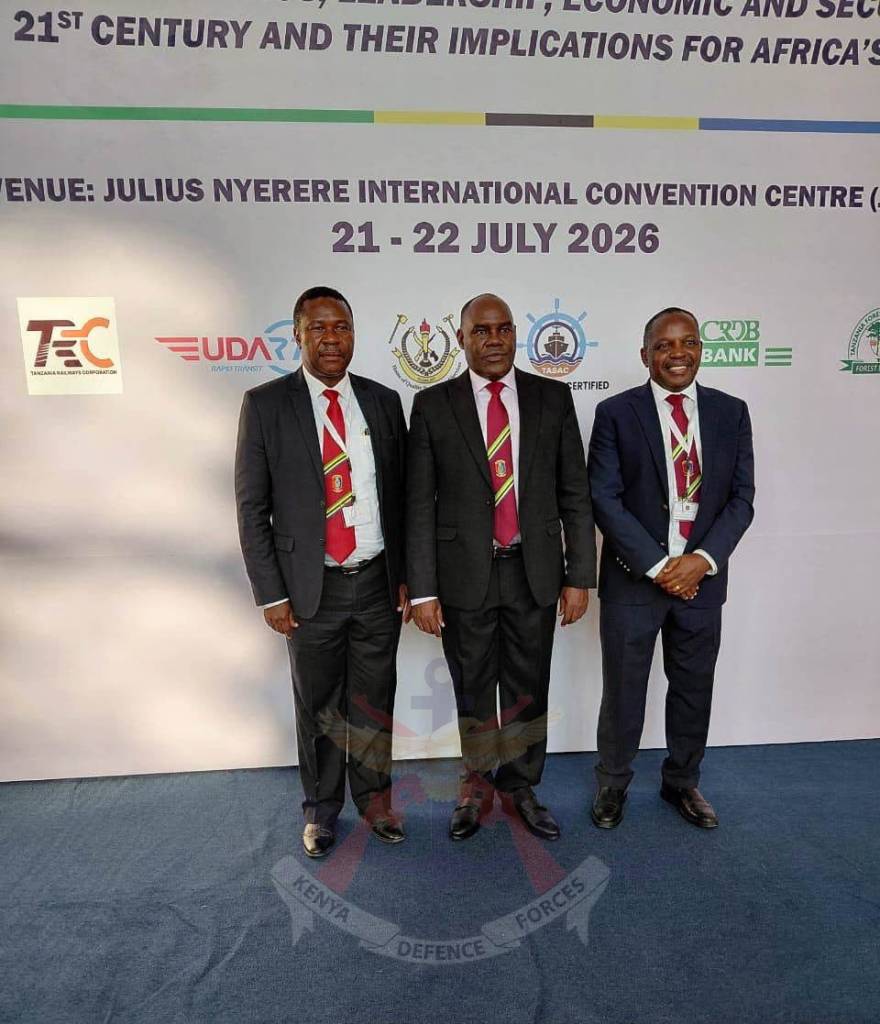
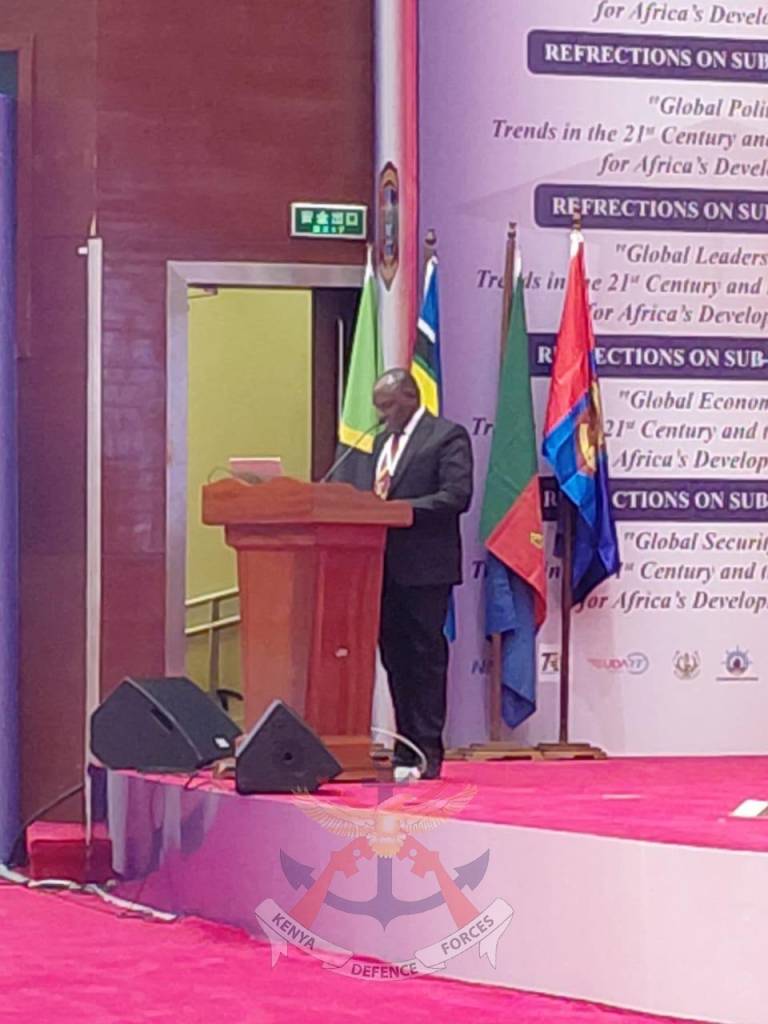
These themes featured prominently when the Commander Kenya Army, Lieutenant General David Ketter, delivered a keynote address after being honoured as a distinguished graduate of the National Defence College – Tanzania. Speaking on the theme, “Global Security Trends in the 21st Century: Implications for Africa’s Development,” he challenged military and civilian leaders to rethink conventional approaches to security and development.
Lieutenant General Ketter observed that Africa’s long-term economic transformation depends on resilient institutions capable of adapting to a rapidly changing global landscape. He noted that contemporary security extends beyond the battlefield to include political stability, economic resilience, environmental sustainability and social cohesion, all of which are fundamental to national and regional development.
He highlighted the changing character of conflict, noting that internal instability, hybrid warfare and asymmetric threats posed by non-state actors increasingly define today’s security environment. Climate change, he added, continues to intensify existing vulnerabilities by acting as a threat multiplier that amplifies resource competition, displacement and insecurity.
To respond effectively, the Commander Kenya Army outlined a strategic roadmap centred on strengthening governance, investing in human capital, embracing emerging technologies and reinforcing regional cooperation to counter cross-border challenges such as cybercrime, organised crime and maritime insecurity. He further underscored the importance of enhancing Africa’s strategic autonomy as global power competition reshapes the international security architecture.
Drawing on the BANI framework—Brittle, Anxious, Non-linear and Incomprehensible—Lieutenant General Ketter encouraged military leaders to cultivate adaptive leadership, strategic foresight and innovation. He noted that the interconnected nature of modern risks, including pandemics, technological disruption and youth-driven social unrest, demands agile institutions capable of anticipating rather than merely responding to emerging challenges.
He concluded by urging African nations to take ownership of their development trajectory through stronger institutions, effective regional mechanisms and closer alignment with continental initiatives such as Agenda 2063 and the African Continental Free Trade Area (AfCFTA). He emphasized that Africa’s future will be shaped by leaders and institutions that anticipate change, harness innovation and transform emerging challenges into opportunities for sustainable growth and lasting security.
Add Comment