
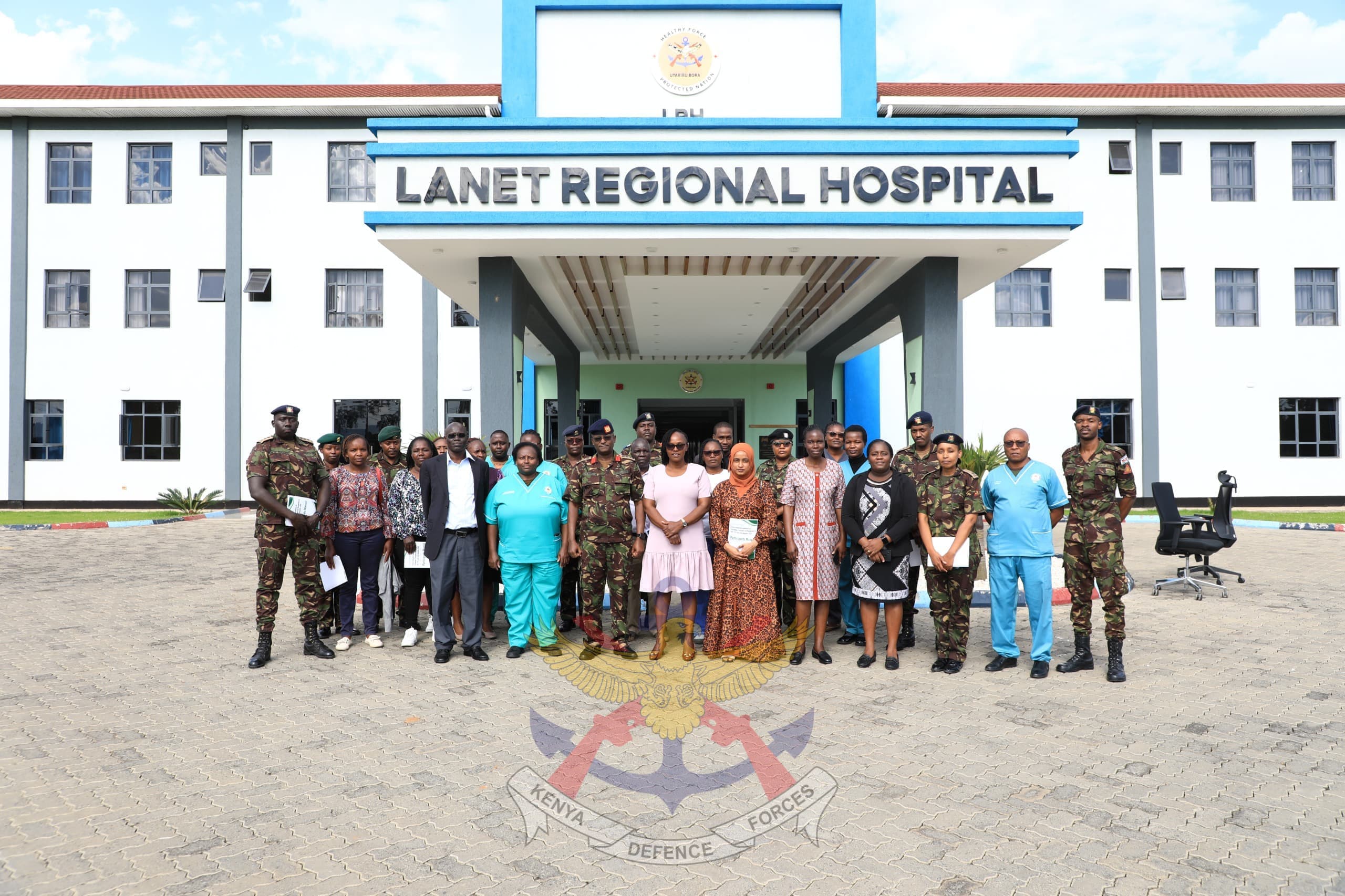
Strengthening the knowledge and practical skills of healthcare practitioners through continuous capacity building is fundamental to advancing overall medical welfare and safeguarding community health. When clinicians are equipped with expertise, patient outcomes improve, care becomes more compassionate and broader healthcare system gains resilience. Against this backdrop, Lanet Regional Hospital (LRH) recently hosted a transformative four-day intensive training focused on the Kenya Integrated Guidelines for the Prevention, Treatment, and Management of HIV, Sexually Transmitted Infections (STIs) and Viral Hepatitis.
Organized in close collaboration with the National AIDS and STI Control Programme (NASCOP) alongside key development and implementing partners, the initiative brought frontline healthcare workers together for an immersive learning experience. The primary goal was to fortify their practical skills and clinical judgment, ensuring that every individual walking through hospital doors receives holistic, dignified and evidence-based care. By uniting practitioners around shared national standards, the program directly targeted the structural gaps that often hinder seamless patient recovery and long-term wellness.
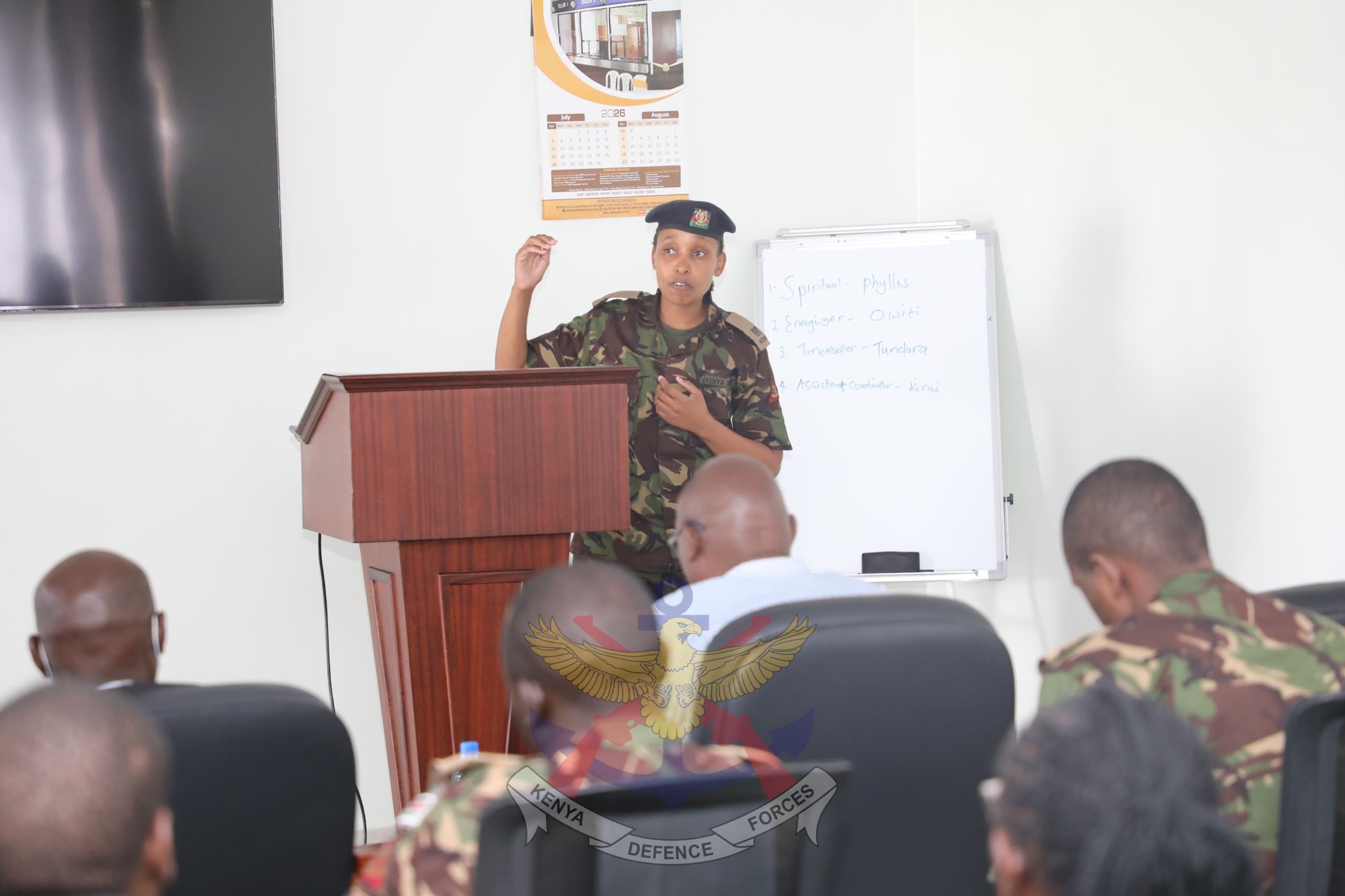
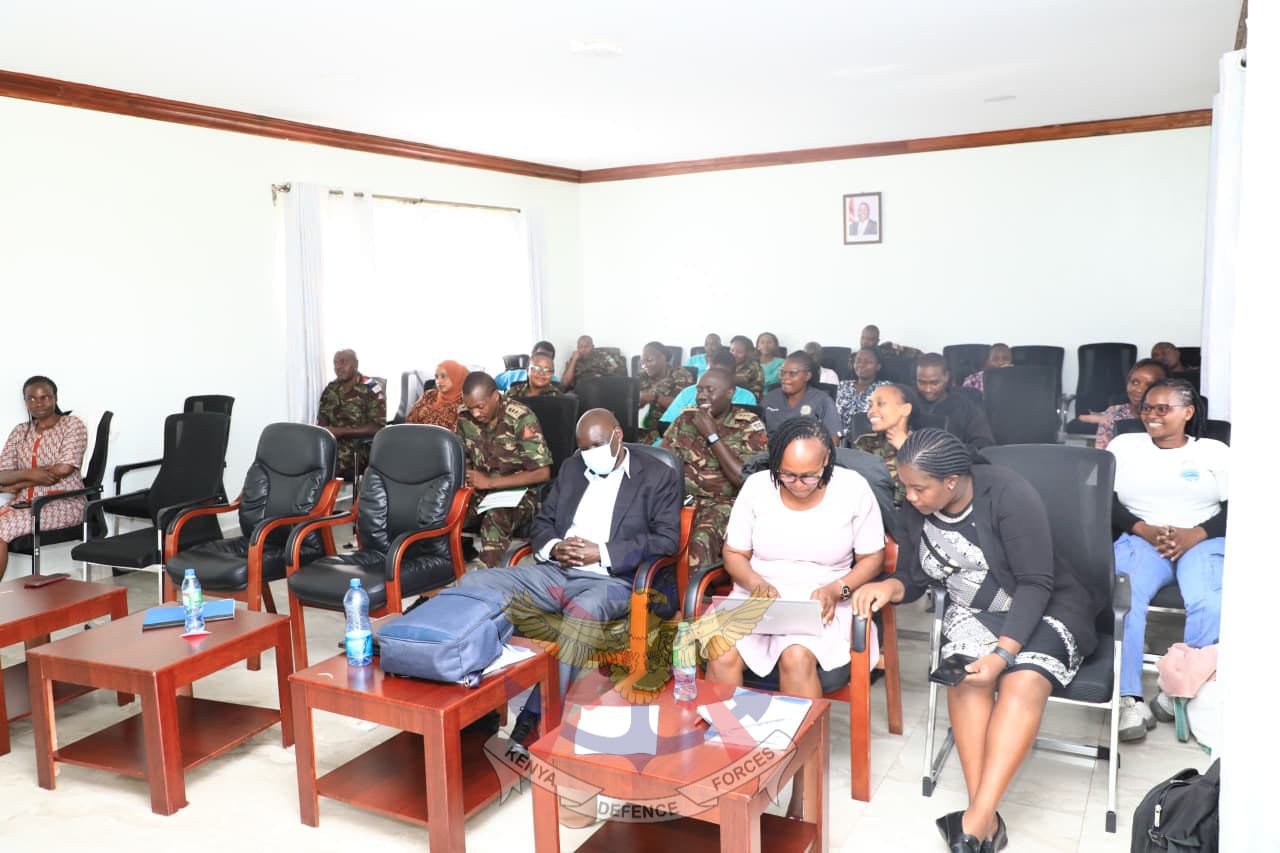
Throughout the four days, participants deepened their understanding of integrated service delivery; a model central to modern medical welfare that minimizes fragmented care for vulnerable patients. Training sessions emphasized early detection, precision management of co-infections, robust treatment adherence counseling and proactive prevention strategies. By centering the patient’s lived experience, clinicians were trained not merely to treat isolated conditions, but to support the total physical and emotional well-being of those under their care.
The practical application of national guidelines stood out as a core pillar of the sessions, reinforcing the principle that medical welfare relies heavily on safety, effectiveness and consistency across routine clinical practice. Facilitators highlighted how standardized, evidence-informed protocols protect patients from unnecessary complications while empowering healthcare providers to make confident, life-saving decisions. This shared foundation helps bridge disparities in service delivery, ensuring high-quality intervention regardless of a patient’s socioeconomic background.
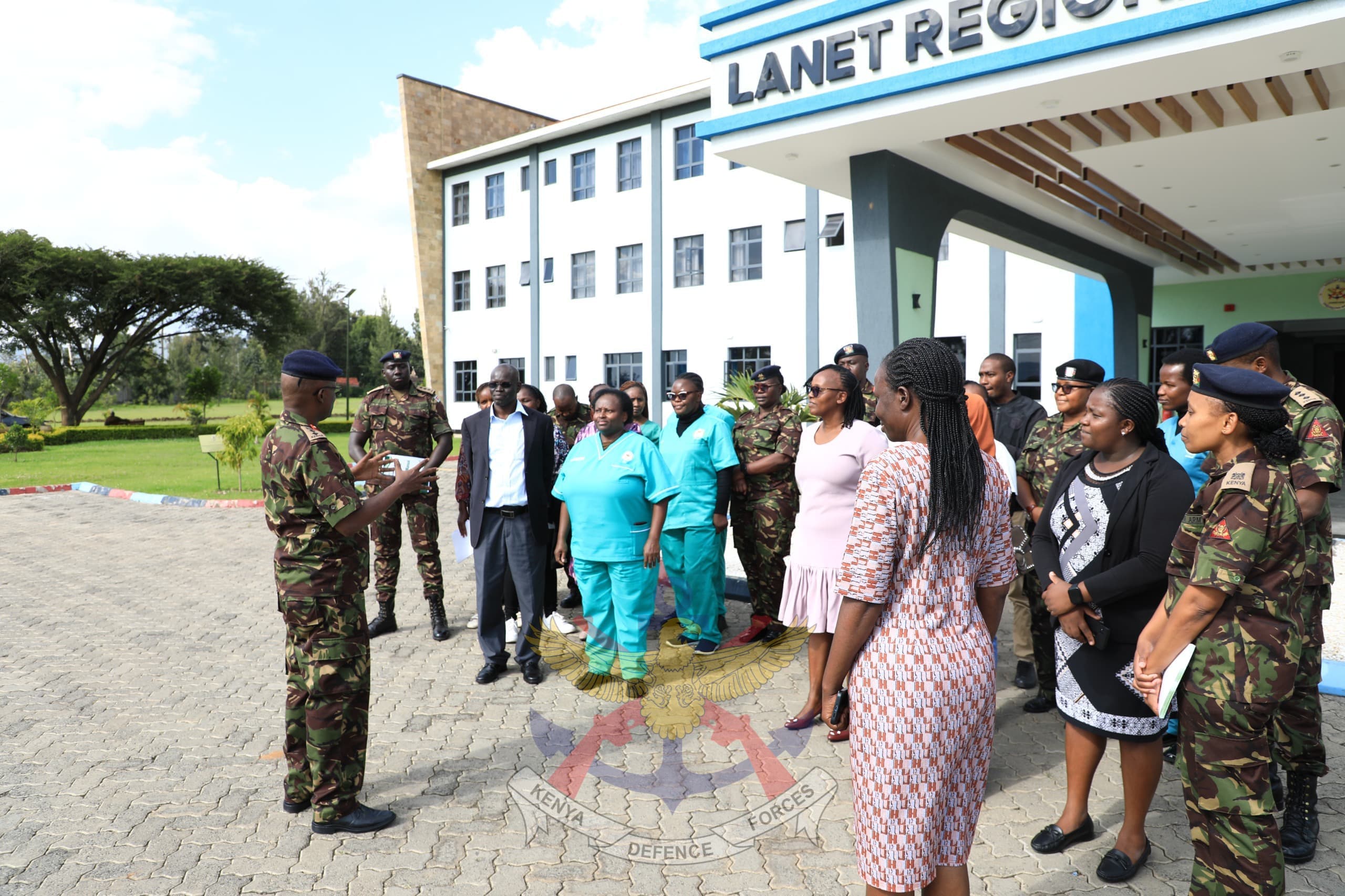
During the closing ceremony, LRH leadership and facilitators commended the participants’ dedication to professional growth, framing continuous learning as a professional and ethical obligation toward public health. Hospital management urged healthcare workers to immediately translate their enhanced competencies into daily practice, reiterating that true medical welfare is realized when clinical knowledge directly enhances patient dignity, comfort, and recovery. This initiative ultimately reaffirms LRH’s enduring commitment to building a resilient, highly skilled health workforce capable of delivering compassionate, high-standard care to all.
Add Comment