
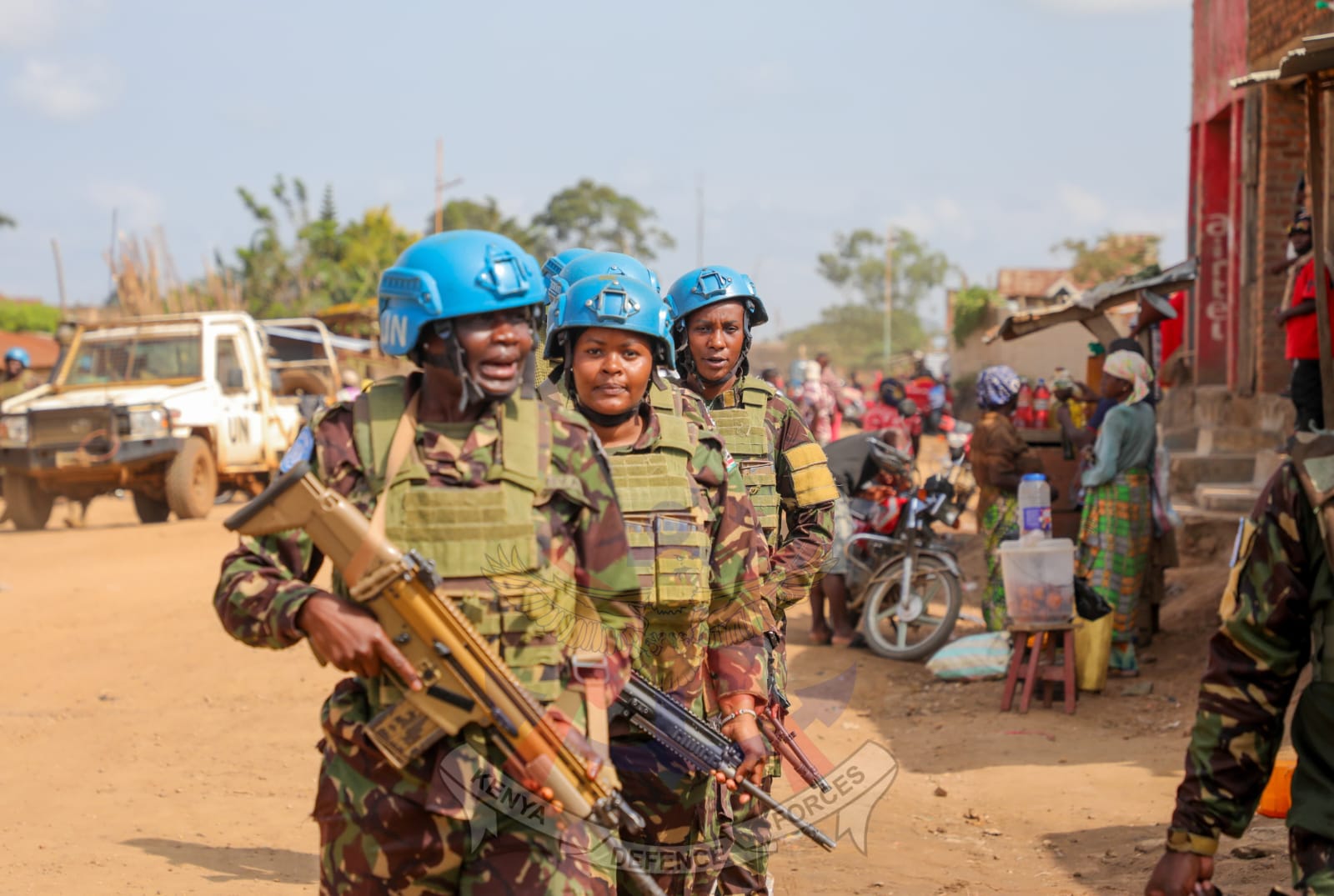
In eastern DRC, conflict prevention and management depend on engaging women as active participants rather than treating them only as affected populations. When women take part in conflict management, they move from being victims of conflict to becoming agents of change and active players in their own protection efforts. Their community knowledge, social networks and daily experiences make them essential to early warning, social cohesion and locally informed protection strategies. This is why engagement with local women is not a peripheral activity but a critical component of effective peacekeeping.
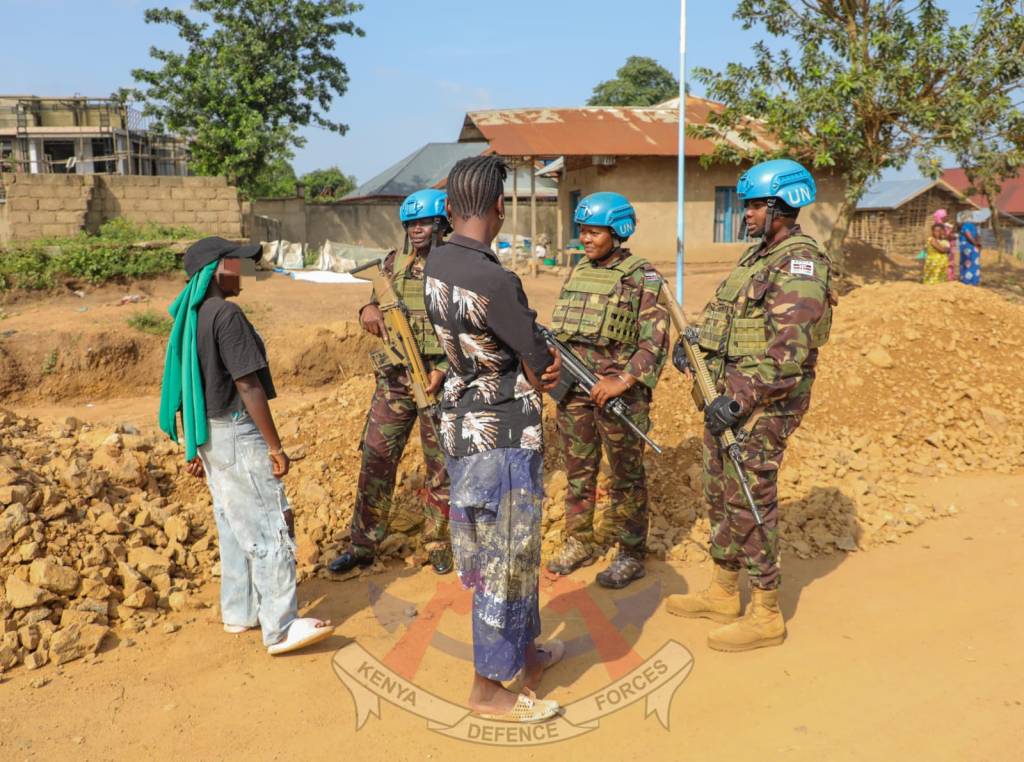
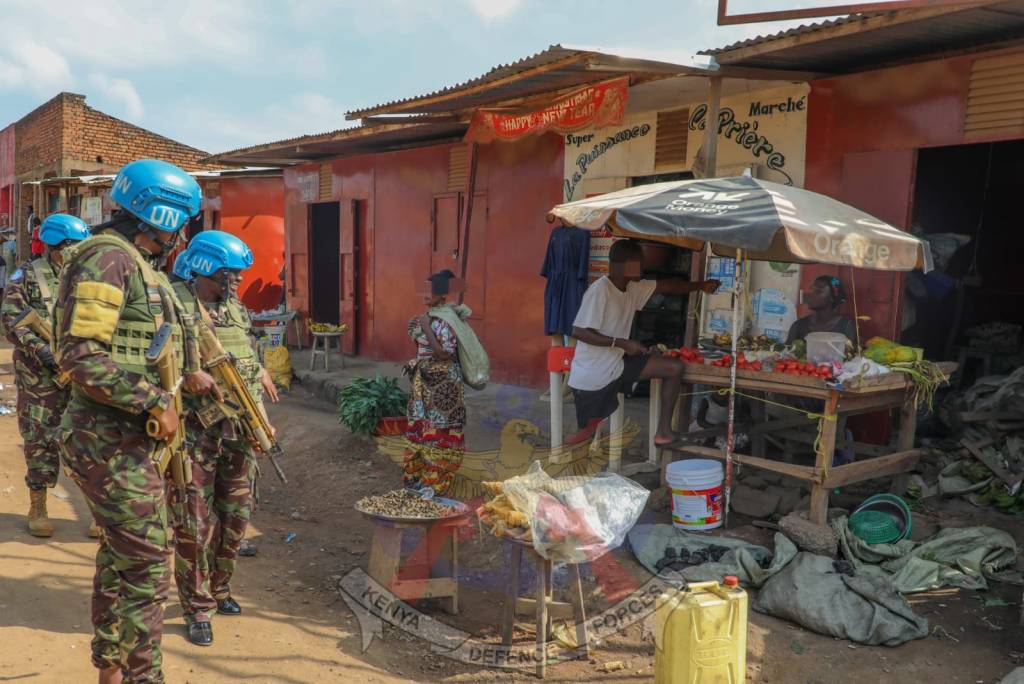
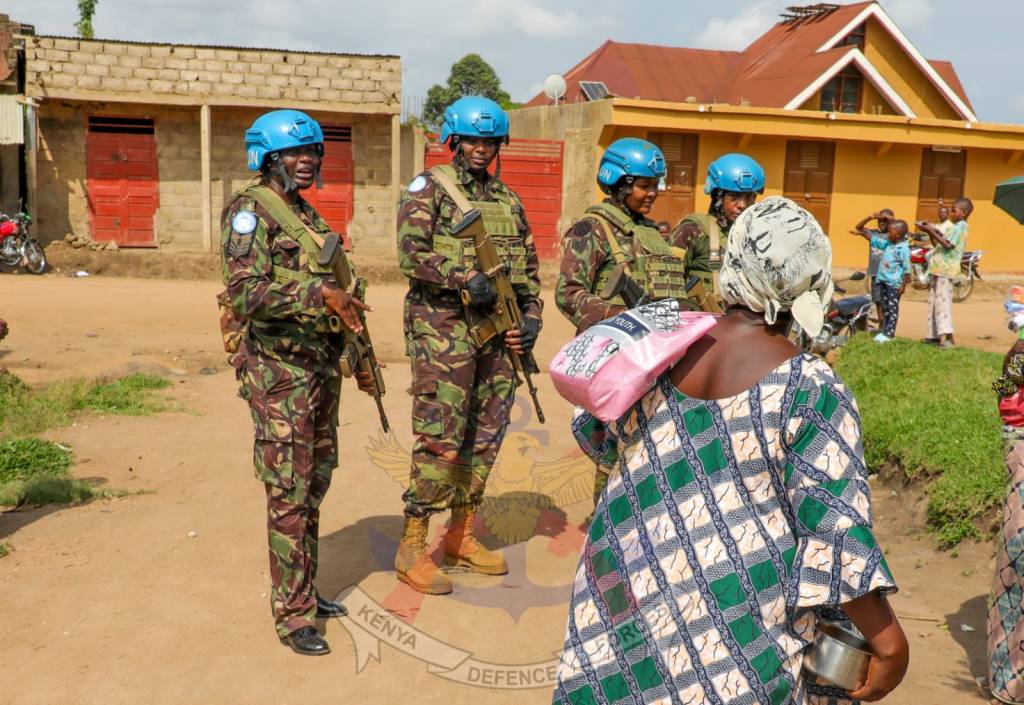
It is in this context that the Kenya 5th Quick Reaction Force (KENQRF 5) Female Engagement Team (FET) patrolled areas of Boikene to interact with local women and hear directly about the challenges they face. The initiative provided a firsthand account of the difficulties local women are encountering, giving peacekeepers insight into realities that may not be visible through conventional patrols alone. Such engagement is significant because it builds trust, improves access to community perspectives and helps ensure that protection efforts are grounded in the lived experiences of those most affected by conflict.
The information gathered through this interaction has direct operational value. By listening to local women, KENQRF 5 better understands community priorities, protection concerns and the practical barriers women face in accessing support. This understanding informs better decision-making by peacekeepers, enabling them to adapt patrols, community engagement and protection measures to the local context. The female engagement team therefore acts as a bridge between peacekeepers and local women, helping to translate community voices into more responsive and effective peacekeeping action.
This initiative reflects a people-centered approach to peacekeeping in which women’s participation is not symbolic but operational. The firsthand accounts gathered in Boikene helps KENQRF 5 strengthen conflict prevention and management while supporting local women as partners in their own protection. Continued engagement of this kind reinforces the role of women as agents of change and contributes to more effective, community-informed peacekeeping. It also demonstrates that listening to women is a practical investment in better protection, stronger trust and more sustainable peace.
Add Comment