As Kenya prepares for the October–November–December 2026 rainfall season, the Kenya Defence Forces (KDF) is strengthening its emergency medical preparedness to support national response efforts in the event of flooding, landslides and other weather-related emergencies.
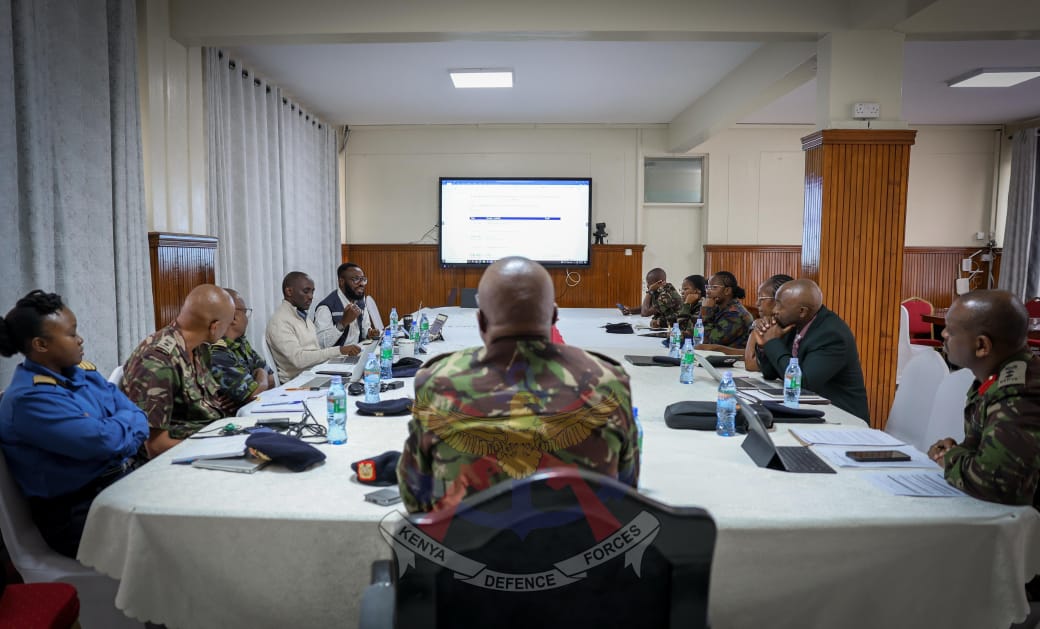
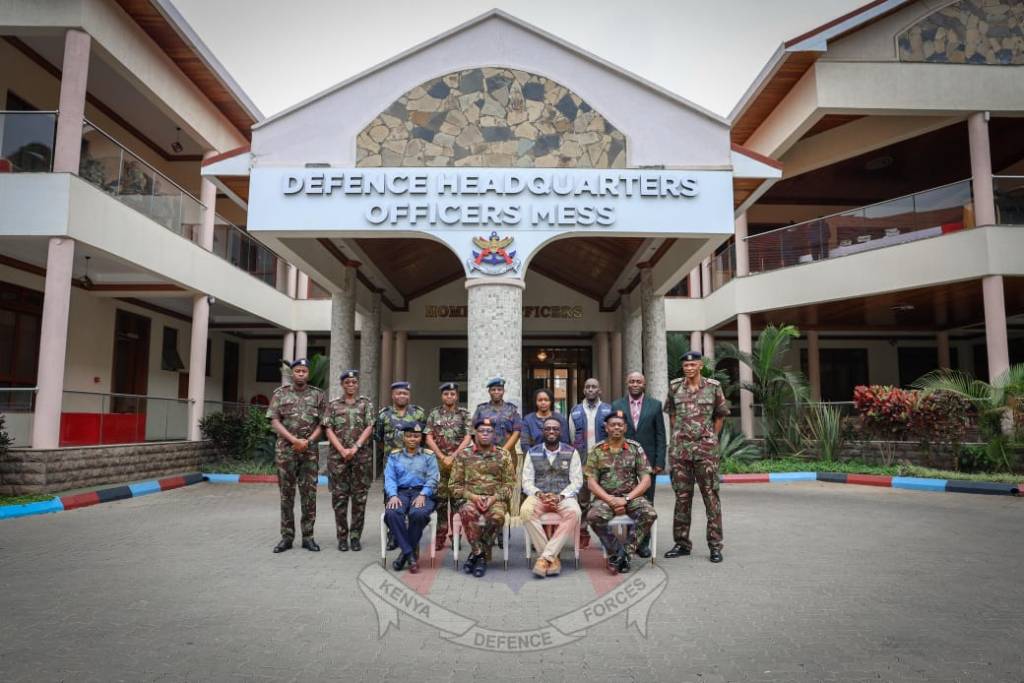
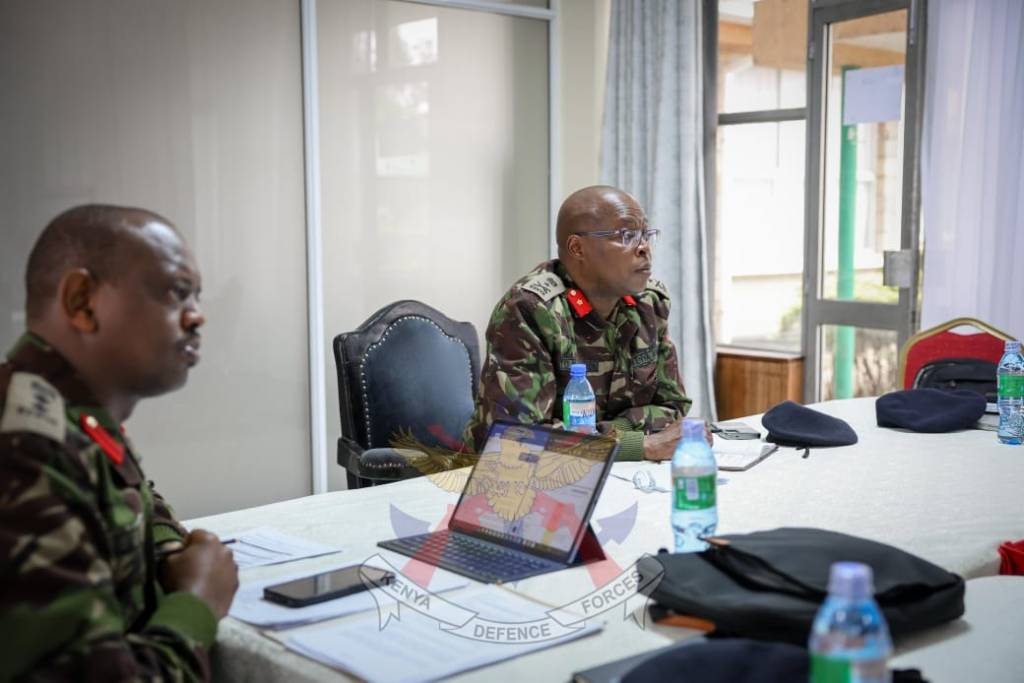
With technical support from the World Health Organization (WHO), KDF recently conducted an Emergency Medical Team (EMT) preparedness exercise aimed at enhancing readiness for rapid deployment during major emergencies. The exercise brought together strategic planning, specialised technical expertise and realistic operational scenarios to assess existing response arrangements and strengthen coordination among agencies involved in emergency medical response.
The exercise evaluated the readiness of medical teams, activation and deployment procedures, resource requirements and the availability of essential medical supplies. Participants also assessed potential public health scenarios and developing practical pre-deployment frameworks to enable medical teams to transition rapidly and effectively from standby to field operations.
The preparedness programme further provides an opportunity to strengthen civil-military coordination, identify potential operational gaps and ensure personnel, equipment and medical resources can be mobilised efficiently when required. These measures are critical to ensuring a timely, coordinated and effective response, particularly where emergencies place significant pressure on existing civilian health systems.
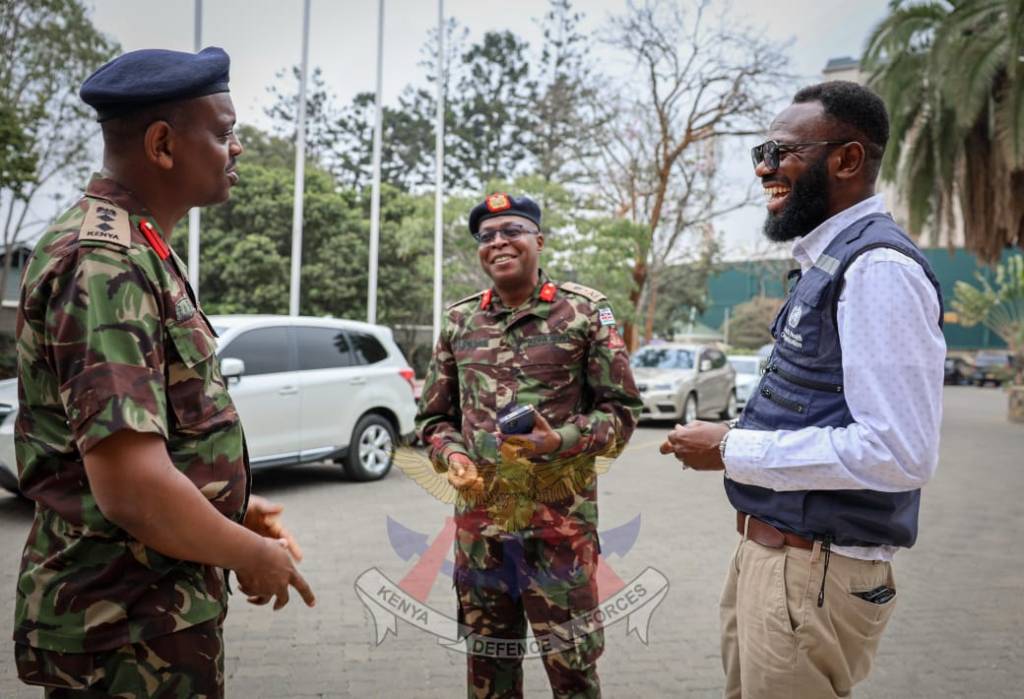
Speaking on behalf of the Director of Medical Services, Major General (Dr) Francis Kuria, the Chief of Clinical Support Services, Brigadier (Dr) David Kimeli Chepsiror, underscored the KDF’s role in supporting national resilience during major emergencies.
He noted that while KDF operates within the broader national emergency response architecture, the Force remains prepared to provide critical capabilities when civilian response systems require additional support. He further emphasised that effective disaster response depends on close coordination among military, civilian and other government agencies, with the protection of lives remaining the overriding priority.
WHO Kenya Team Lead for Emergency Preparedness and Response, Dr Livinus Martins Chibueze, highlighted the importance of building and testing response capacity before emergencies occur. He noted that preparedness exercises enable teams to assess operational systems, work through complex scenarios, strengthen coordination and identify gaps that could affect response during an actual emergency.
The joint exercise strengthens Kenya’s capacity to respond to health emergencies by ensuring that trained personnel, medical resources and deployment mechanisms are ready when required. It also reinforces the value of sustained civil-military and multi-agency cooperation in protecting lives, supporting affected communities and strengthening national disaster resilience.
Add Comment