
Kenya has intensified its drive toward seamless and secure border management, with the Kenya Defence Forces (KDF) taking a central leadership role in advancing inter-agency coordination across the country’s Points of Entry.
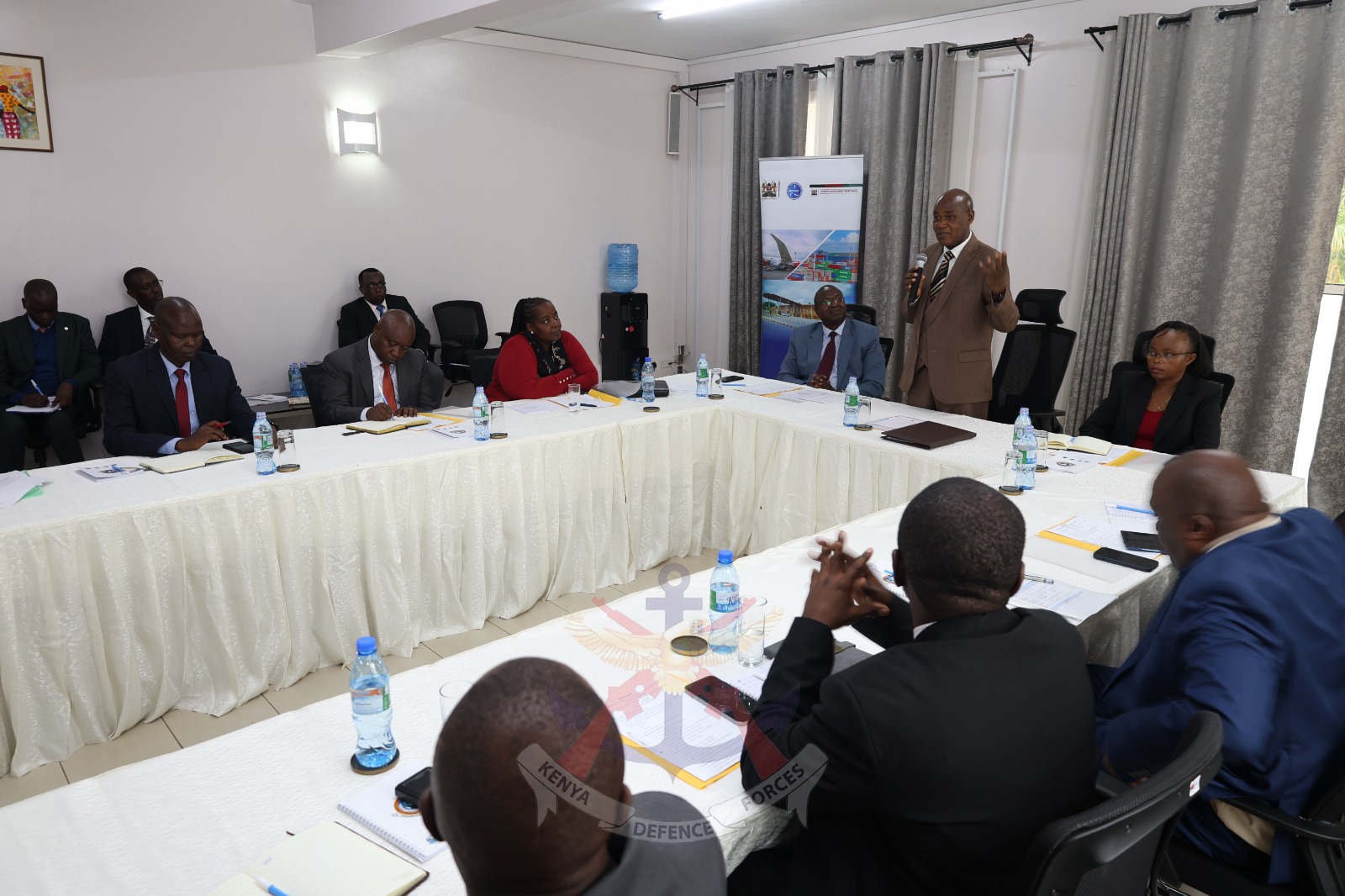
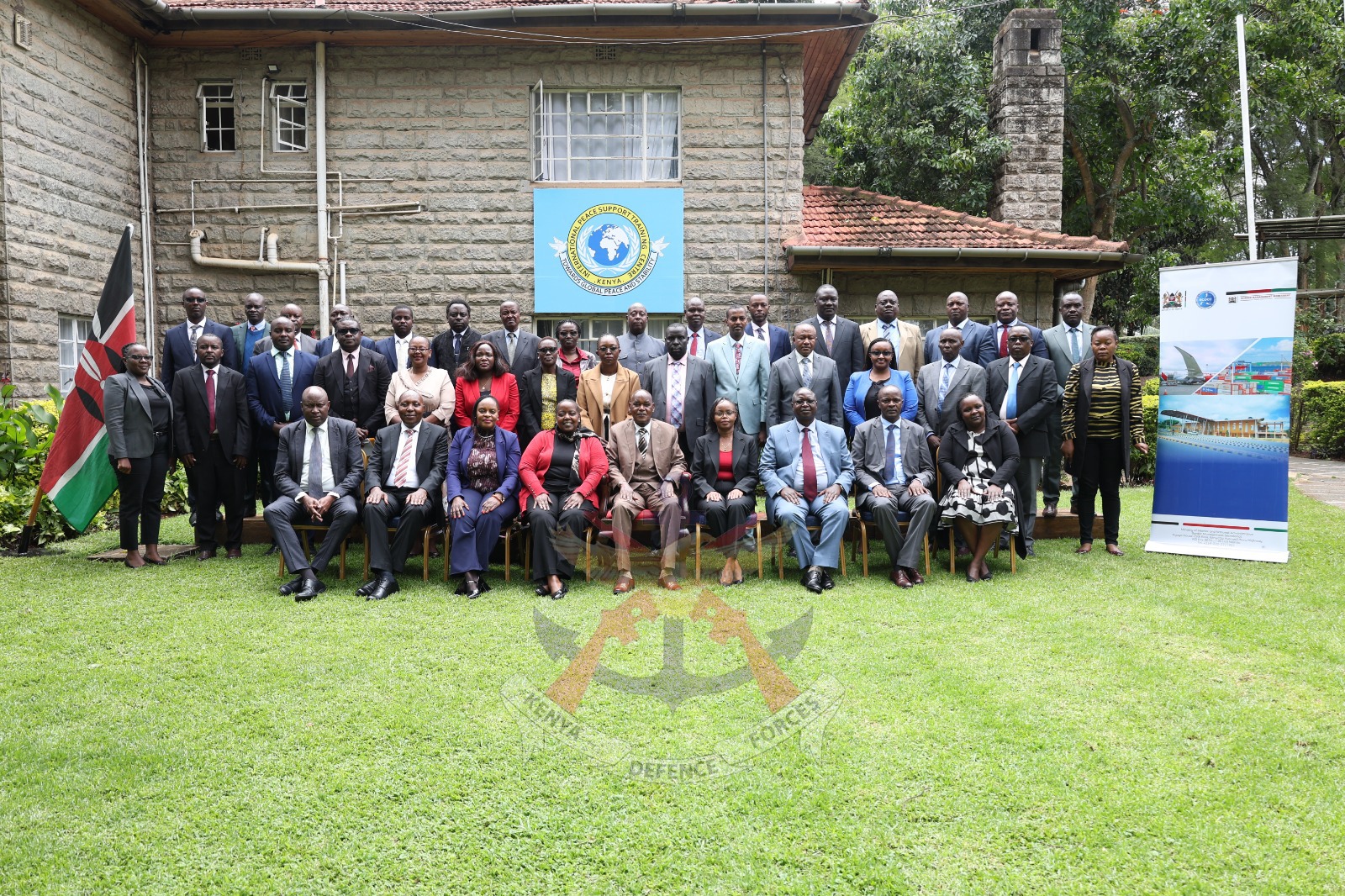
This commitment was evident during the 67th Border Control and Operations Coordination Committee (BCOCC) meeting, hosted and chaired by KDF at the International Peace Support Training Centre on 30 April 2026. The high-level forum brought together key government agencies tasked with safeguarding Kenya’s borders while facilitating legitimate trade and movement.
Presiding over the meeting, General Officer Commanding Central Command (GOC CENTCOM) Major General John Nkoimo underscored the urgency of sustained collaboration in the face of evolving transnational threats. He emphasized that modern border security demands a whole-of-government approach, one that integrates security enforcement with trade facilitation and regulatory oversight.
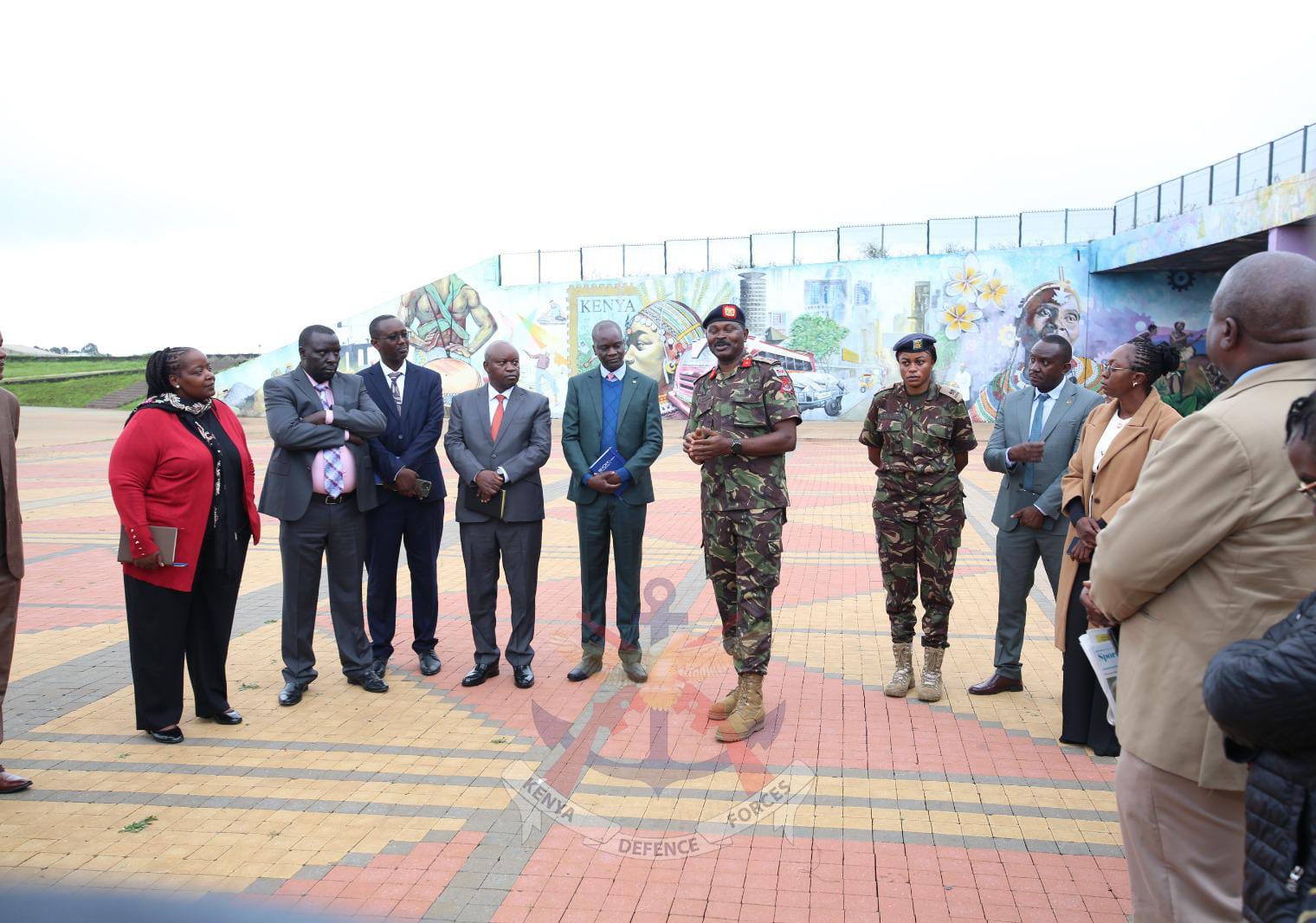
In a symbolic and strategic prelude to the meeting, committee members conducted a site visit to the Uhuru Gardens National Monument and Museum. There, they engaged with Brigadier Peter Kimondiu to assess emerging risks associated with aircraft operations at the nearby Wilson Airport, highlighting the expanding scope of border security beyond traditional land and sea frontiers.
Central to the deliberations was the planned operationalization of the Mandera–Liboi–Kiunga border corridor with the Somalia. The initiative represents a critical step in enhancing cross-border connectivity and security. Under this framework, the Ministry of Defence through KDF has been mandated to spearhead the construction of key infrastructure and provide security support across the three strategic border points.
The meeting also addressed a spectrum of emerging threats and vulnerabilities affecting border governance. These included rising concerns over human, animal, and plant health risks, the proliferation of narcotics trafficking, and the growing challenge of human trafficking linked to labour migration routes to the Middle East and Russia. Such multidimensional risks, participants noted, require synchronized intelligence-sharing and joint operational responses.
Operating under the Ministry of Interior and National Administration, BCOCC remains the country’s principal platform for harmonizing border control efforts. Its multi-agency composition reflects Kenya’s integrated security architecture, bringing together institutions such as the National Police Service, Kenya Revenue Authority, State Department for Immigration, Kenya Maritime Authority, Kenya Ports Authority, and Kenya Plant Health Inspectorate Service, among others.
Beyond policy dialogue, the meeting reaffirmed a shared national vision: a secure, efficient, and resilient border system capable of protecting Kenya’s sovereignty while enabling economic growth. As threats grow more complex and interconnected, Kenya’s strategy—anchored on unity of effort and institutional synergy—positions the country at the forefront of modern border governance in the region.
Add Comment