Integrated humanitarian outreach programmes remain a critical role in improving access to essential healthcare services, supporting livelihoods and strengthening resilience among vulnerable communities in remote and underserved regions. By combining medical and veterinary interventions, such initiatives not only address immediate health concerns but also contribute to long-term community wellbeing and economic stability.
In support of these efforts, Kenya Defence Forces (KDF) personnel operating under Operation Maliza Uhalifu in the Kolowa area partnered with Medical Missions Africa (MEMA) to successfully conduct a two-day integrated medical and veterinary outreach programme at Loiwat Village in Loiwat Location, Kolowa Sub County, Baringo County.
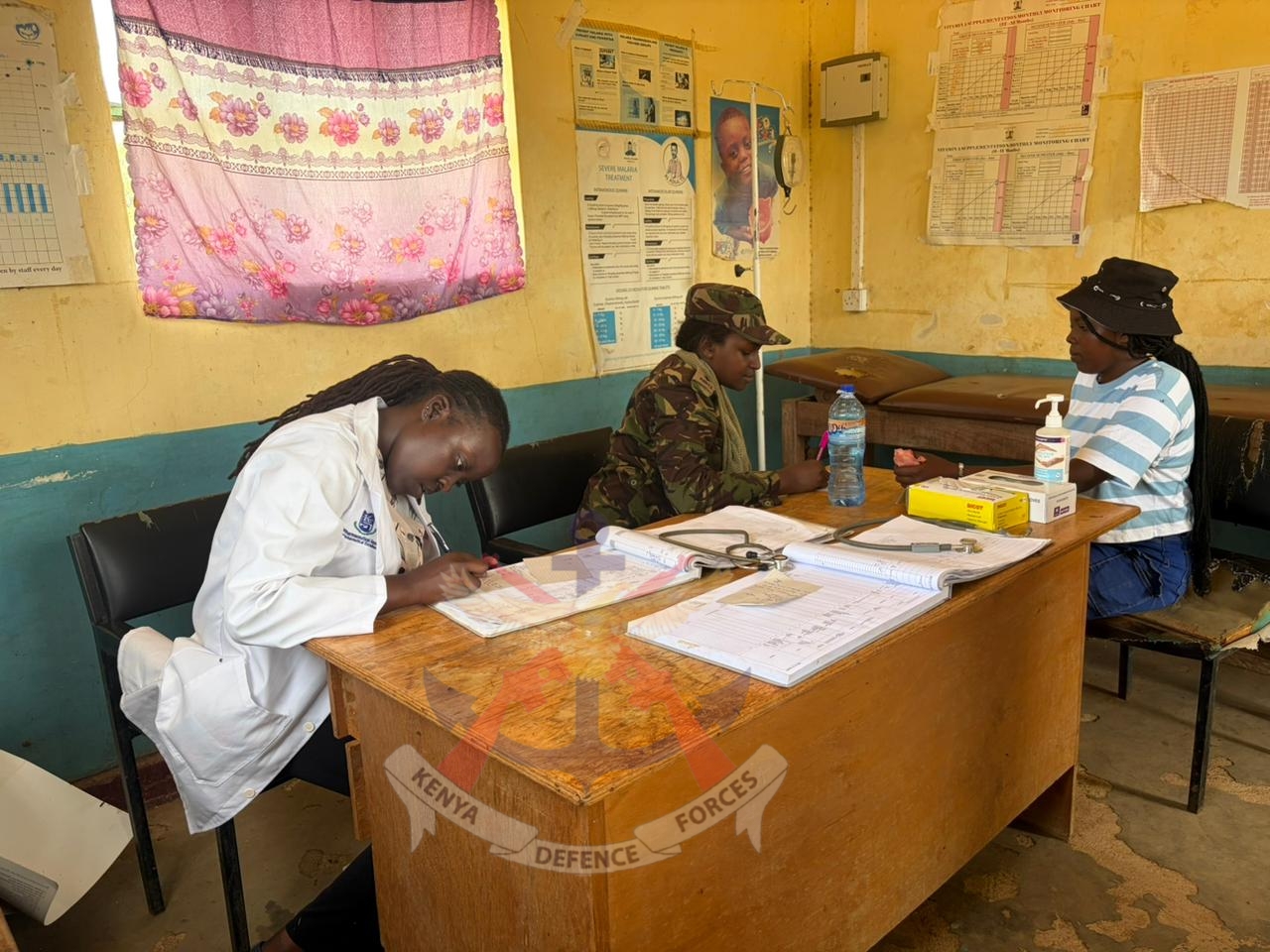
The outreach initiative brought together healthcare professionals and veterinary officers in a coordinated humanitarian effort aimed at addressing the urgent health needs of both residents and their livestock. The programme sought to improve access to essential healthcare services for local communities, many of whom face challenges accessing quality medical care due to long distances and limited health facilities within the region.
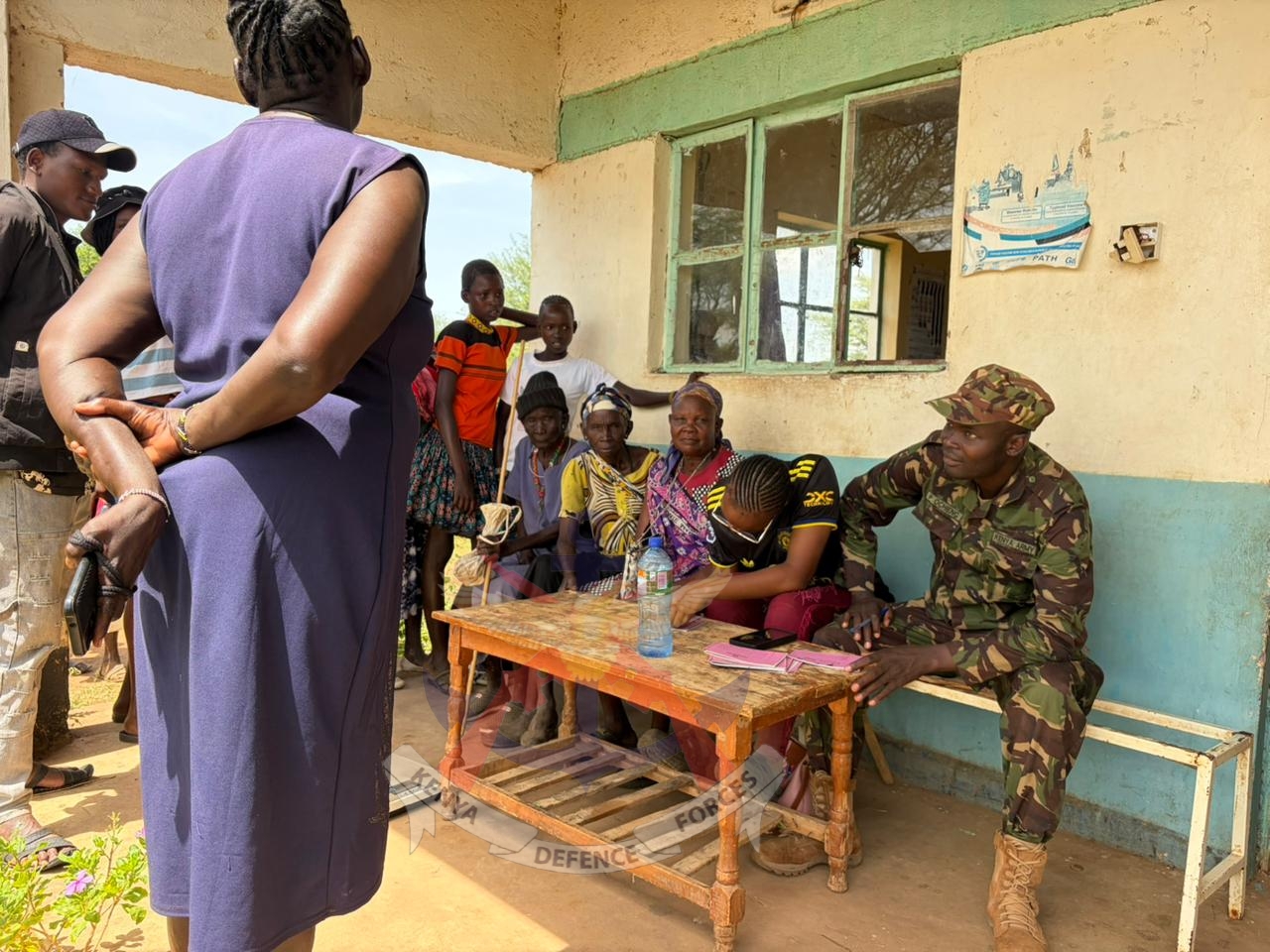
During the exercise, hundreds of residents received treatment for various medical conditions, while others benefited from medical consultations, health screening services and professional guidance on disease prevention and general wellbeing. The outreach also provided an important opportunity to enhance health awareness within the community and encourage preventive healthcare practices.
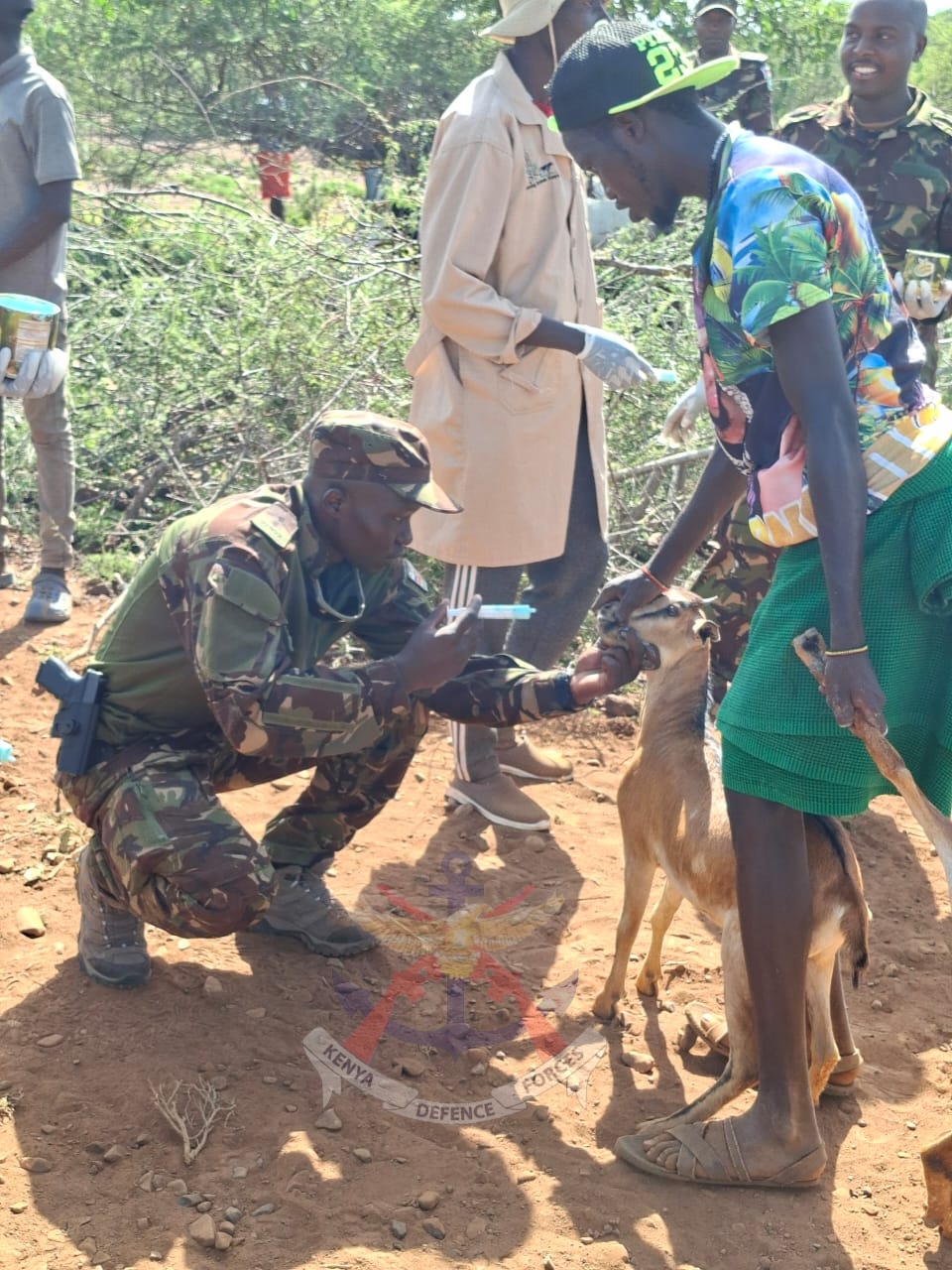
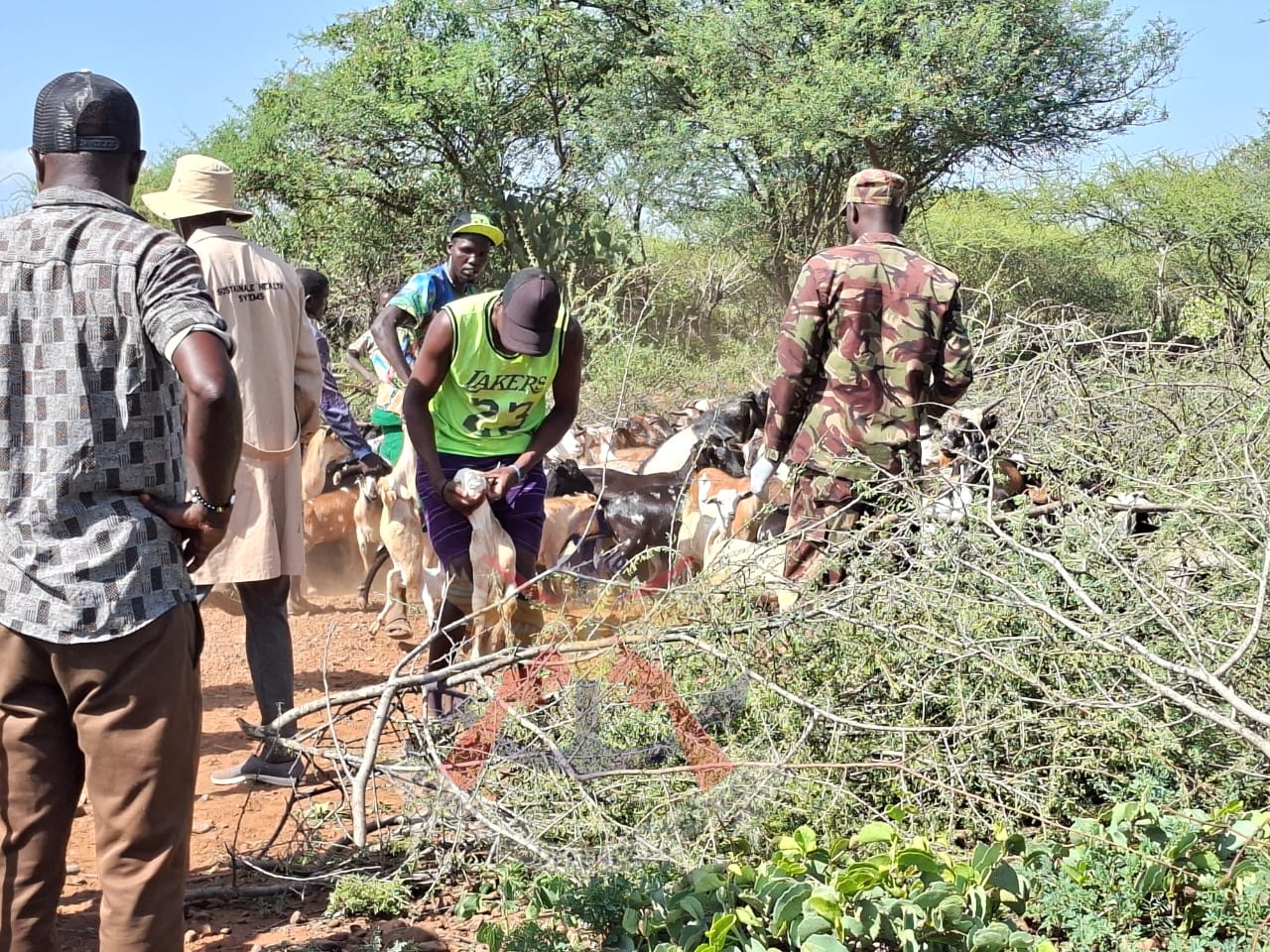
Recognizing the central role livestock plays in sustaining pastoralist livelihoods, the veterinary component of the outreach focused on improving animal health and supporting household economic resilience. Veterinary officers conducted extensive livestock treatment services, including deworming, vaccination and animal health sensitization sessions aimed at educating livestock keepers on proper animal husbandry and disease management practices.
Nearly one thousand goats and sheep were successfully vaccinated and dewormed during the programme. The intervention is expected to significantly reduce livestock diseases, improve animal productivity and strengthen food security among households that heavily depend on livestock for survival and economic stability.
Residents expressed appreciation for the initiative, noting that the outreach had greatly eased the burden of accessing both medical and veterinary services while improving the wellbeing of their families and animals.
The outreach programme further demonstrated the importance of humanitarian partnerships and people – engagements in enhancing the quality of life among vulnerable populations. It also highlighted the value of collaborative efforts in promoting healthy communities, sustaining livelihoods and strengthening trust and cooperation between service providers and local communities through impactful humanitarian interventions.
Add Comment