
Creating inclusive societies requires deliberate investment in systems that ensure children with disabilities have equitable access to education, healthcare, and social support. Early assessment, specialised intervention, and caregiver empowerment remain critical pillars in improving quality of life, unlocking potential, and promoting meaningful participation for children with diverse needs. Collaborative partnerships between welfare organisations, educational institutions, and disability-focused agencies play an essential role in closing service gaps and strengthening community-based support systems.
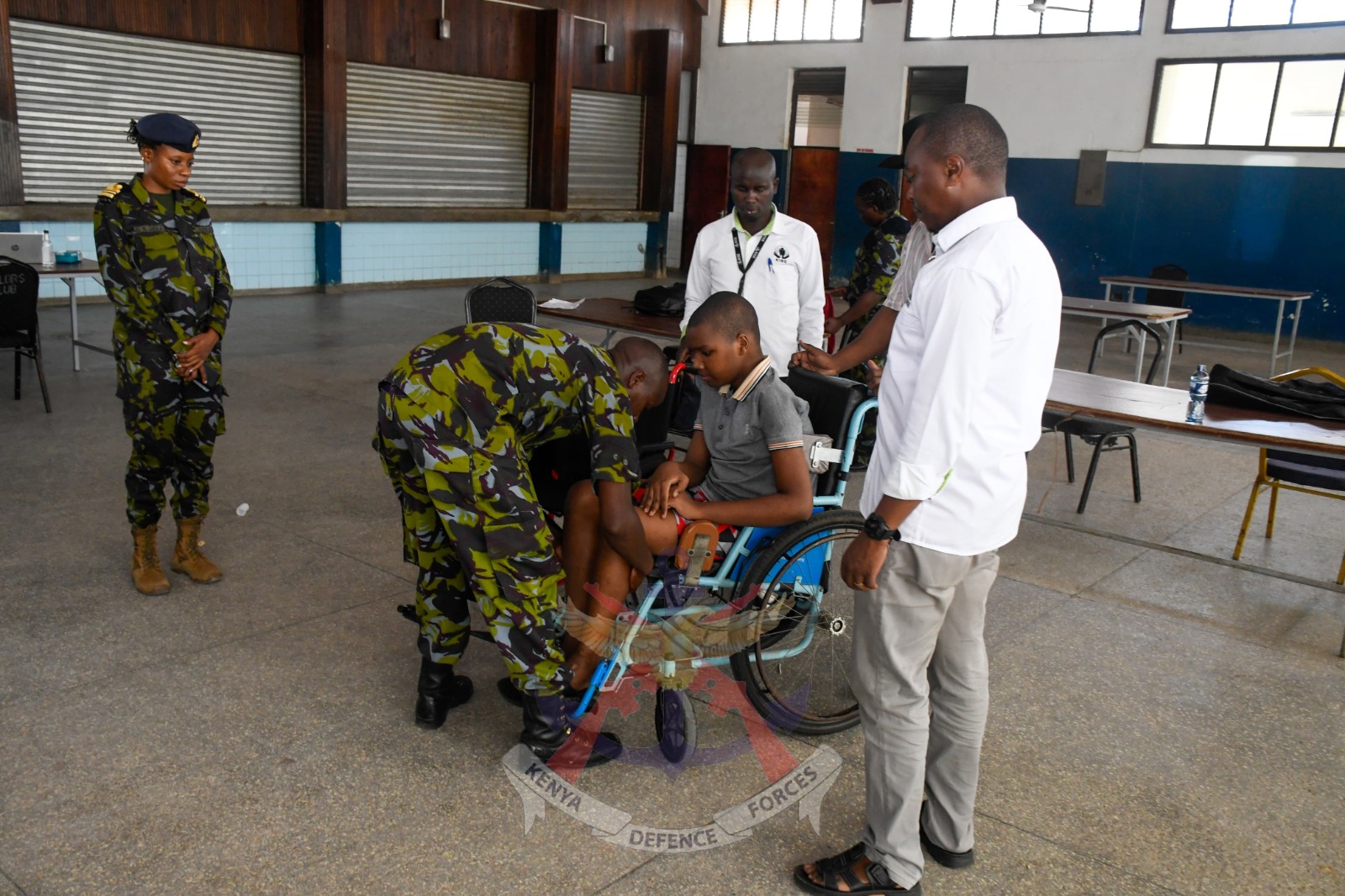
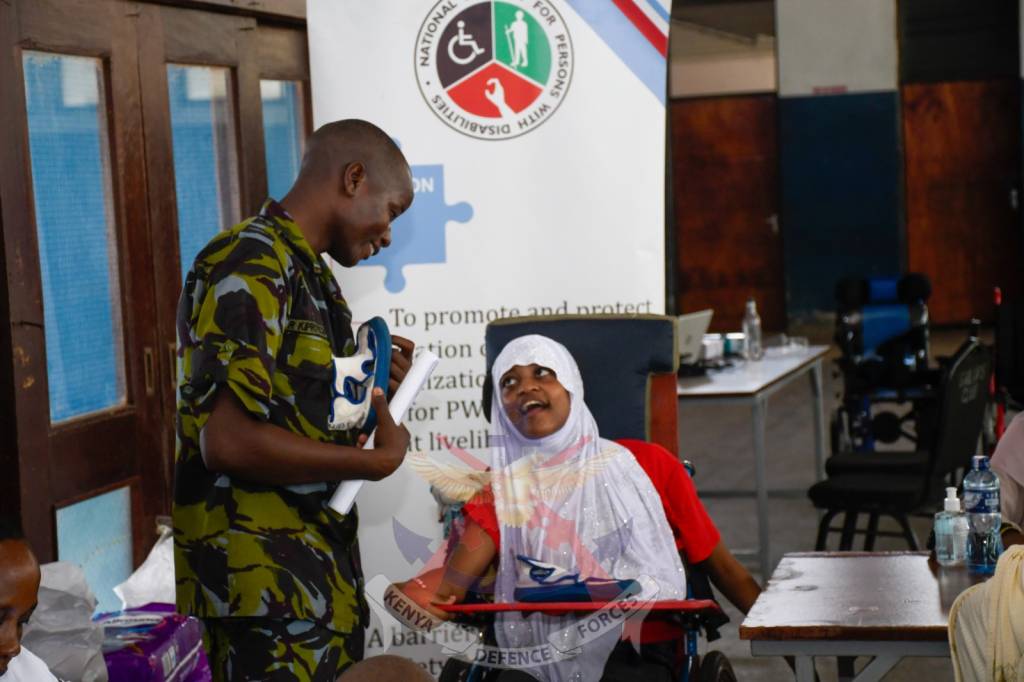
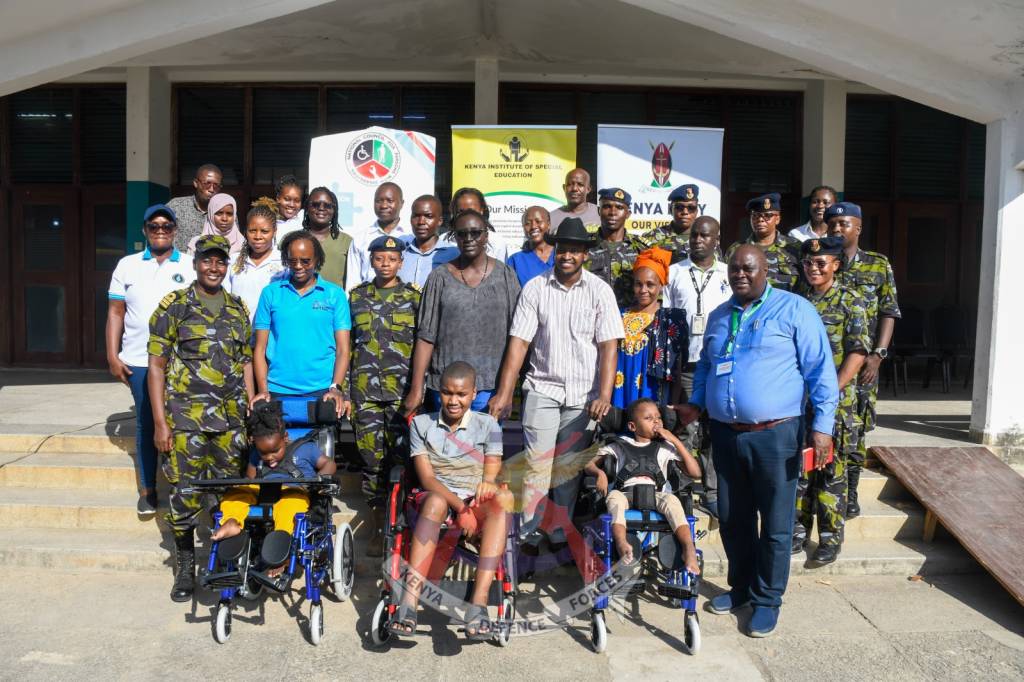
The Military Wives Association of Kenya (MWAK), in partnership with the Kenya Institute of Special Education (KISE) and the National Council for Persons with Disabilities (NCPWD), on 19th May 2026 conducted a comprehensive assessment outreach programme for children with disabilities at Kenya Navy Base Mtongwe and Mtongwe Comprehensive Primary School.
The initiative underscored a shared commitment to enhancing the welfare of military families and neighbouring communities by improving access to specialised educational and healthcare support for children with disabilities.
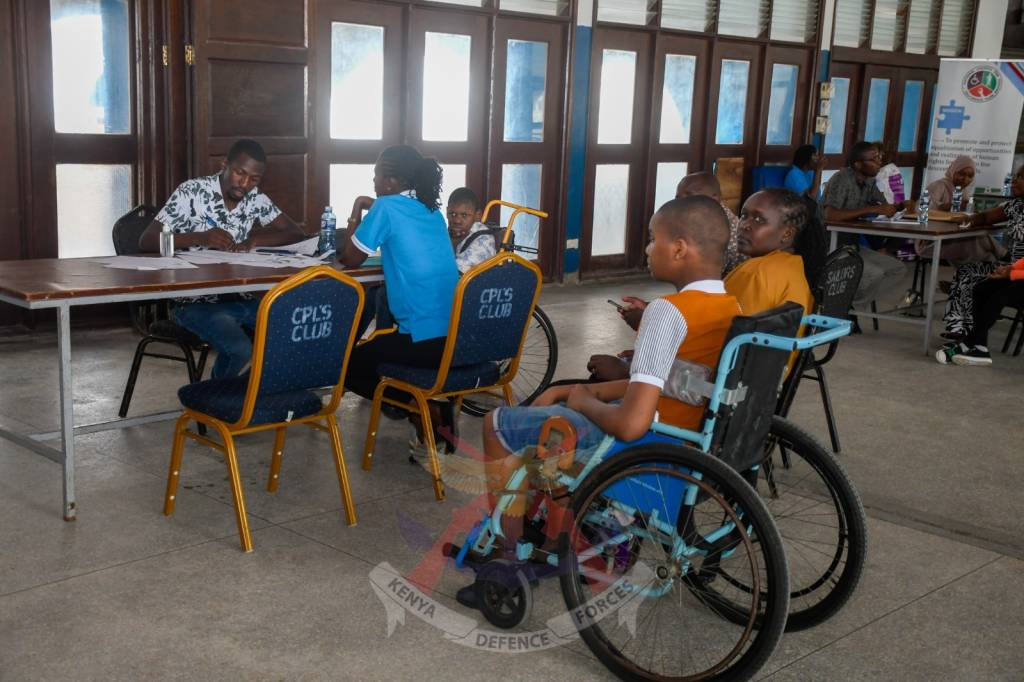
Bringing together caregivers, parents, children, and multidisciplinary specialists, the outreach created an integrated support platform focused on addressing the unique developmental, educational, and medical needs of children requiring specialised care. Through collaborative assessments and direct engagement with families, the programme sought to identify individual challenges and recommend appropriate interventions tailored to each child’s circumstances.
Specialists conducted comprehensive evaluations to determine learning needs, health requirements, and functional limitations, enabling the development of suitable educational support pathways and intervention strategies. The assessments also offered families a clearer understanding of the available support systems and practical steps for improving care outcomes.
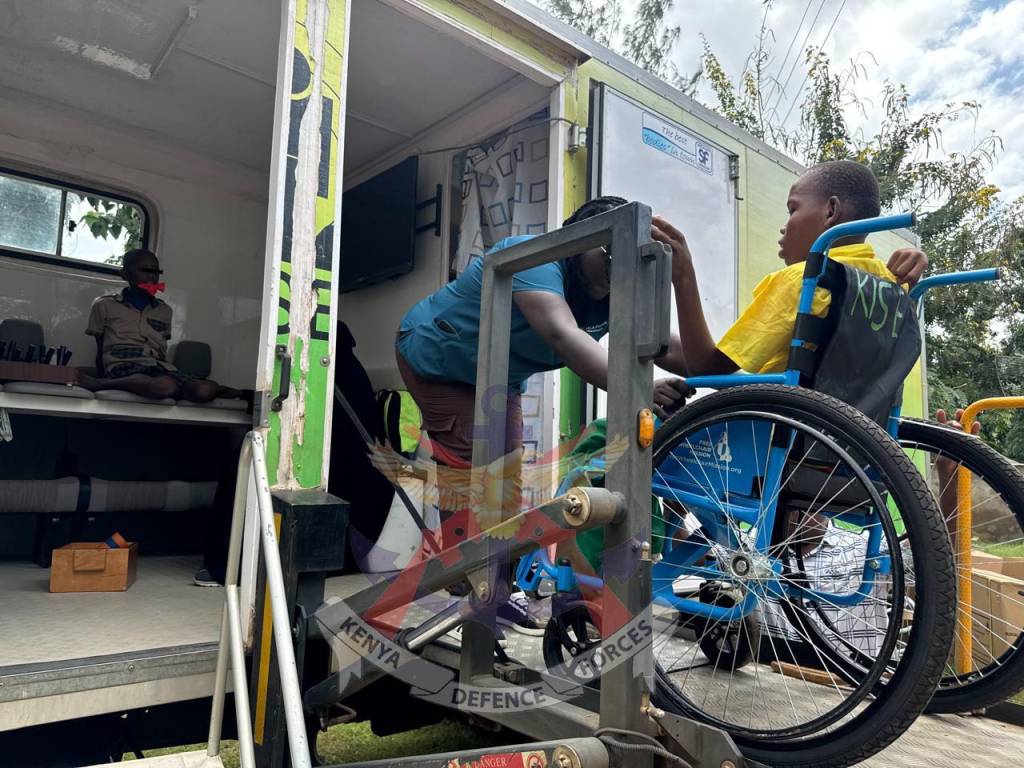
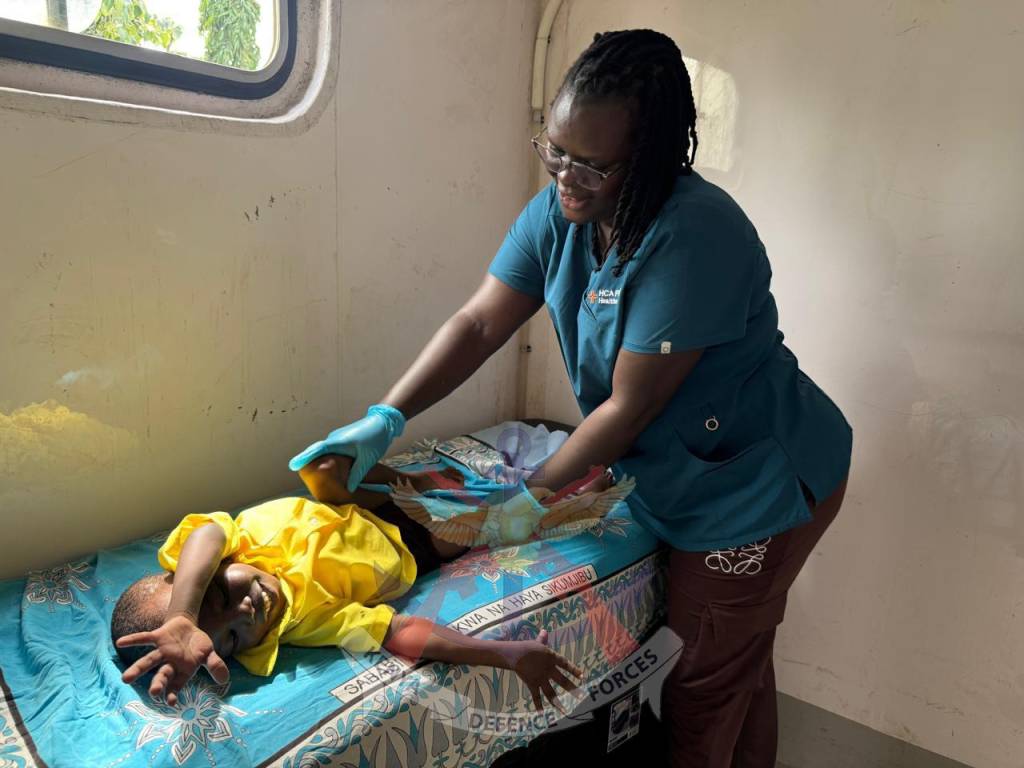
A broad range of essential services was delivered during the outreach, including physiotherapy, occupational therapy, speech therapy, functional assessments, and the provision of assistive devices. These services not only addressed immediate needs but also reinforced the importance of early intervention in improving developmental outcomes and long-term independence.
Equally significant was the programme’s focus on caregiver empowerment. Parents and caregivers received professional guidance on effective strategies for supporting children with disabilities both at home and within school environments, helping to strengthen family capacity in managing daily challenges and advocating for their children’s needs.
Beyond service delivery, the initiative served as an important advocacy platform for promoting disability awareness, inclusive education, and equitable access to healthcare. By bringing specialised services closer to families, the outreach helped bridge longstanding gaps in access while fostering a more supportive and informed community environment.
Families who participated expressed appreciation for the initiative, acknowledging its meaningful impact in addressing barriers to specialised care and educational support.
The collaboration between MWAK, KISE, and NCPWD reflects a growing recognition that supporting children with disabilities requires a coordinated, compassionate, and inclusive approach—one that empowers families, strengthens communities, and ensures that no child is left behind.
Add Comment