
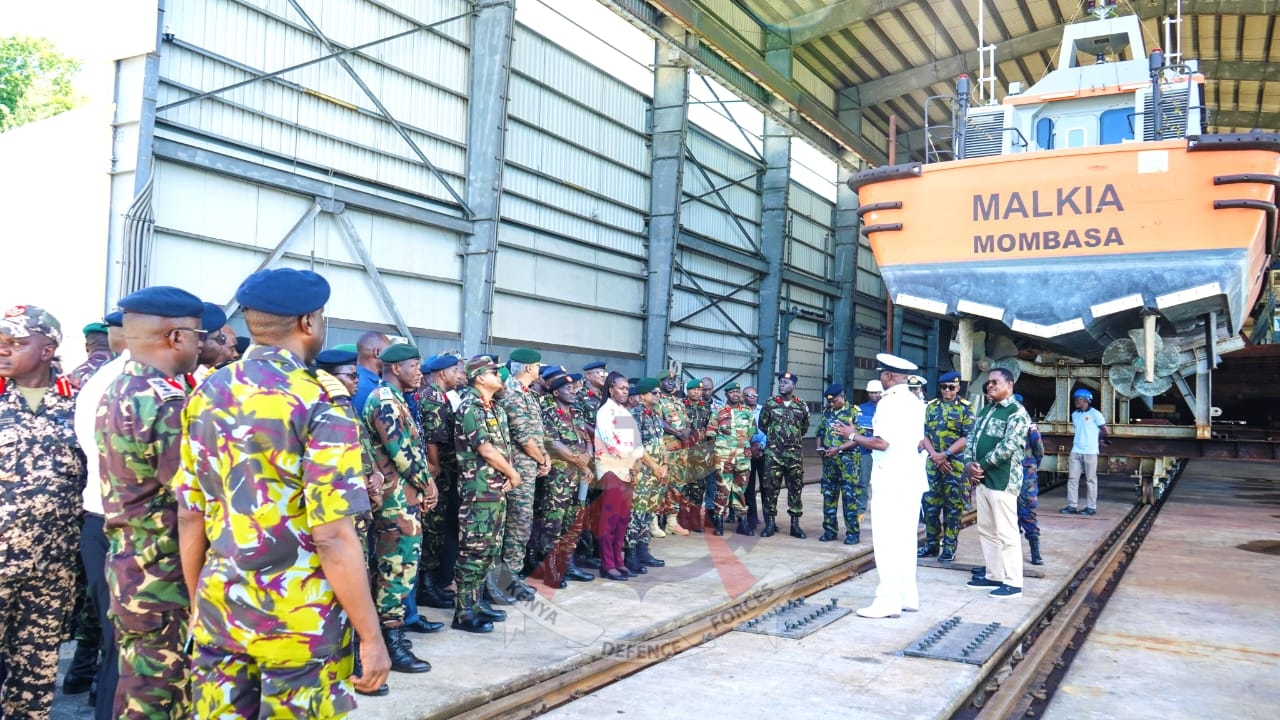
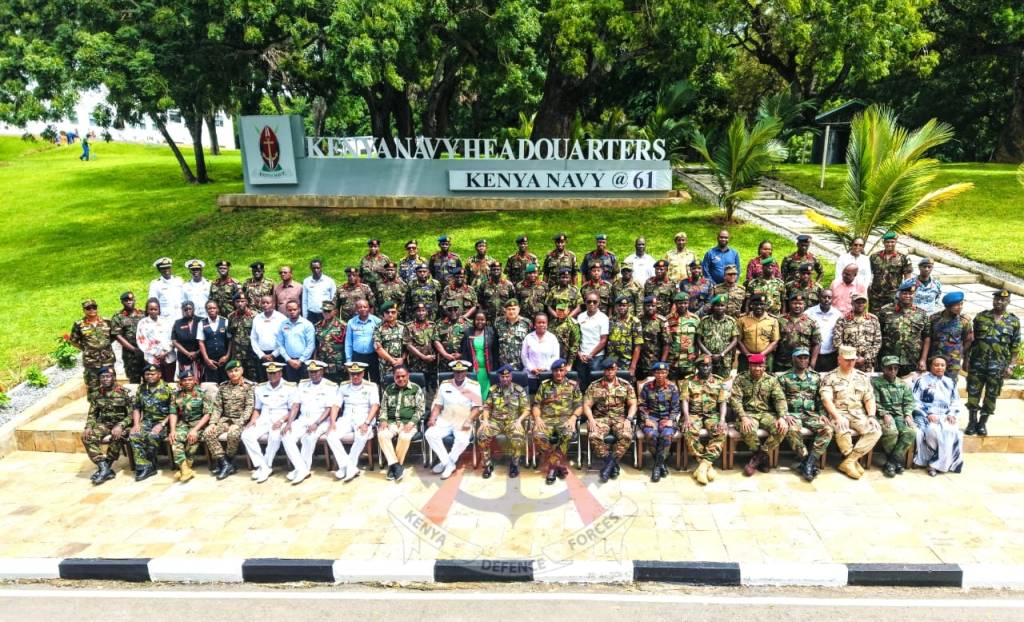
As global security dynamics increasingly include the maritime domain, strategic leaders are being called upon to better understand the critical link between maritime security, economic resilience and regional stability. In recognition of this evolving reality, staff and students from National Defence College undertook a familiarization visit to Kenya Navy Base Mtongwe in Mombasa County, reinforcing the importance of maritime awareness in contemporary strategic leadership.
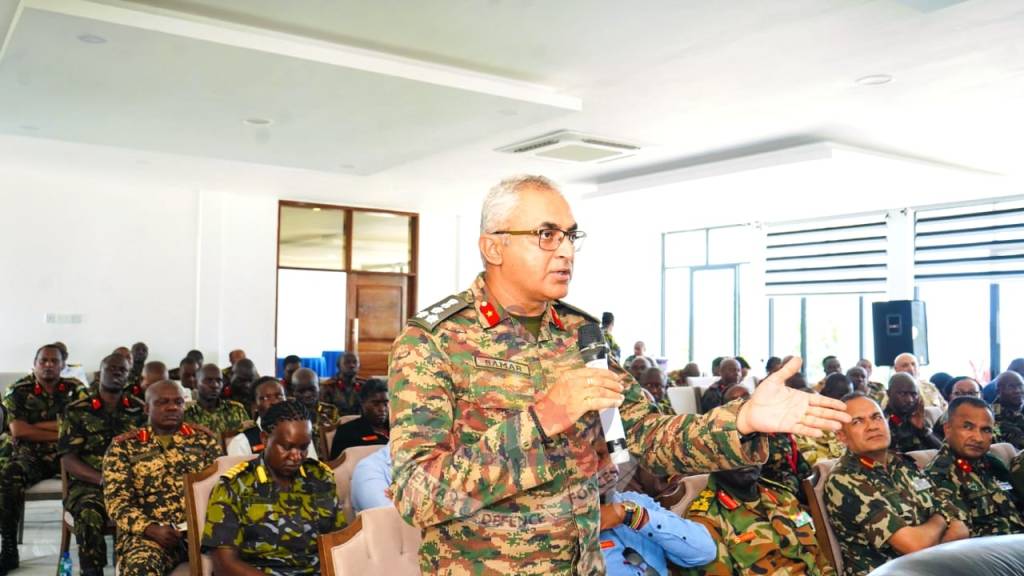
The visit formed part of the College’s continuous professional studies programme, which exposes participants to key national security institutions and operational environments that shape Kenya’s strategic posture. Led by Major General Yahya Abdi, the delegation engaged with naval leadership, training institutions and maritime industry stakeholders to deepen their understanding of the operational and strategic significance of Kenya’s maritime space.
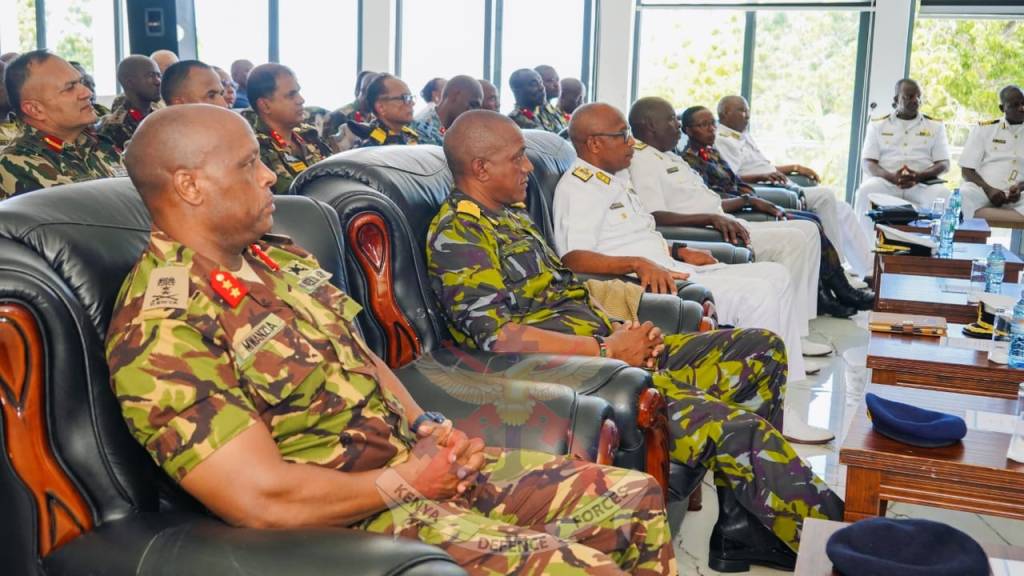
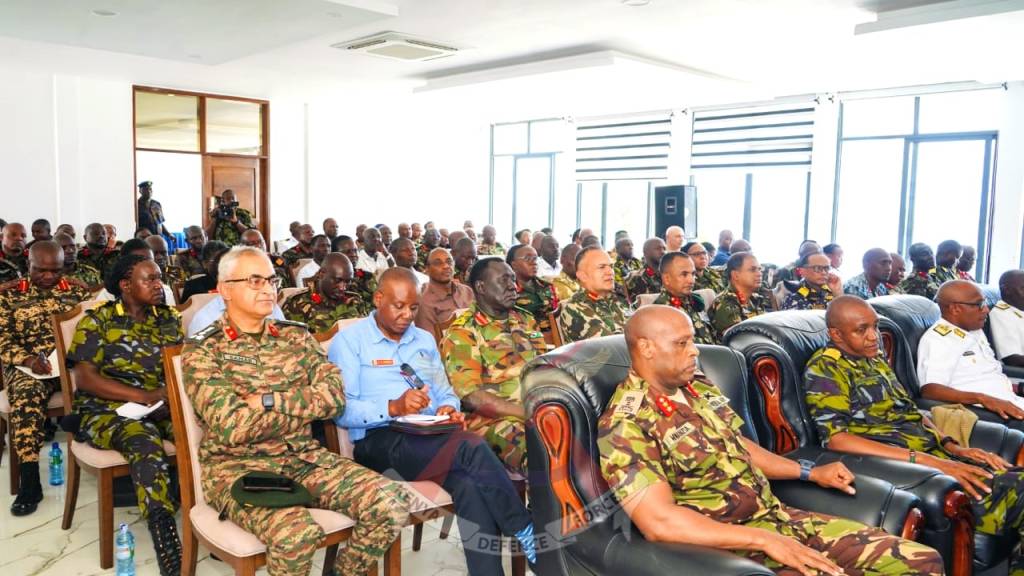
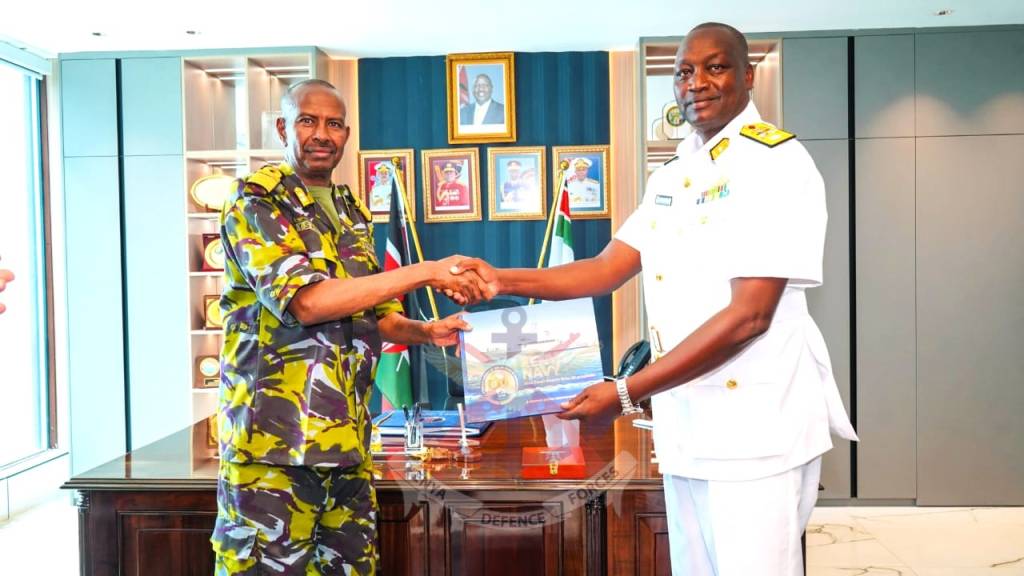
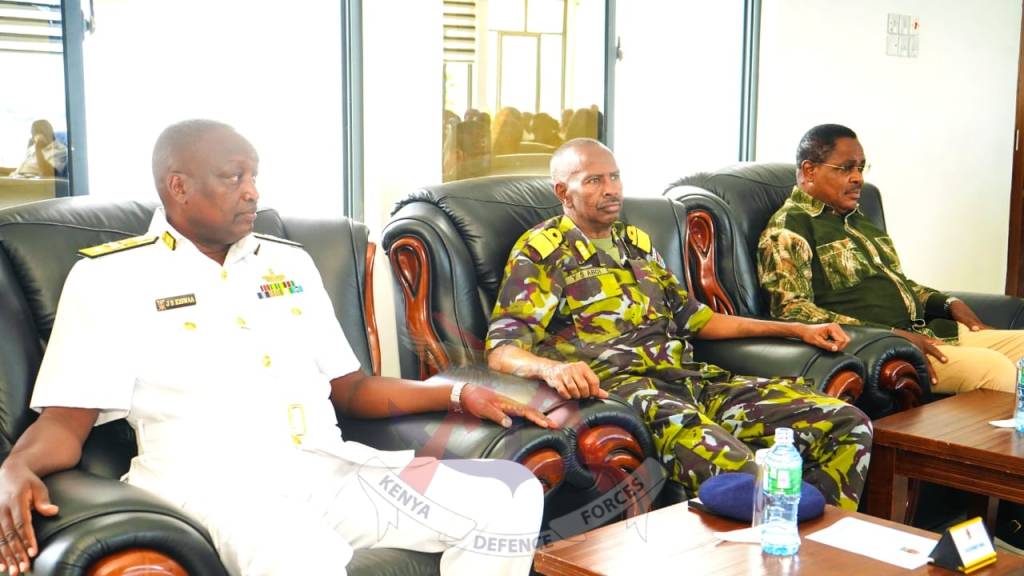
Upon arrival at Kenya Navy Headquarters, the delegation was received by the Deputy Commander Kenya Navy, Brigadier Sankale Kiswaa, who emphasized the central role maritime security plays in safeguarding Kenya’s territorial integrity, protecting maritime trade routes and enabling sustainable economic growth. He noted that the maritime domain continues to serve as a strategic frontier where security, commerce and diplomacy converge, particularly within the increasingly significant Western Indian Ocean region.
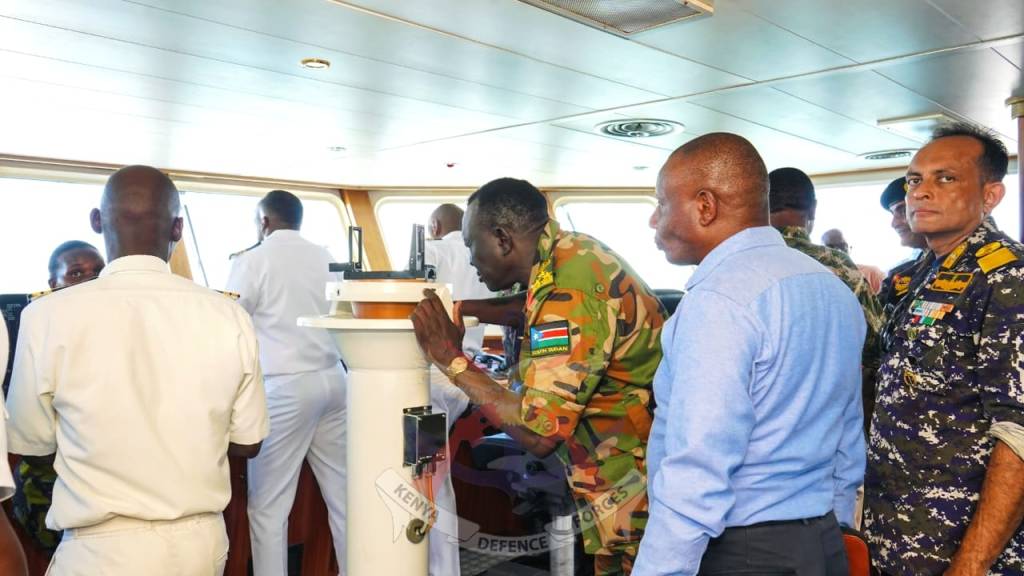
The visit provided participants with practical insight into how the Kenya Navy develops maritime capability and readiness. At the Kenya Naval Training College, the delegation toured advanced instructional facilities, including the institution’s Full Mission Bridge Simulator, which plays a key role in preparing officers and sailors for modern navigation and operational challenges. The participants also received briefings on navigational systems, maritime operational procedures and multi-agency coordination mechanisms that support maritime safety and security.
The engagement further highlighted the growing importance of technology-driven training in building agile and adaptive maritime forces capable of responding to emerging threats such as piracy, illegal fishing, smuggling and transnational organized crime. By exposing future strategic leaders to these operational realities, the programme reinforced the value of informed decision-making in national security planning.
As part of the broader maritime exposure, the delegation visited Kenya Shipyards Limited, where participants were briefed on the shipyard’s operational capabilities, vessel maintenance programmes and its contribution to strengthening Kenya’s maritime industrial base. The visit demonstrated how local shipbuilding and maintenance capacity are increasingly becoming strategic assets in supporting national security, economic self-reliance and the sustainable development of the blue economy.
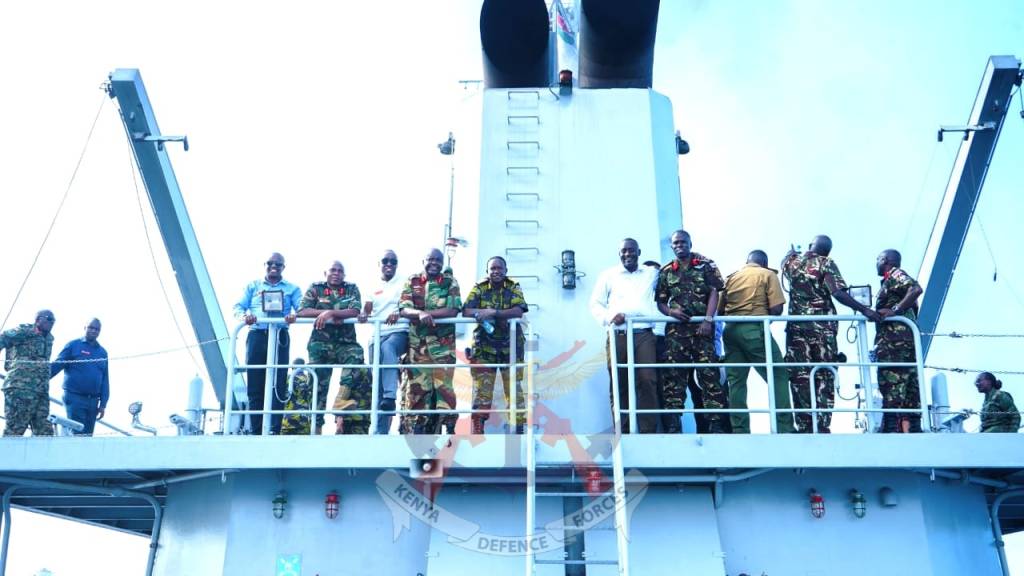
The experiential learning programme culminated in a sea deployment aboard KNS JASIRI, allowing the delegation to gain first-hand exposure to naval operations and maritime patrol activities. The experience offered participants a deeper appreciation of the operational demands faced by naval personnel and the critical role the Kenya Navy plays in securing Kenya’s maritime interests and maintaining stability across the Western Indian Ocean.
The familiarization visit underscored the growing recognition that maritime security is no longer a peripheral concern but a core pillar of strategic leadership and national development. By integrating operational exposure into professional military education, the National Defence College continues to cultivate leaders equipped with the knowledge, perspective and strategic awareness required to address evolving security challenges in an increasingly interconnected maritime environment.

Add Comment