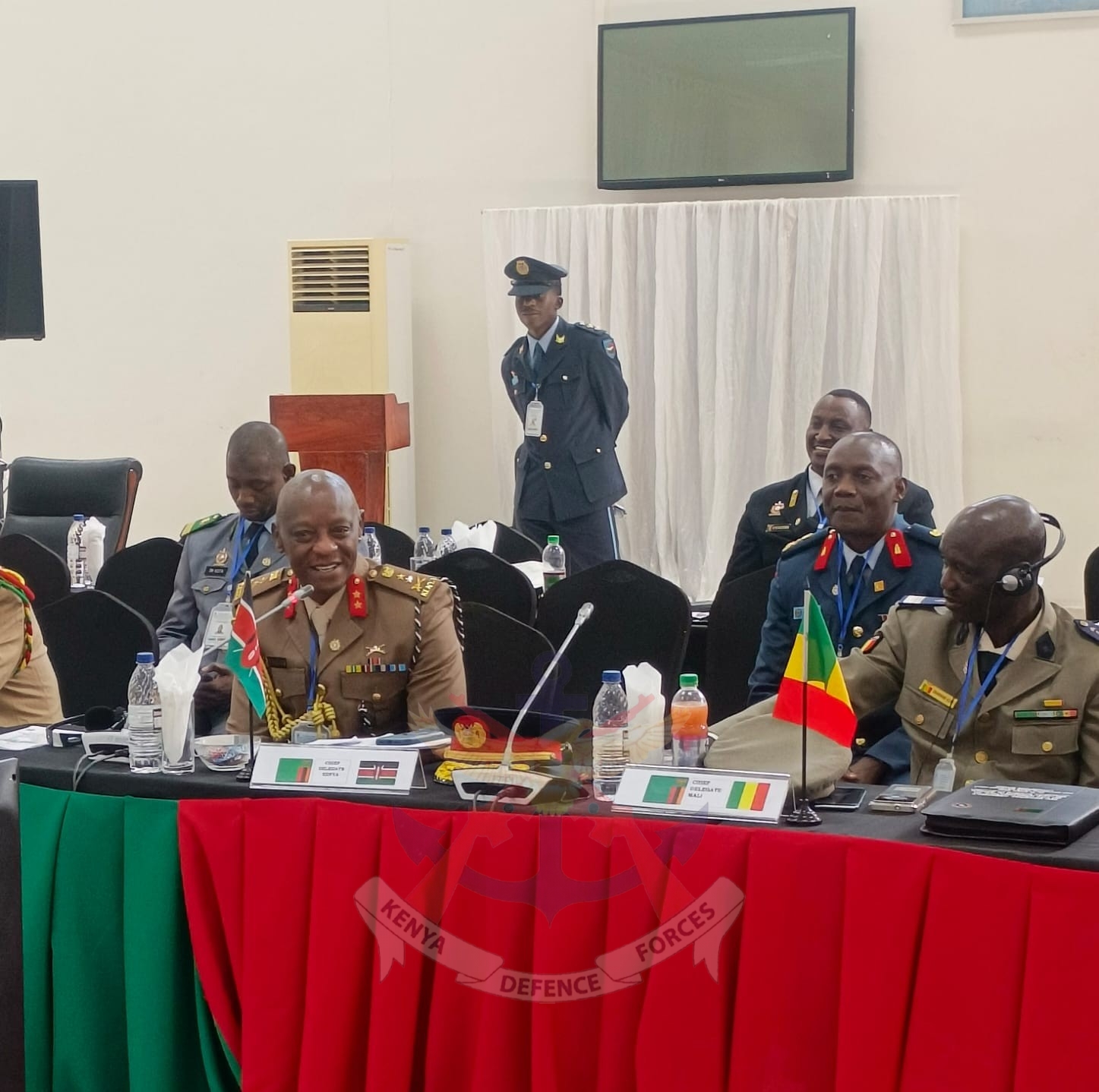
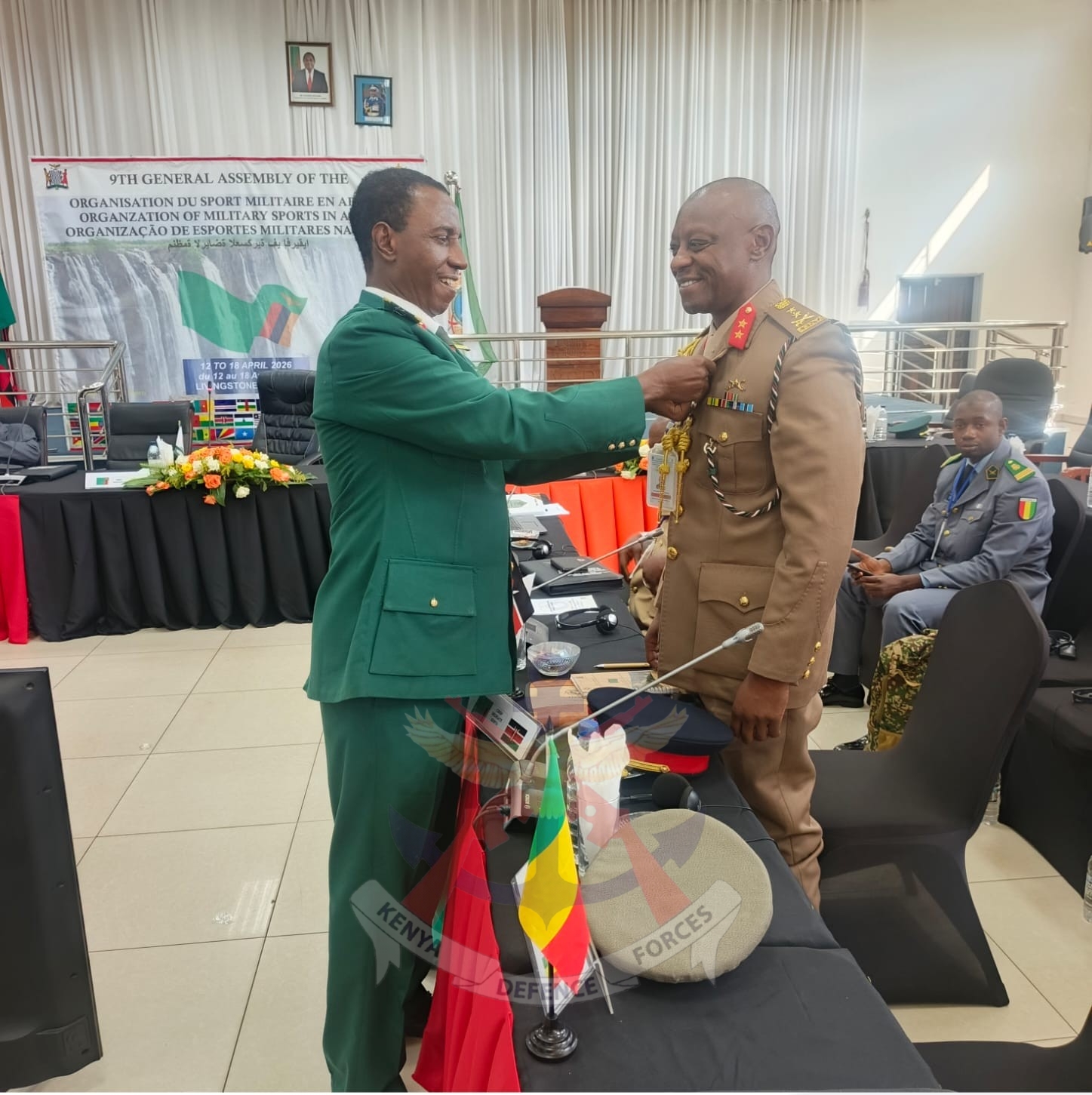
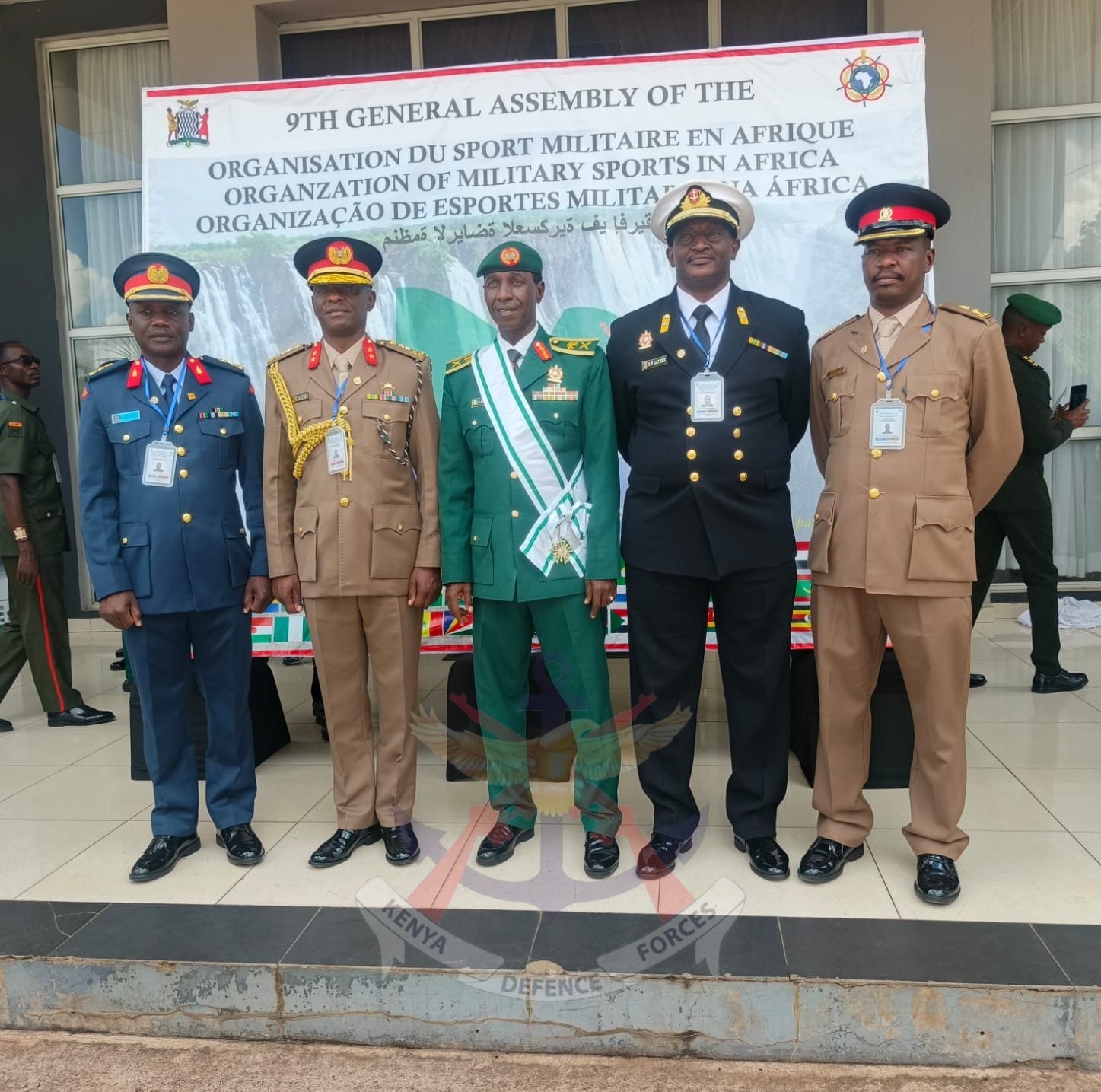
The Kenya Defence Forces (KDF) has reinforced its role as a unifying force across the continent, leveraging military sports as a strategic tool for diplomacy and cooperation. This was evident during the 9th General Assembly of the Organisation of Military Sports in Africa (OSMA) held in Livingstone, Zambia, where participation from twenty-two African nations underscored the growing significance of sports in fostering continental cohesion.
OSMA is the continental body that represents the International Military Sports Council (Conseil International du Sport Militaire – CISM) in Africa. CISM is one of the world’s largest multidisciplinary organizations, boasting 140 member nations. Founded in 1948, its primary mission is to promote physical activity and foster peace among armed forces worldwide through sport. The fundamental aim of OSMA is to promote sporting activities and physical education between armed forces as a means to foster African peace and solidarity.
At the heart of the 9th General Assembly was a shared recognition that sports within military frameworks transcends rivalry, evolving into a platform for dialogue, trust-building, and collective decision-making. Through such engagements, defence forces are able to strengthen ties while advancing shared peace and security objectives.
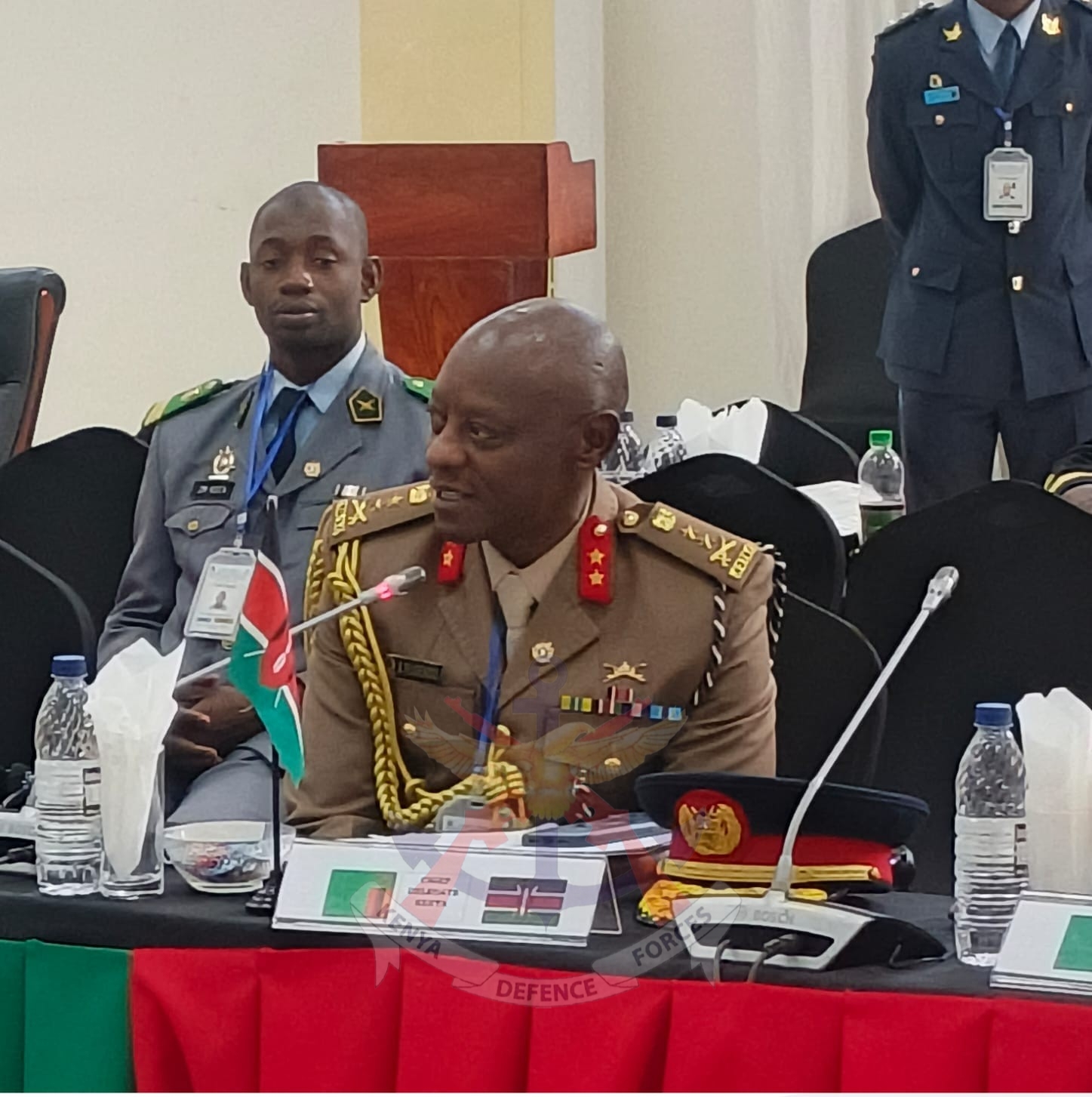
Leading the Kenyan delegation was Maj Gen Edward Rugendo, Assistant Chief of the Defence Forces and Chairperson of the Defence Forces Sports Control Board. He emphasized the integration of structured physical programmes into broader strategic policies, noting that harmonised sporting initiatives can significantly enhance professional relationships among African militaries.
Deliberations during the assembly highlighted the direct link between structured recreation and improved troop discipline, operational readiness, and interoperability. By aligning sporting activities with military objectives, member states are cultivating mutual understanding and cohesion among their forces—an approach that ultimately strengthens regional security architecture.
KDF’s participation also reflects a sustained commitment to enhancing troop morale and institutional preparedness. The insights drawn from the assembly are expected to inform ongoing reforms within KDF sports structures, while deepening collaboration with international partners. Such exchanges provide valuable opportunities for sharing technical expertise and best practices, ensuring that personnel remain agile and mission-ready.
Ultimately, the Livingstone assembly reaffirmed the pivotal role of the International Military Sports Council in advancing friendship through sport. By prioritising collaboration over competition, African nations continue to build a culture rooted in partnership and shared purpose. In this evolving landscape, the KDF stands out as a key driver of cohesion, using military sports as a bridge toward a more integrated and resilient continent.
Add Comment